Fort Vancouver National Historic Site preserves the Hudson’s Bay Company trading post that gave Vancouver, Washington its start. Give yourself a relaxed afternoon to explore the reconstructed buildings, exhibits, and river grounds, and check the official site before you go.
What Made Fort Vancouver So Important?
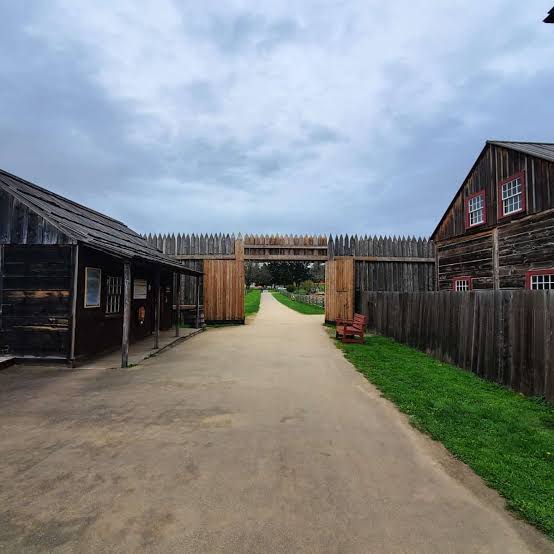 Fort Vancouver served as the main base of the Hudson’s Bay Company’s Columbia Department from 1825 until the company moved its headquarters north in 1849. From here, traders, farmers, and workers supplied posts across the Pacific Northwest. The site is now managed by the National Park Service, which keeps the story of its many cultures alive.
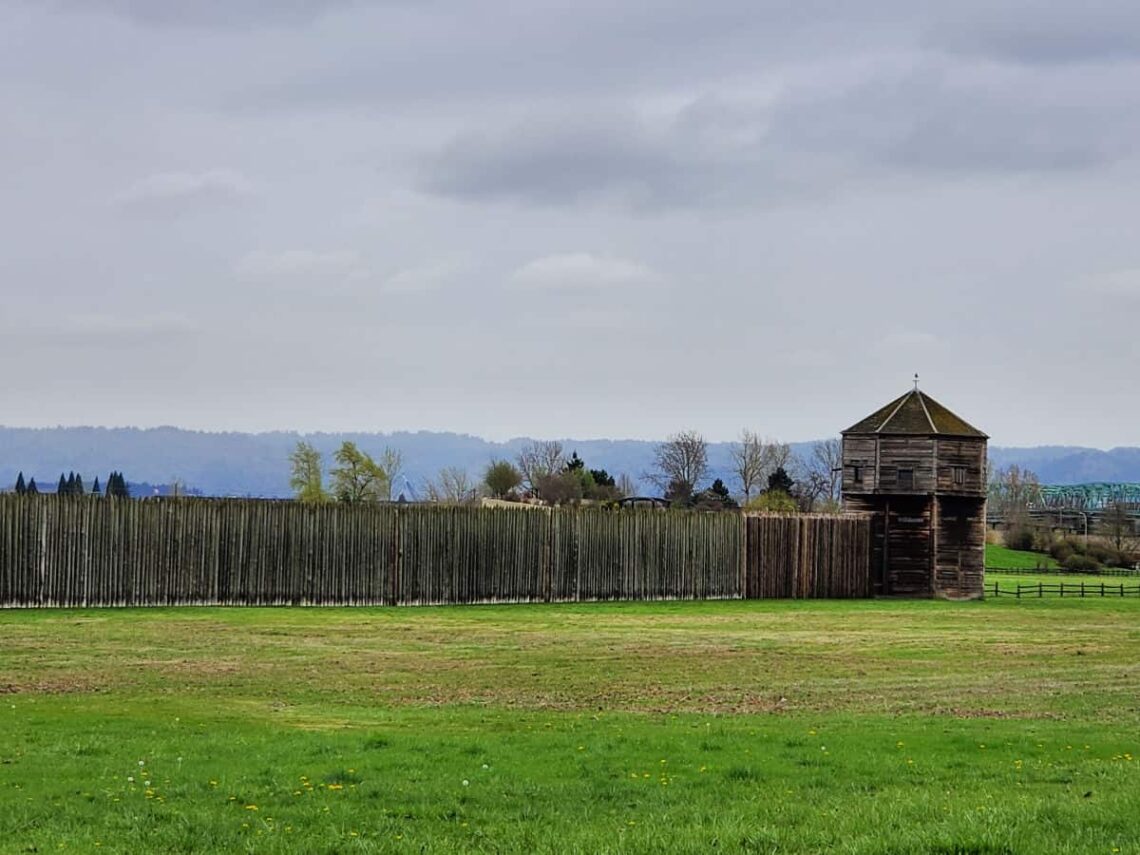
Visitors often expect a single restored building, but the site is a collection of reconstructed structures, archaeological digs, and interpretive trails. The reconstructed stockade and several buildings show what the post looked like during the fur trade era. Staff and volunteers explain how the site functioned, from workshops to farm fields that fed the community. Plan to spend at least two hours if you want to see the main areas.
How Do You Get There?
Fort Vancouver sits in east Vancouver, close to downtown and a short drive from Interstate 5. Most visitors arrive by car. Because hours, fees, and parking rules can change, check the official National Park Service website or call the visitor center before you go. Plan a little extra time on weekends, when parking can fill up.
Bring water, sun protection, and layers, since the open grounds offer little shade in summer. The Columbia can be windy, so a light jacket helps even on warm days. Accessibility matters here, and many paths are paved, but some historic buildings may have steps or narrow doorways. Ask staff about accessible routes and mobility aids when you arrive.
What Should You See Inside the Park?
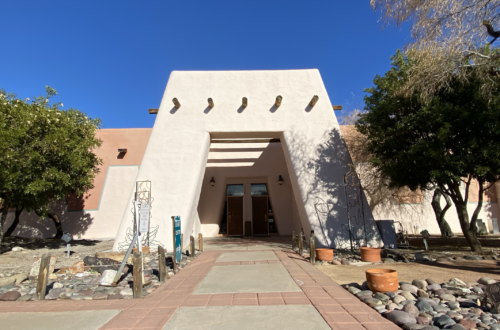
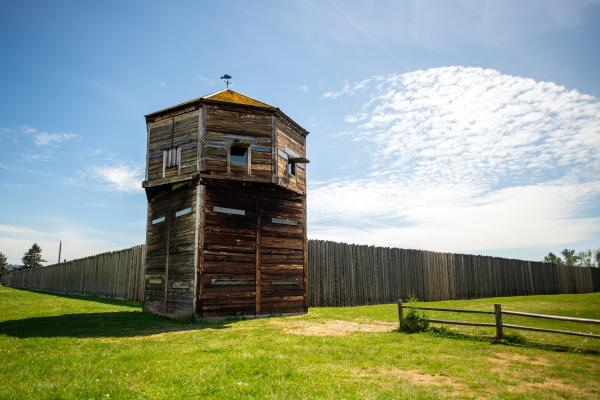 The reconstructed fort stockade and its buildings draw most visitors, and they show daily life during the fur trade era. The grounds also include interpretive areas about the Chinookan people who lived along the river long before the fort existed. Start at the visitor center, where exhibits help you understand the site before you walk the grounds.
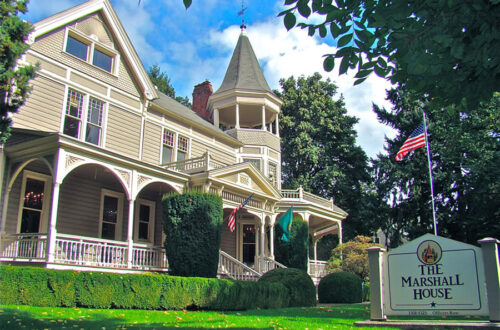
Officers Row, the line of historic army homes near Vancouver Barracks, is a short drive away and makes a natural second stop. Many visitors also pause on the riverside grounds to watch boats and birds on the Columbia. Pack a snack for the walk.
How Long Should Your Visit Take?
Most visitors need about two to three hours to see the main grounds and visitor center exhibits at a relaxed pace. Families with young children or history fans may want more time. Check the official National Park Service page for the current schedule, since hours can shift with the seasons and holidays.
The best time to visit is usually late spring through early fall, when weather is mild and more outdoor areas are open. Winter visits are quieter, but rain is common in the Pacific Northwest, so dress for wet conditions. Weekday mornings tend to be less crowded than weekend afternoons.
Which Nearby Attractions Pair Well With a Visit?
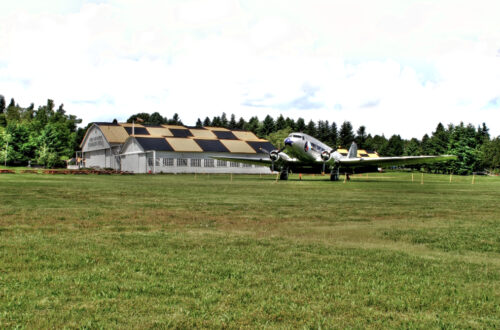
Officers Row, the Pearson Air Museum, and downtown’s waterfront all sit within a short drive of the fort. Grouping them into one outing saves time and gas. Confirm hours for each stop, since many local attractions keep different schedules and some close on certain days.
If you enjoy photography, the fort grounds offer wide river views and open skies. Late afternoon light is warm and flattering for the reconstructed buildings. Bring a camera with a wide lens, and respect posted signs about entering interiors and staying on marked paths.
How Can You Plan a Smooth Visit?
A few simple steps make a Fort Vancouver visit easier. Check the official National Park Service site for current hours, closures, and events. Then dress for the weather, bring water, and plan your route before you leave home. Ask about ranger-led tours when you arrive, since schedules change.
Frequently Asked Questions
Do I need to pay to enter the park?
Fees and passes can change, so check the official National Park Service website before you go. Many national park units offer free entry on certain days, but confirm whether that applies here. Some tours or special programs may carry separate charges. Calling the visitor center is the quickest way to get current information.
Can I go inside the reconstructed buildings?
Some buildings are open for interior visits, while others are viewed from outside. Access can depend on staffing, season, and preservation needs. Rangers can tell you which buildings are open that day and whether any require stairs. Ask at the visitor center when you arrive for the latest details.
How much time should I plan with kids?
Plan for about two hours with young children, and expect shorter attention spans around the reconstructed buildings. Let kids explore the open grounds and river path between exhibits. Pack snacks, water, and a stroller if needed. Early visits on weekdays often feel calmer and give everyone more room to move.