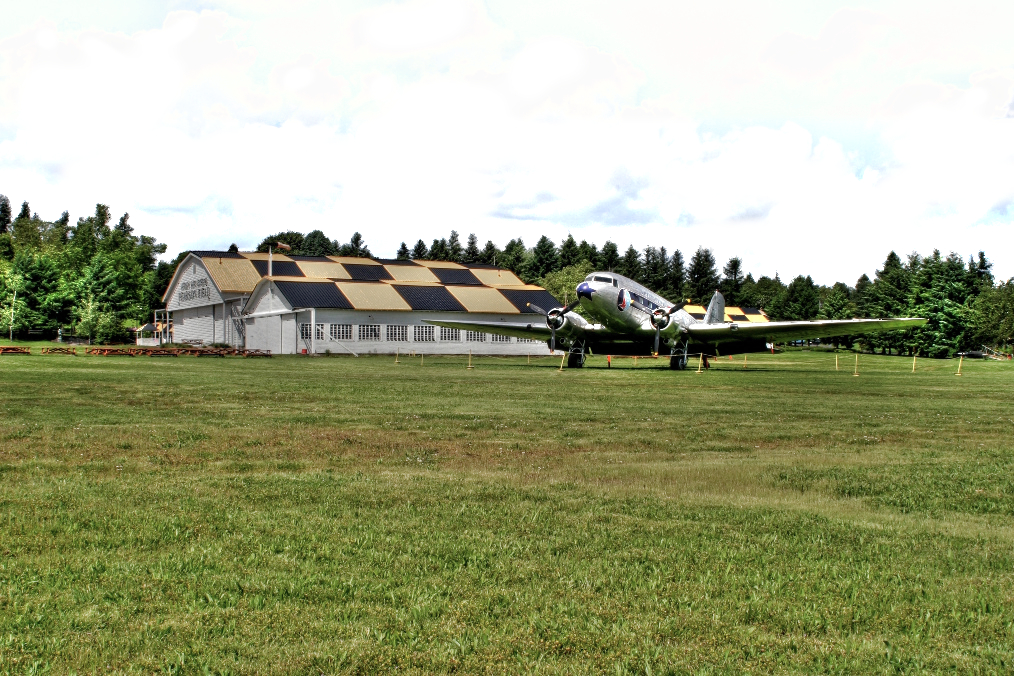
Pearson Air Museum sits beside one of the oldest airfields in the United States, a site tied to early military aviation in the Pacific Northwest. Expect historic aircraft, displays on early flight, and a clear story of how the field shaped local history. Check the museum’s current hours before you visit, since they can change.
How Did Pearson Field Begin?
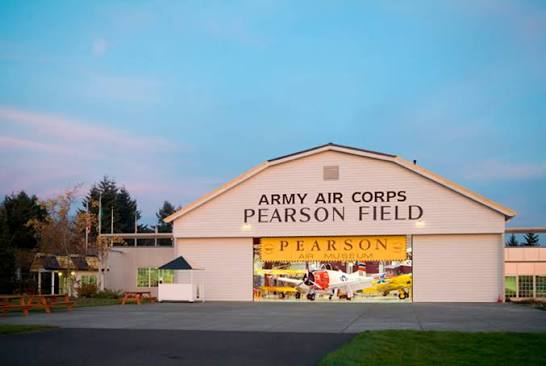
Pearson Field traces its roots to 1905, when the U.S. Army set up an airfield beside Vancouver Barracks. The field was named for Lieutenant Alexander Pearson, an early Army aviator. Its long history makes it one of the oldest airfields still in use in the United States.
Army pilots used the field to train and test aircraft during the early years of flight. Over time, the airfield’s role shifted, with civilian and general aviation growing alongside military use. Local visitors can still see how the field connects the early military era with modern aviation.
What Can You See Inside the Museum?
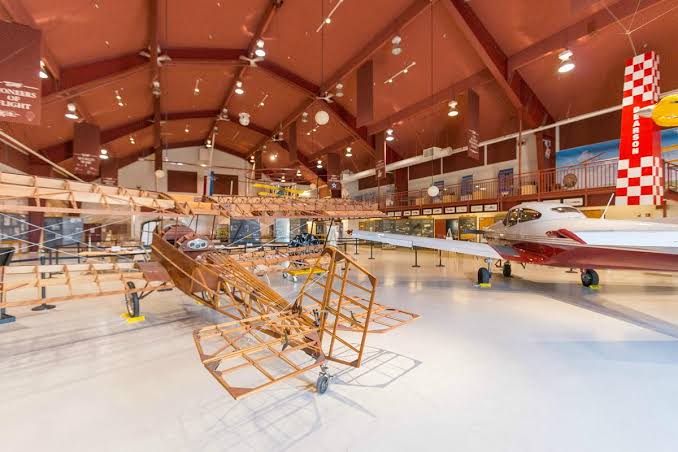
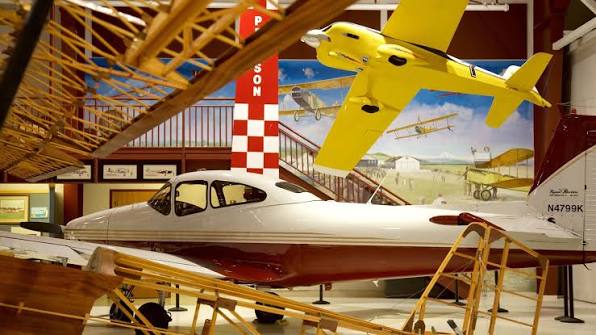
The museum focuses on aircraft and aviation history, with displays that cover early flight and the people who flew and maintained planes. Exhibits typically include photographs, artifacts, and aircraft on display. Plan on about an hour, though aviation fans often stay longer.
Look for the stories behind the objects. Many exhibits explain how pilots trained and how the airfield supported the community. Read the placards slowly, since they often contain details you won’t find online.
If the weather turns, the indoor spaces offer shelter while you learn. Pick the displays that match your interests, and spend extra time there rather than rushing.
How Do You Get to Pearson Air Museum?
 The museum sits on the east side of Vancouver, near Fort Vancouver National Historic Site and a short drive from Interstate 5. Most visitors arrive by car. Confirm parking and entry details by calling ahead, since access can change when the airfield is busy.
The airfield is an active facility, so watch for signs and follow staff directions. Keep clear of runways, taxiways, and any roped-off areas. Stay close to children near the flight line, and don’t climb on aircraft unless staff invite you to do so.
Is It Good for Families and Accessible Visitors?
Families often enjoy the museum because aircraft and large displays hold young visitors’ attention. Accessibility depends on the building layout and exhibit spacing, so ask ahead about ramps, restrooms, and wheelchair access. Staff can usually describe the route and any areas that may require assistance.
Bring snacks and water for children, and plan a break outdoors if the day is warm. Compact strollers usually work better than large ones in tight exhibit spaces. Remind little ones to keep hands off display cases and aircraft surfaces.
What Else Is Nearby for a Full Day Out?
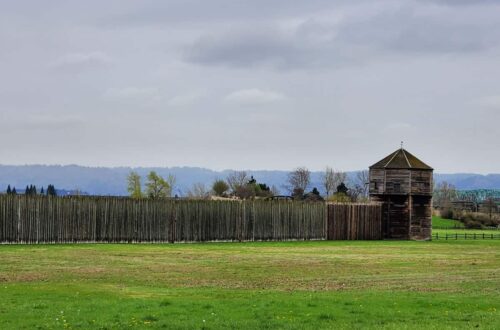
Fort Vancouver National Historic Site is the most natural partner for a visit, since it tells the fur trade story that came before the airfield. Officers Row and downtown Vancouver are also within a short drive. Combine stops by area to keep travel time short.
Planes often fly overhead near the field, which many visitors find memorable. Check the schedule for special events, since busy days can draw bigger crowds. Pack a lunch if you plan a full afternoon, since you’ll want a break between stops.
How Can You Make the Most of Your Visit?
Choose a dry, mild day if you plan to spend time outdoors near the airfield. Wear comfortable closed shoes for any walking, and dress in layers, since open areas can feel windy. Bring a camera for the aircraft, but ask staff about photography rules before you start shooting inside.
Plan a visit in the morning if you want quieter galleries, and check whether the museum offers guided tours or talks. Staff and volunteers often share stories that aren’t printed on the signs. Ask questions, since local knowledge adds depth to every display.
Frequently Asked Questions
Do I need to buy tickets in advance?
Admission rules can change, so confirm current prices and ticket options before you visit. Many small museums rely on visitor support, so a donation or small purchase may help keep exhibits open. Calling ahead is the quickest way to learn whether you need a reservation for your date.
Can children touch the aircraft?
Touching rules depend on the specific display and the day’s staffing. Some exhibits may invite gentle interaction, while others are roped off to protect them. Follow posted signs and listen to staff, who can explain what’s safe for kids. Good manners keep history intact for the next group of visitors.
How long should I plan to stay?
Plan on one to two hours inside, depending on interest and whether you step outside to view the airfield. Aviation enthusiasts may stay longer, especially if a guided talk is scheduled. Build in extra time for parking and a short walk to nearby attractions.