Vancouver, Washington grew out of Fort Vancouver, the Hudson’s Bay Company’s major trading post on the Columbia River, founded in 1825. The company’s fur trade network, its farms, and its leaders shaped the early settlement that became the city. Understanding that company history explains why the town sits where it does.
What Was the Hudson’s Bay Company?
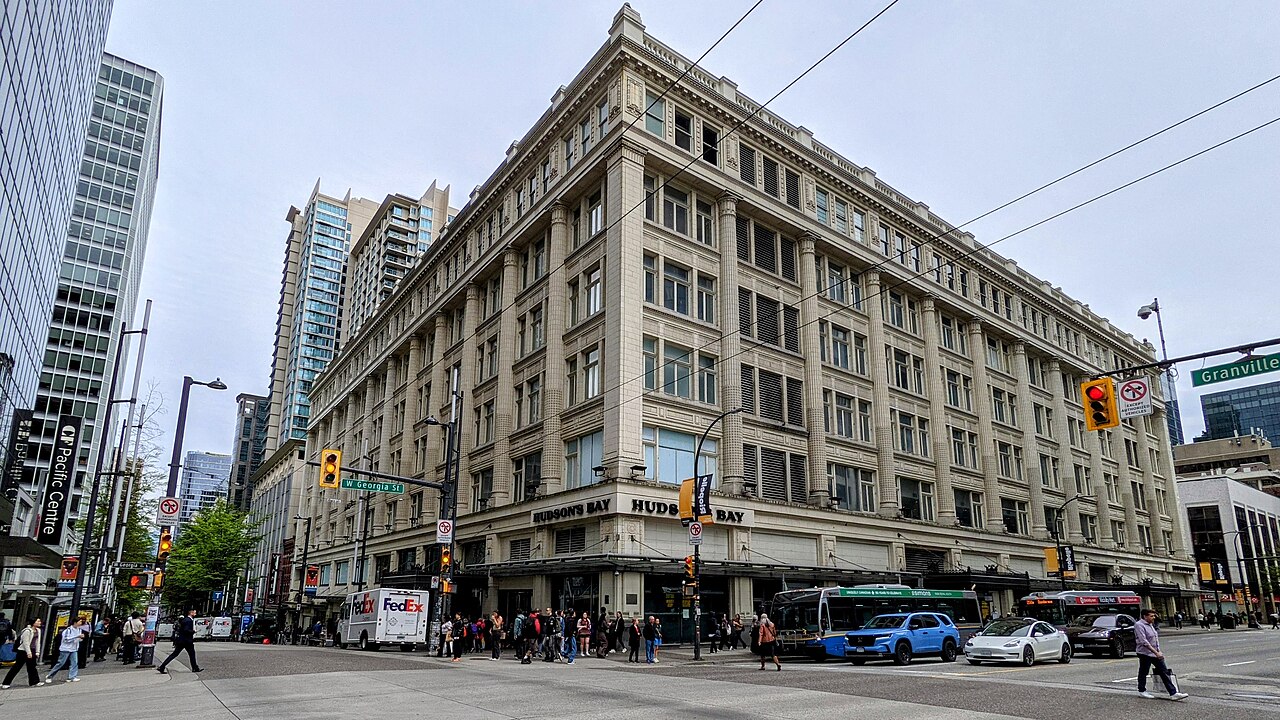 The Hudson’s Bay Company is one of the oldest trading companies in North America. King Charles II granted it a royal charter in 1670, giving it control of trade across a vast region of North America. Its traders built a network of posts that stretched across much of what is now Canada and the northwestern United States.
The company’s business centered on fur, especially beaver pelts used to make hats and clothing. Its agents traded with Indigenous nations for pelts, goods, and food. Those relationships were central to the company’s success, and they shaped the region’s history in lasting ways.
The company’s charter and trade network gave it wide influence, but its success depended on partnerships and logistics as much as on force.
Why Was Fort Vancouver Built?
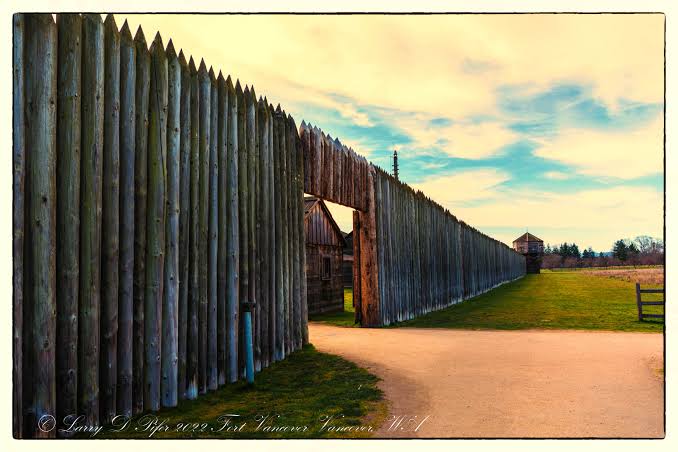
Fort Vancouver was established in 1825 as the Hudson’s Bay Company’s regional headquarters for the Columbia Department. The Columbia River offered a central route for moving goods, furs, and supplies. Its location let the company manage trade across a large territory from a single base.
Dr. John McLoughlin led the post as chief factor for many years. He oversaw farming, trade, and relations with local peoples, and he shaped the fort’s daily operations. Historians still debate his legacy, so read multiple sources before forming a view.
How Did the Fort Shape the Local Economy?
The fort anchored a wider economy built on fur, farming, and shipping along the river. Workers grew crops and raised livestock to feed the post and trade partners. This mix of activities made the site a hub of commerce long before towns appeared on the surrounding land.
Fort Vancouver’s farms and gardens supplied food to the post and beyond. Its workforce came from many backgrounds, including French Canadian, Iroquois, Hawaiian, and local Indigenous communities. Interpretive programs at the national historic site explore that diverse community today.
How Did the Company’s Role Change Over Time?
The 1846 Oregon Treaty set the border at the 49th parallel, which placed Fort Vancouver south of the new international line. The company moved its headquarters north to Fort Victoria in 1849. The U.S. Army soon established Vancouver Barracks at the site.
Historians often describe 1849 as a turning point, when the fur trade’s center shifted and American settlement accelerated. Settlers began farms and businesses that gradually replaced the trading economy.
What Can Visitors See Today?
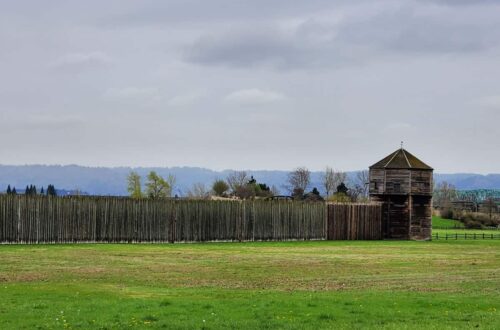
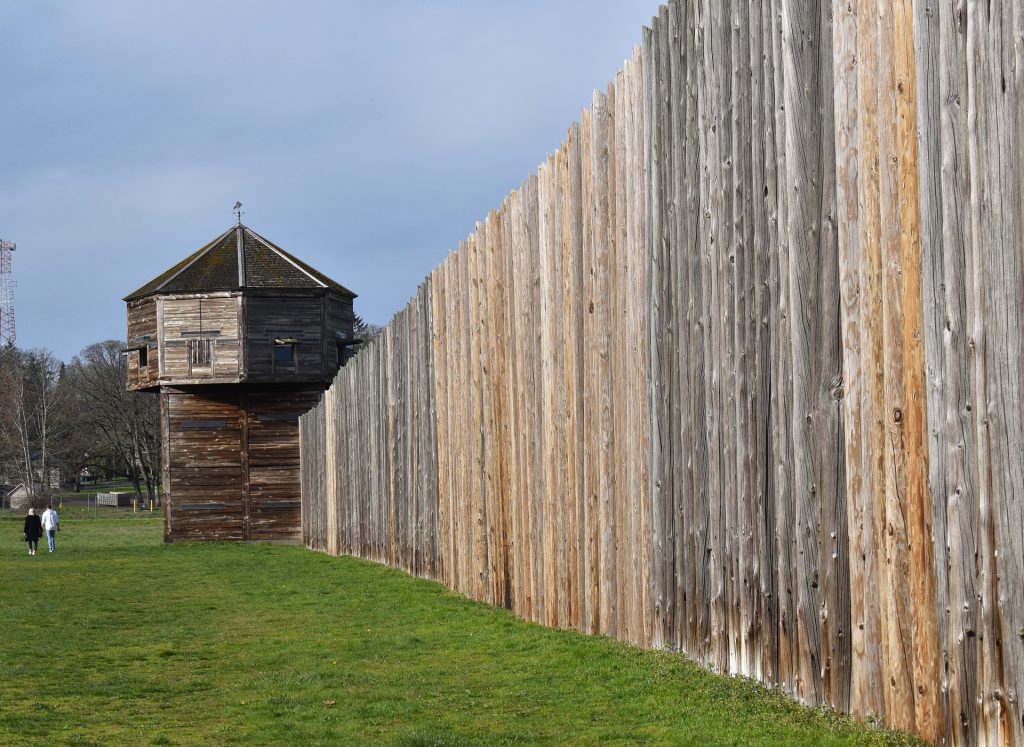
Fort Vancouver National Historic Site preserves reconstructed buildings, interpretive exhibits, and archaeological features that tell the fort’s story. Visitors can walk the grounds and learn about the company’s trade networks. Check the official National Park Service information for hours and current programs before you visit.
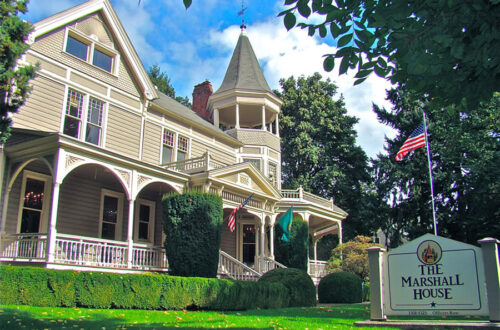
Officers Row and the Old Apple Tree Park also connect to this story, though in different ways. Officers Row reflects the army era that followed the company, while the park’s tree is tied to the company’s gardens in local tradition. Plan a route that fits your schedule.
How Can You Learn More About the Company?
Start with a good general history of the Hudson’s Bay Company, then compare it with local accounts from the fort and the region. Local libraries, museums, and national park staff can point you to reliable sources. Reading widely helps you separate documented facts from popular stories.
Consider the company’s history from several viewpoints, including Indigenous perspectives and the experiences of the workers who lived at the fort. Those voices add depth that single-author histories can miss. Visit the fort’s exhibits with questions in mind, and you’ll leave with a richer view of the region. Local museum exhibits and national park talks often cover these themes in more depth.
Frequently Asked Questions
Did the Hudson’s Bay Company found Vancouver WA?
Not exactly. The company founded Fort Vancouver in 1825, and the town grew around that trading post over the following decades. Settlers, the U.S. Army, and local businesses also shaped the city’s development. Fort Vancouver is best described as the seed of the community, not a single founding event.
Why was the fort named after Captain George Vancouver?
The name honors the British naval officer who explored the Pacific Northwest coast in the early 1790s. Captain George Vancouver charted much of the region’s coastline. The company chose his name for its new post, and the city later adopted the same name.
Can I see evidence of the fur trade today?
Yes, though the evidence is mostly interpretive rather than original. Reconstructed buildings, archaeological displays, and exhibits explain how the fur trade worked. Check current access and hours with the national historic site before your visit, since some displays may change seasonally.