Blog

  • How Much Does Interior Car Detailing Cost in Portland?

    How Much Does Interior Car Detailing Cost in Portland?

    How Much Does Interior Car Detailing Cost in Portland?

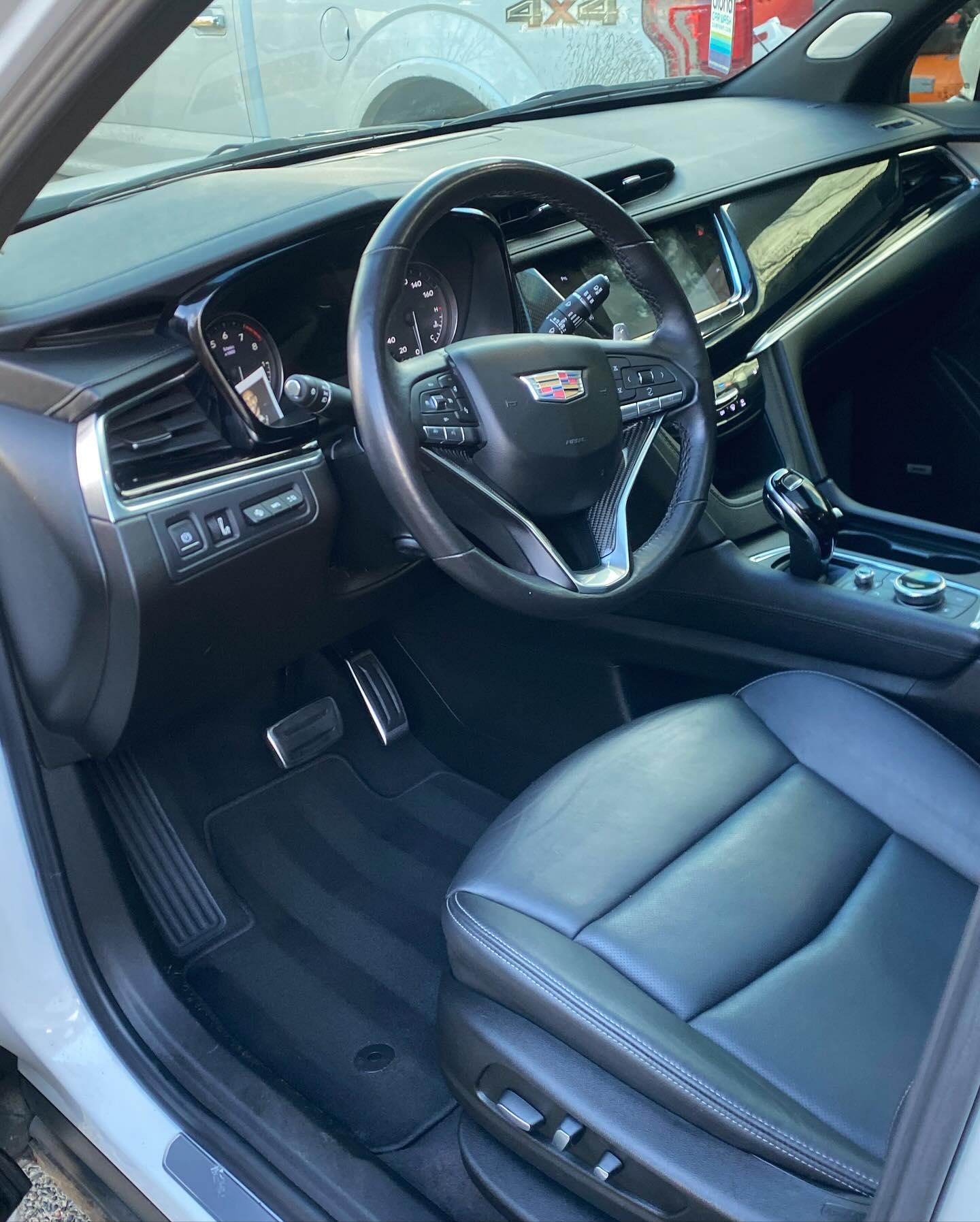
    If you’re wondering how much interior car detailing costs in Portland, Oregon, the answer depends on your vehicle’s size, interior condition, and the level of cleaning it needs.

    At Prime Shine Mobile Auto Detailing, our Fall and Winter Special interior detailing prices start at $99 for a basic interior detail, $159 for an advanced interior detail, and $219 for a premium interior detail.

    However, not every vehicle requires the same amount of work. A car that receives regular cleaning will usually take less time than an SUV with years of accumulated dirt, pet hair, spills, and stains.

    After more than five years in the detailing business and working on over 1,000 vehicles, we’ve learned that every interior has its own challenges. Here’s what Portland drivers should know before booking an interior car detail.

    How Much Does Interior Car Detailing Cost in Portland?

    Here are our current Fall and Winter Special starting prices at Prime Shine Mobile Auto Detailing.

    • Basic Interior Detail: $99+
    • Advanced Interior Detail: $159+
    • Premium Interior Detail: $219+

    These are starting prices. The final cost depends on the vehicle’s size, condition, and additional cleaning requirements.

    Our goal is to offer different levels of interior detailing so customers can choose the service that makes the most sense for their vehicle.

    For more information about our packages, visit our interior auto detailing services and pricing page.

    What Is Included in an Interior Car Detail?

    Not every interior detail is the same. The biggest difference between packages is how deeply we clean the vehicle.

    Basic Interior Detailing – Starting at $99

    Our basic interior detail is a good option for vehicles that receive regular maintenance and don’t have significant stains or heavy contamination.

    This service focuses on refreshing the interior by cleaning commonly used surfaces and removing everyday dirt.

    It is generally suitable for customers who want to maintain a clean vehicle without needing a complete deep cleaning.

    See Our Mobile Auto Detailing Services in Action

    Want to see the quality of our work? Watch our video to learn more about Mobile Auto Detailing Vancouver WA and how Prime Shine brings professional detailing directly to your location.

    Watch the full video on YouTube to see more of our mobile auto detailing work.

    Advanced Interior Detailing – Starting at $159

    Our advanced interior detail is designed for vehicles that need more attention.

    This level of cleaning goes beyond a standard vacuum and wipe-down. It can include carpet shampooing, deeper interior cleaning, and leather cleaning and conditioning where applicable.

    It’s a good choice for vehicles with accumulated dirt, everyday spills, and interior surfaces that need additional attention.

    Premium Interior Detailing – Starting at $219

    Our premium interior detail is designed for vehicles that need a more thorough cleaning.

    It includes deeper cleaning procedures, additional attention to difficult areas, and treatments for interior surfaces that need extra work.

    This is often the better option for customers dealing with neglected interiors, stubborn stains, or more significant interior contamination.

    The exact work depends on the vehicle’s condition and what can safely be restored.

    What Factors Affect the Cost of Interior Car Detailing?

    One of the biggest things customers should understand is that vehicle condition matters just as much as vehicle size.

    Two SUVs of the same year and model can have completely different interior cleaning requirements.

    Here are some of the biggest factors that can increase the cost.

    Pet Hair Removal

    Pet hair is one of the most common reasons an interior detail takes longer.

    Dog and cat hair can become deeply embedded in carpets, floor mats, upholstery, and hard-to-reach areas.

    Removing excessive pet hair requires additional tools, techniques, and labor. It isn’t always something that can be handled with a regular vacuum.

    Food and Drink Spills

    Coffee, soda, food, and other spills can leave behind stains and sticky residue.

    Some spills are relatively easy to clean, while others penetrate upholstery and carpet fibers.

    Depending on the material and how long the spill has been there, additional cleaning and extraction may be necessary.

    Carpet and Seat Stains

    Stains can be difficult to remove, especially when they’ve been sitting for months or years.

    Professional detailing can significantly improve the appearance of stained carpets and seats, but not every stain is removable.

    Previous cleaning attempts, permanent discoloration, and material damage can affect the final result.

    Mud, Dirt, and Sand

    Portland drivers deal with plenty of rain and wet weather throughout the fall and winter.

    Mud, dirt, and sand can accumulate in floor mats, carpets, and other areas of the vehicle.

    Vehicles that regularly carry children, pets, outdoor equipment, or work materials may need additional cleaning.

    Unpleasant Odors

    Odors can come from food, spilled drinks, pets, cigarettes, and other sources.

    Simply adding an air freshener doesn’t solve the underlying problem.

    Depending on the source, proper cleaning, extraction, and additional odor treatments may be necessary.

    Heavily Neglected Interiors

    Some vehicles haven’t received a professional interior cleaning in years.

    When dirt, spills, pet hair, and other contamination accumulate over a long period, the cleaning process becomes much more involved.

    These vehicles often require additional labor and a more intensive detailing package.

    Does Vehicle Size Affect Interior Detailing Prices?

    Yes. Larger vehicles generally require more time, cleaning products, and labor.

    At Prime Shine, we account for vehicle size when preparing estimates.

    For example, our typical size adjustments include:

    • Midsize SUV: Approximately $40–$50 extra.
    • Large SUV or van: Approximately $90–$100 extra.
    • Luxury or exotic vehicle: Approximately $120 extra.

    These are additional starting adjustments and can vary depending on the vehicle and its condition.

    A large SUV with excessive pet hair and stained carpets will require considerably more work than a smaller vehicle with a well-maintained interior.

    Why the Cheapest Interior Detail Isn’t Always the Best Choice

    We understand that customers want to save money. However, choosing a detailer based entirely on price can sometimes lead to disappointing results.

    We’ve had customers come to us after hiring another detailer who didn’t properly clean their vehicle.

    In those situations, the customer was left needing another professional to correct the work.

    Interior detailing requires more than running a vacuum over the carpet and wiping down the dashboard.

    A professional detailer should understand different interior materials, use appropriate cleaning products, have the right equipment, and know how to handle difficult cleaning situations.

    Before hiring someone, consider asking:

    • What is included in the package?
    • Do you offer carpet and upholstery extraction?
    • How do you handle excessive pet hair?
    • Do you have experience removing difficult stains?
    • Are there additional charges for heavily soiled vehicles?
    • What equipment do you use?

    A good detail isn’t necessarily the cheapest one. It’s the service that provides the best value and results for your vehicle.

    Can Interior Car Detailing Make Your Vehicle Look Brand-New Again?

    This is something we want customers to understand before booking.

    At Prime Shine, we work hard to make every vehicle look as clean and refreshed as possible. Our goal is to restore the interior’s appearance and get it looking as close to new as its condition allows.

    However, not every vehicle can look brand-new again.

    Some stains have been sitting for years. Some carpets have permanent discoloration. Certain materials become worn, damaged, or permanently affected by spills and contamination.

    Professional detailing can dramatically improve many of these conditions, but it cannot reverse every type of damage.

    We believe in being realistic with customers rather than promising results that aren’t possible.

    Our job is to provide the best cleaning results we can while treating each vehicle with care.

    Why Choose Mobile Interior Car Detailing in Portland?

    One of the biggest advantages of mobile detailing is convenience.

    Instead of driving your vehicle to a detailing shop, waiting for the work to be completed, and arranging transportation, you can have your interior detailed at your home or workplace.

    Prime Shine Mobile Auto Detailing serves Portland and surrounding communities.

    We come to your location and bring the equipment and supplies needed to complete the job.

    For customers at homes, we can connect to an available water source. For apartment complexes, workplaces, and other locations without convenient hookups, we can bring our own water and generator.

    We also use professional detailing equipment, including extraction and specialized cleaning tools, to handle different types of interior cleaning.

    Our goal is simple: deliver quality results and make the experience convenient for our customers.

    You can learn more about our mobile car detailing in Portland, Oregon and the other services we provide throughout the area.

    How Often Should You Get Your Car Interior Detailed?

    The right frequency depends on how you use your vehicle.

    For most drivers, a professional interior detail every three to six months can help maintain a clean and comfortable interior.

    You may need more frequent detailing if:

    • You regularly transport pets.
    • You have children who eat or drink in the vehicle.
    • You commute every day.
    • You work in construction or other dirty environments.
    • You frequently travel outdoors.
    • You notice stains, odors, or excessive dirt accumulating.

    Regular maintenance can help prevent dirt and contamination from building up to the point where a much deeper cleaning is necessary.

    Book Mobile Interior Car Detailing in Portland, Oregon

    If your vehicle needs a refresh, a deep interior cleaning, or help dealing with stubborn dirt and pet hair, Prime Shine Mobile Auto Detailing is ready to help.

    Our current Fall and Winter Special starts at:

    • Basic Interior Detail: $99+
    • Advanced Interior Detail: $159+
    • Premium Interior Detail: $219+

    Final pricing depends on vehicle size, condition, and the amount of work required.

    We bring professional mobile detailing directly to your home or workplace, making it easier to keep your vehicle clean without visiting a traditional detailing shop.

    Visit Prime Shine Mobile Auto Detailing to learn more about our services and request an appointment.

    Ready to get your interior cleaned? Book your mobile interior car detailing service with Prime Shine today.
  • Visiting Fort Vancouver National Historic Site: A Complete Visitor Guide

    Visiting Fort Vancouver National Historic Site: A Complete Visitor Guide

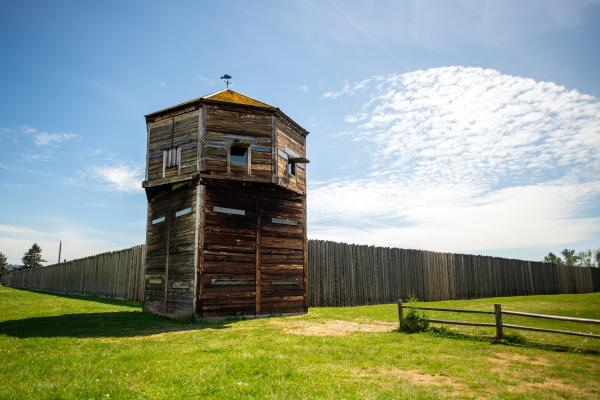
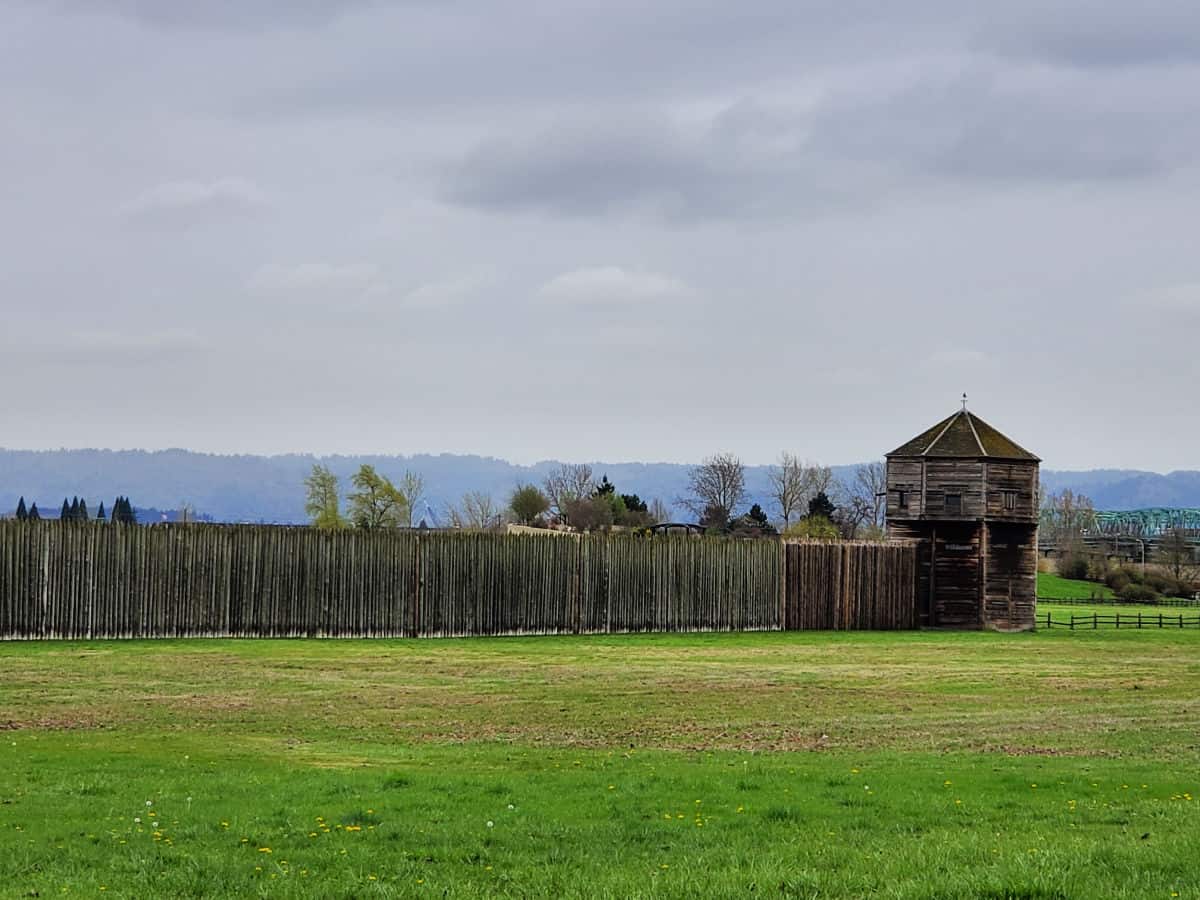
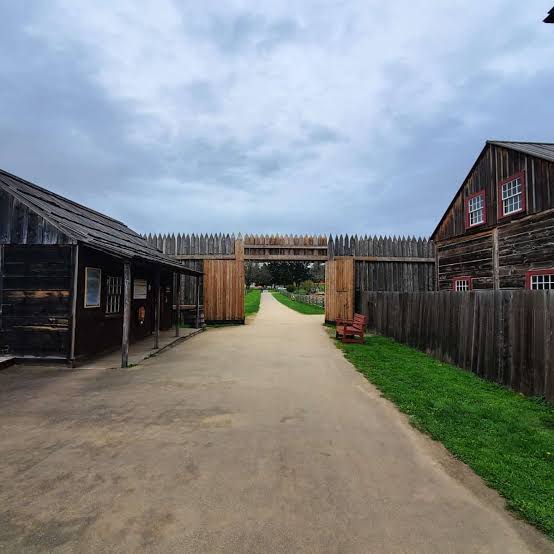
    Fort Vancouver National Historic Site preserves the Hudson’s Bay Company trading post that gave Vancouver, Washington its start. Give yourself a relaxed afternoon to explore the reconstructed buildings, exhibits, and river grounds, and check the official site before you go.

    What Made Fort Vancouver So Important?

    Fort Vancouver served as the main base of the Hudson’s Bay Company’s Columbia Department from 1825 until the company moved its headquarters north in 1849. From here, traders, farmers, and workers supplied posts across the Pacific Northwest. The site is now managed by the National Park Service, which keeps the story of its many cultures alive.

    Visitors often expect a single restored building, but the site is a collection of reconstructed structures, archaeological digs, and interpretive trails. The reconstructed stockade and several buildings show what the post looked like during the fur trade era. Staff and volunteers explain how the site functioned, from workshops to farm fields that fed the community. Plan to spend at least two hours if you want to see the main areas.

    How Do You Get There?

    Fort Vancouver sits in east Vancouver, close to downtown and a short drive from Interstate 5. Most visitors arrive by car. Because hours, fees, and parking rules can change, check the official National Park Service website or call the visitor center before you go. Plan a little extra time on weekends, when parking can fill up.

    Bring water, sun protection, and layers, since the open grounds offer little shade in summer. The Columbia can be windy, so a light jacket helps even on warm days. Accessibility matters here, and many paths are paved, but some historic buildings may have steps or narrow doorways. Ask staff about accessible routes and mobility aids when you arrive.

    What Should You See Inside the Park?

    The reconstructed fort stockade and its buildings draw most visitors, and they show daily life during the fur trade era. The grounds also include interpretive areas about the Chinookan people who lived along the river long before the fort existed. Start at the visitor center, where exhibits help you understand the site before you walk the grounds.

    Officers Row, the line of historic army homes near Vancouver Barracks, is a short drive away and makes a natural second stop. Many visitors also pause on the riverside grounds to watch boats and birds on the Columbia. Pack a snack for the walk.

    How Long Should Your Visit Take?

    Most visitors need about two to three hours to see the main grounds and visitor center exhibits at a relaxed pace. Families with young children or history fans may want more time. Check the official National Park Service page for the current schedule, since hours can shift with the seasons and holidays.

    The best time to visit is usually late spring through early fall, when weather is mild and more outdoor areas are open. Winter visits are quieter, but rain is common in the Pacific Northwest, so dress for wet conditions. Weekday mornings tend to be less crowded than weekend afternoons.

    Which Nearby Attractions Pair Well With a Visit?

    Officers Row, the Pearson Air Museum, and downtown’s waterfront all sit within a short drive of the fort. Grouping them into one outing saves time and gas. Confirm hours for each stop, since many local attractions keep different schedules and some close on certain days.

    If you enjoy photography, the fort grounds offer wide river views and open skies. Late afternoon light is warm and flattering for the reconstructed buildings. Bring a camera with a wide lens, and respect posted signs about entering interiors and staying on marked paths.

    How Can You Plan a Smooth Visit?

    A few simple steps make a Fort Vancouver visit easier. Check the official National Park Service site for current hours, closures, and events. Then dress for the weather, bring water, and plan your route before you leave home. Ask about ranger-led tours when you arrive, since schedules change.

    Frequently Asked Questions

    Do I need to pay to enter the park?

    Fees and passes can change, so check the official National Park Service website before you go. Many national park units offer free entry on certain days, but confirm whether that applies here. Some tours or special programs may carry separate charges. Calling the visitor center is the quickest way to get current information.

    Can I go inside the reconstructed buildings?

    Some buildings are open for interior visits, while others are viewed from outside. Access can depend on staffing, season, and preservation needs. Rangers can tell you which buildings are open that day and whether any require stairs. Ask at the visitor center when you arrive for the latest details.

    How much time should I plan with kids?

    Plan for about two hours with young children, and expect shorter attention spans around the reconstructed buildings. Let kids explore the open grounds and river path between exhibits. Pack snacks, water, and a stroller if needed. Early visits on weekdays often feel calmer and give everyone more room to move.

  • Officers Row in Vancouver WA: A Walking Guide to the Historic Homes

    Officers Row in Vancouver WA: A Walking Guide to the Historic Homes

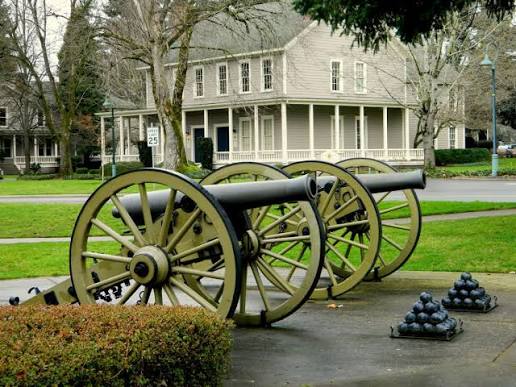
    Officers Row is a tree-lined street of historic army homes from the nineteenth century. It tells the story of Vancouver Barracks, and you can see varied architecture on a walk of roughly 30 to 60 minutes. Pair it with a visit to nearby Fort Vancouver.

    Why Are the Officers Row Homes Historically Important?

    The homes once housed officers and their families at Vancouver Barracks, an army post that grew up beside Fort Vancouver. Their designs reflect changing styles across the late nineteenth and early twentieth centuries. Many are now preserved as part of the Vancouver National Historic Reserve, which protects the historic landscape and open space.

    Walking the street, you’ll notice how the houses differ in size and detail. Wide porches, tall windows, and decorative trim vary from one home to the next. Those differences often reflect rank, since senior officers usually received larger residences.

    Where Should You Start Your Walk?

    Begin where you can find a legal parking spot, then follow the sidewalk on foot. Park signs can have time limits and permit rules, so read them carefully before you leave your car. You may find signs near some homes that explain their history. Give yourself a few minutes at each stop to read them.

    Sidewalks can be uneven in places, and a few slopes may challenge strollers and wheelchairs. Wear comfortable shoes with good grip, especially after rain. Plan for more time than you expect, since people often stop to take photos.

    Which Houses Are Worth a Closer Look?

    Some of the best-known homes carry the names of officers who lived in them, and they draw the most attention. Two of them, Grant House and Marshall House, are covered in a separate guide. Others on the row offer useful examples of late nineteenth century domestic design.

    Take time to look at the details rather than rushing past. Note the porch columns, the window shapes, and the roof lines. Many homes show different architectural influences, so comparing two neighbors can be a fun game. Some were updated over the decades, so you may spot newer windows or paint colors.

    How Should You Behave Around Private Homes?

    Many of the houses on Officers Row remain private residences, so you should admire them from the street. Avoid entering yards, peeking into windows, or leaning on fences. Keep voices low near homes where people may be resting or working. Respecting privacy keeps the neighborhood welcoming for the people who call it home.

    Some buildings house offices, museums, or event spaces with public hours. Check current hours before you plan to go inside, since schedules change. If you bring a pet, keep it leashed and clean up after it, as you would in any residential area.

    When Is the Best Time for a Walk?

    Early morning and late afternoon offer the calmest conditions for a walk along Officers Row. Light is softer, traffic is usually lighter, and you can take photos without large crowds. Spring and fall bring pleasant temperatures, while summer can be warm, so bring water and a hat.

    Weather in Vancouver is often mild, but Pacific Northwest rain can arrive quickly. Pack a light rain jacket in every season. A map on your phone helps you track which houses you’ve seen, and a small notebook works just as well.

    Which Nearby Sites Pair Well With a Walk?

    Fort Vancouver National Historic Site sits a short drive away and offers the fur trade story that set the stage for the army post. Pearson Air Museum, on the nearby airfield, adds an aviation chapter to the story. Each site deserves its own block of time.

    Officers Row and Fort Vancouver are close enough to combine on one day. Start with the fort’s visitor center for context, then walk the row while the history is fresh. Check hours for both places before you leave, because schedules can differ by season.

    Frequently Asked Questions

    Is Officers Row open to the public?

    The street itself is public, and you can walk along it freely. Many of the homes are private residences, so you should not enter them without permission. Some buildings offer public hours, so check current schedules before planning a visit inside.

    How long does a walk along Officers Row take?

    Most visitors finish the main stretch in about 30 to 60 minutes at a relaxed pace. Reading the signs and taking photos can stretch that time. If you want a longer outing, combine the walk with a visit to Fort Vancouver, which takes a couple of hours.

    Is Officers Row accessible for visitors with mobility needs?

    Parts of the sidewalk are level and easy to roll along, but some slopes and uneven patches can be tricky. Crossing streets may require extra care, and some homes have steps at the entrance. Check conditions in advance and consider a companion if you need help navigating.

  • Pearson Air Museum and Pearson Field: Aviation History in Vancouver WA

    Pearson Air Museum and Pearson Field: Aviation History in Vancouver WA

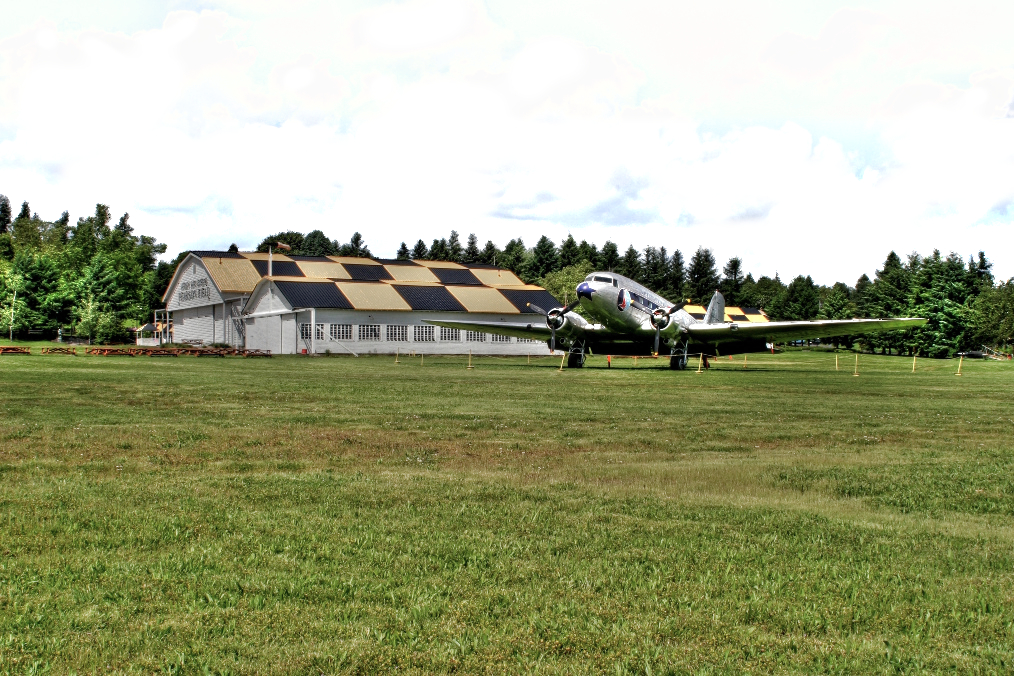
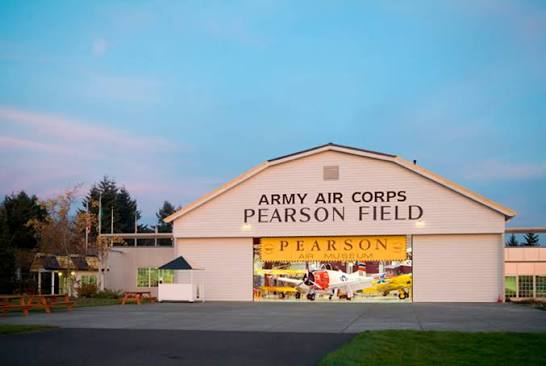
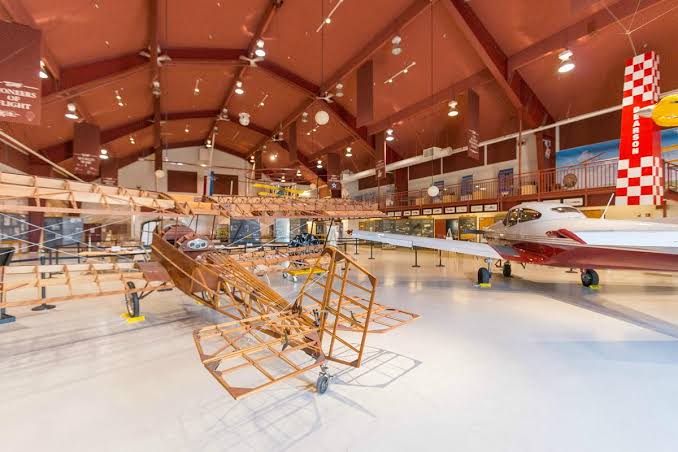
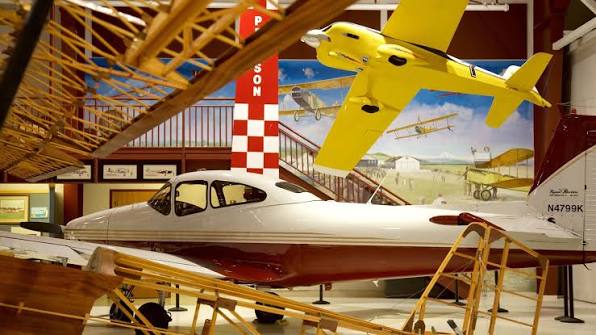
    Pearson Air Museum sits beside one of the oldest airfields in the United States, a site tied to early military aviation in the Pacific Northwest. Expect historic aircraft, displays on early flight, and a clear story of how the field shaped local history. Check the museum’s current hours before you visit, since they can change.

    How Did Pearson Field Begin?

    Pearson Field traces its roots to 1905, when the U.S. Army set up an airfield beside Vancouver Barracks. The field was named for Lieutenant Alexander Pearson, an early Army aviator. Its long history makes it one of the oldest airfields still in use in the United States.

    Army pilots used the field to train and test aircraft during the early years of flight. Over time, the airfield’s role shifted, with civilian and general aviation growing alongside military use. Local visitors can still see how the field connects the early military era with modern aviation.

    What Can You See Inside the Museum?

    The museum focuses on aircraft and aviation history, with displays that cover early flight and the people who flew and maintained planes. Exhibits typically include photographs, artifacts, and aircraft on display. Plan on about an hour, though aviation fans often stay longer.

    Look for the stories behind the objects. Many exhibits explain how pilots trained and how the airfield supported the community. Read the placards slowly, since they often contain details you won’t find online.

    If the weather turns, the indoor spaces offer shelter while you learn. Pick the displays that match your interests, and spend extra time there rather than rushing.

    How Do You Get to Pearson Air Museum?

    The museum sits on the east side of Vancouver, near Fort Vancouver National Historic Site and a short drive from Interstate 5. Most visitors arrive by car. Confirm parking and entry details by calling ahead, since access can change when the airfield is busy.

    The airfield is an active facility, so watch for signs and follow staff directions. Keep clear of runways, taxiways, and any roped-off areas. Stay close to children near the flight line, and don’t climb on aircraft unless staff invite you to do so.

    Is It Good for Families and Accessible Visitors?

    Families often enjoy the museum because aircraft and large displays hold young visitors’ attention. Accessibility depends on the building layout and exhibit spacing, so ask ahead about ramps, restrooms, and wheelchair access. Staff can usually describe the route and any areas that may require assistance.

    Bring snacks and water for children, and plan a break outdoors if the day is warm. Compact strollers usually work better than large ones in tight exhibit spaces. Remind little ones to keep hands off display cases and aircraft surfaces.

    What Else Is Nearby for a Full Day Out?

    Fort Vancouver National Historic Site is the most natural partner for a visit, since it tells the fur trade story that came before the airfield. Officers Row and downtown Vancouver are also within a short drive. Combine stops by area to keep travel time short.

    Planes often fly overhead near the field, which many visitors find memorable. Check the schedule for special events, since busy days can draw bigger crowds. Pack a lunch if you plan a full afternoon, since you’ll want a break between stops.

    How Can You Make the Most of Your Visit?

    Choose a dry, mild day if you plan to spend time outdoors near the airfield. Wear comfortable closed shoes for any walking, and dress in layers, since open areas can feel windy. Bring a camera for the aircraft, but ask staff about photography rules before you start shooting inside.

    Plan a visit in the morning if you want quieter galleries, and check whether the museum offers guided tours or talks. Staff and volunteers often share stories that aren’t printed on the signs. Ask questions, since local knowledge adds depth to every display.

    Frequently Asked Questions

    Do I need to buy tickets in advance?

    Admission rules can change, so confirm current prices and ticket options before you visit. Many small museums rely on visitor support, so a donation or small purchase may help keep exhibits open. Calling ahead is the quickest way to learn whether you need a reservation for your date.

    Can children touch the aircraft?

    Touching rules depend on the specific display and the day’s staffing. Some exhibits may invite gentle interaction, while others are roped off to protect them. Follow posted signs and listen to staff, who can explain what’s safe for kids. Good manners keep history intact for the next group of visitors.

    How long should I plan to stay?

    Plan on one to two hours inside, depending on interest and whether you step outside to view the airfield. Aviation enthusiasts may stay longer, especially if a guided talk is scheduled. Build in extra time for parking and a short walk to nearby attractions.

  • Clark County Historical Museum: What to See and Why It’s Worth a Visit

    Clark County Historical Museum: What to See and Why It’s Worth a Visit

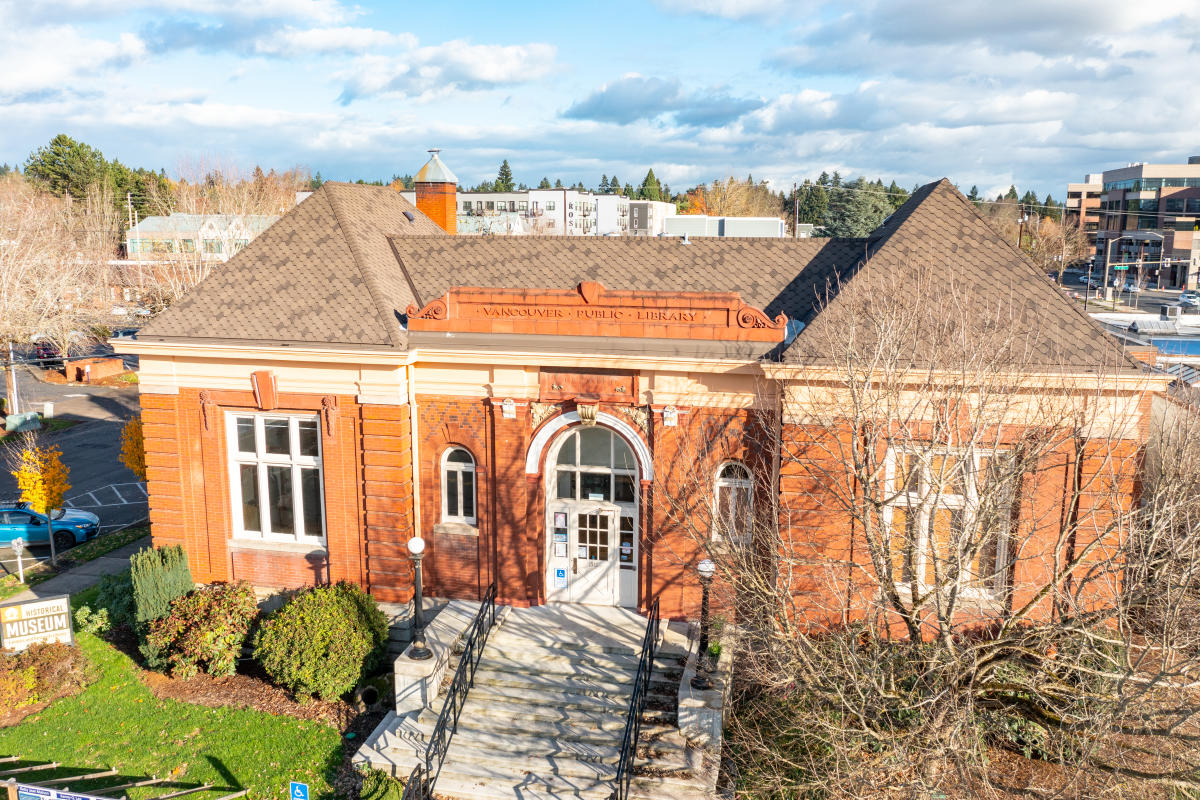
    The Clark County Historical Museum offers a strong starting point for understanding how the region grew from Indigenous homelands into a working river community. Its exhibits cover pioneer life, local industry, and wartime changes that shaped Vancouver and its neighbors. Check current hours and admission before you go, since local museums often adjust their schedules.

    What Does the Museum Cover?

    The museum traces local history from early Indigenous communities through the arrival of settlers, the growth of farms and mills, and the wartime era. Exhibits highlight how the region’s economy and population changed over time. Expect a broad overview rather than a deep dive into any single topic.

    Begin with the earliest displays, since they set the context for everything that follows. Chinookan-speaking communities lived along the lower Columbia for many generations before European explorers arrived. Give those early exhibits extra time, because they shape how you read the rest of the museum.

    Many regional museums explain national events through local stories, and that approach works well here. Keep an eye out for those connections as you walk through.

    How Did Settlement and Industry Shape the County?

    Pioneer settlement in the nineteenth century brought farms, mills, and river commerce to the area. Industries such as timber and shipping grew along the Columbia and nearby waterways. Local exhibits show how these changes affected families, workers, and the towns that formed around them.

    Wartime shipbuilding is a story many visitors don’t expect. During World War II, Vancouver’s shipyards built vessels at a fast pace, bringing new jobs and many newcomers to the city.

    Which Exhibits Deserve the Most Time?

    Focus on objects that connect to daily life, such as tools, household items, photographs, and clothing. Those everyday pieces often explain more than large displays do. Ask staff which rotating exhibits are on view, since temporary shows change throughout the year.

    Photographs deserve a close look. They reveal street scenes, work crews, and family gatherings that are hard to imagine from a written history alone. Read the captions, since they often name places and dates that help you follow the timeline.

    If you enjoy hands-on learning, ask docents about the objects they know best. Volunteers often have favorite stories behind particular items, and most enjoy sharing them with curious guests.

    Is the Museum Worth a Visit With Children?

    Yes, many families find the museum engaging, especially children who enjoy old tools and household objects. Many displays rely on reading, so younger kids may need guidance. Plan a short, focused visit and let them choose one or two items to explore in depth.

    Some older buildings present access challenges, so check ahead about elevators, restrooms, and stairs between galleries. Staff can point you to the most accessible route.

    What Nearby Sites Complement the Museum?

    Downtown Vancouver offers several historic sites within a short walk or drive of the museum. Esther Short Park, one of the oldest public parks in Washington, is a pleasant place to pause. Plan your route so you can see the museum first, then explore the nearby streets.

    Fort Vancouver National Historic Site tells the fur trade story that preceded the city’s growth, making it a natural follow-up to the museum. Officers Row, the historic army homes at Vancouver Barracks, adds another layer of local history.

    Check which sites are open on the day you visit, since some historic properties keep limited seasonal hours.

    How Can You Plan a Useful Visit?

    Start by checking current hours, admission, and any special events on the museum’s official information page or by phone. Arrive with a rough plan of which galleries matter most to you. Allow about one to two hours for a focused visit, longer if you love local history.

    Bring a notebook if you want to record names or dates you find interesting. Photography rules vary, so ask before you take pictures in galleries. Wear comfortable shoes, since you will likely do more walking than you expect.

    Frequently Asked Questions

    Is the museum only for local history fans?

    Not at all. The museum suits anyone curious about how places change over time, including visitors new to the region. Newcomers often find the big-picture overview helpful, while longtime residents enjoy recognizing familiar names and places. Even a short visit can add useful context to a trip around Vancouver.

    How much time should I set aside for a visit?

    Plan one to two hours for a focused visit. Longer visits make sense if you want to read every panel or join a scheduled talk, if there is one. If you’re short on time, pick two or three galleries that match your interests and skip the rest.

    Can I combine the museum with other nearby stops?

    Yes, downtown Vancouver and Fort Vancouver make a practical pairing. Start at the museum for regional context, then visit the historic sites to see the places in person. Group stops by area to save driving time, and check each site’s hours before you set out.

  • Covington House: Exploring One of the Oldest Log Homes in the Pacific Northwest

    Covington House: Exploring One of the Oldest Log Homes in the Pacific Northwest

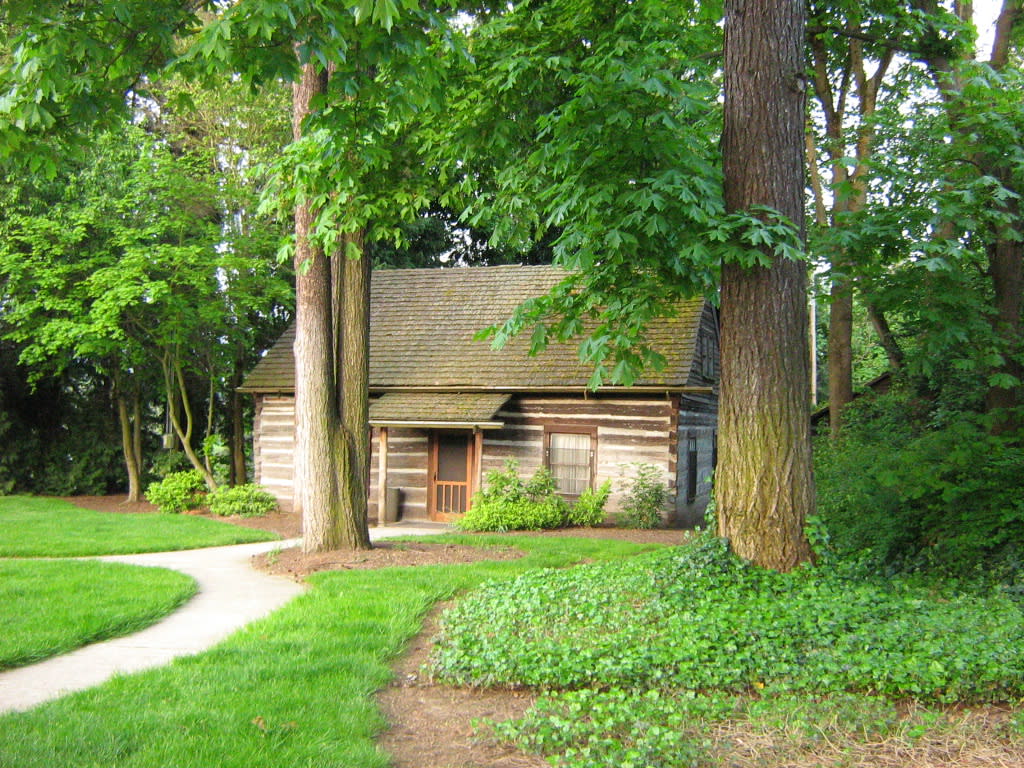
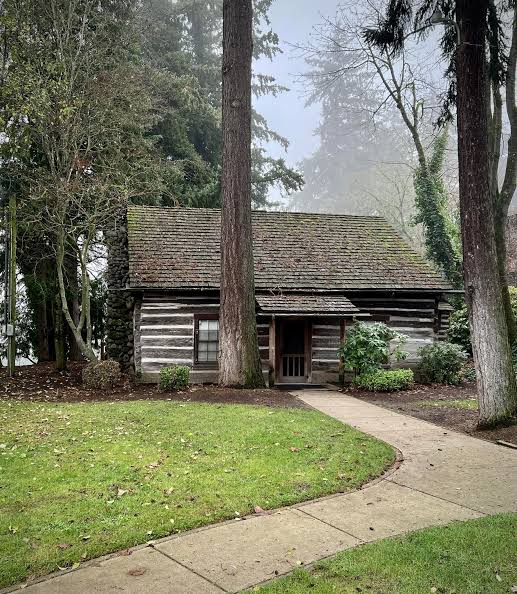
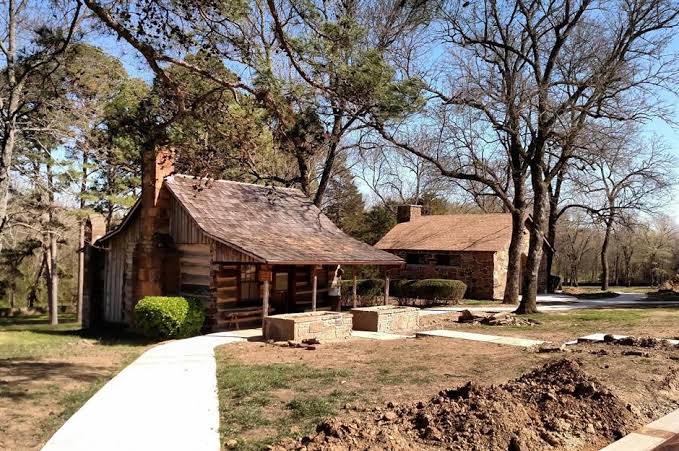
    Covington House is often described as one of the oldest surviving log homes in the Pacific Northwest, a rare link to the region’s pioneer era. Its simple construction shows how early settlers used local timber to build shelter. Verify current public access and visiting details before you go, since historic houses may open only on certain days.

    Why Are Log Homes Significant to Pioneer History?

    Log homes were among the most practical shelters for early settlers in the region. Builders could fell trees and shape logs with simple hand tools, so construction often needed little cash or specialized labor. Surviving examples help historians understand how families lived, cooked, and kept warm during the 1800s.

    A house like this shows what people valued: shelter, warmth, and room for the family. Few original structures survive from this era, so each one matters. Preservation work protects the logs, roof, and interior from weather and time.

    What Does the Building Look Like Inside?

    Historic log interiors are typically compact, with exposed walls, a fireplace, and simple furnishings. Interior access can vary from one site to another, so confirm what is open before you plan a visit. Look closely at the notches where logs meet at the corners, since they show the builder’s craft.

    Start at the entrance and let your eyes adjust to the light. Notice the thickness of the walls, the placement of windows, and how the room was divided. Small details reveal a lot about how families lived with limited space. Notice how light enters through the windows, and imagine the room by lamplight at night.

    How Should You Plan a Visit?

    Call ahead or check with the organization that manages the house, since historic properties often keep limited schedules. Ask whether guided tours are offered, and whether restrooms are available nearby. Confirm parking rules, which can vary on residential streets. Plan around the weather, since some visits include outdoor areas.

    Bring a camera and a notebook, since many historic sites allow photography and note-taking. Wear sturdy shoes for uneven ground around older structures. Pack water and a light jacket for changing Pacific Northwest weather.

    Can You Access the House Easily?

    Historic log houses often have steps, narrow doorways, and uneven floors, which can limit access for some visitors. Ask about ramps, interior viewing options, and whether staff can describe the layout in advance. Many visitors find that a guided description or photos help them understand the interior.

    Grounds around historic structures can be uneven, so plan a route that avoids soft or steep paths. Parking may be on the street, which means curb cuts and sidewalk conditions matter. Let the site know ahead of time if you need assistance.

    What Else Can You See in the Area?

    Covington House pairs well with other pioneer-era and military history sites in Clark County. Fort Vancouver National Historic Site covers the fur trade era that shaped early settlement. Plan extra time to see both, since the contrast between a single family home and a large trading post is memorable.

    The Clark County Historical Museum can help place homes like this in a broader timeline. Visit it before or after your house tour for added context. Check its current hours, as local schedules change through the year.

    How Can You Make the Most of Your Visit?

    Pair your visit with a few quiet minutes outside the house, since the setting helps explain its purpose. Take notes about what surprised you, then compare them with the museum’s exhibits. Ask questions of any staff or volunteers on site, who often know the house’s history best.

    Visit on a weekday if you prefer quiet rooms and more room to move. Respect any posted rules about touching, sitting, or entering restricted areas. Small house tours reward slow walking and close looking, so give yourself time.

    Frequently Asked Questions

    Is Covington House really one of the oldest log homes in the region?

    It is commonly described that way by local history sources, but rankings of old buildings can depend on how a site defines age and original construction. Ask the museum or a local historical society for the documented build date before you cite it in your own writing.

    Can I go inside the house during a visit?

    Interior access depends on current site management, staffing, and conservation needs. Some historic houses allow short tours on set days, while others offer exterior viewing only. Check with the managing organization in advance so you know what to expect before you travel.

    What should I bring to see a historic log house?

    Bring a camera, a notebook, water, and comfortable shoes. A light jacket helps, since Pacific Northwest weather can change quickly. If you have mobility needs, bring a folding seat or ask about accessible routes before you arrive. Keep a small bag light so you can move easily through narrow spaces.

  • Old Apple Tree Park: The Story of Vancouver WA’s Famous Apple Tree

    Old Apple Tree Park: The Story of Vancouver WA’s Famous Apple Tree

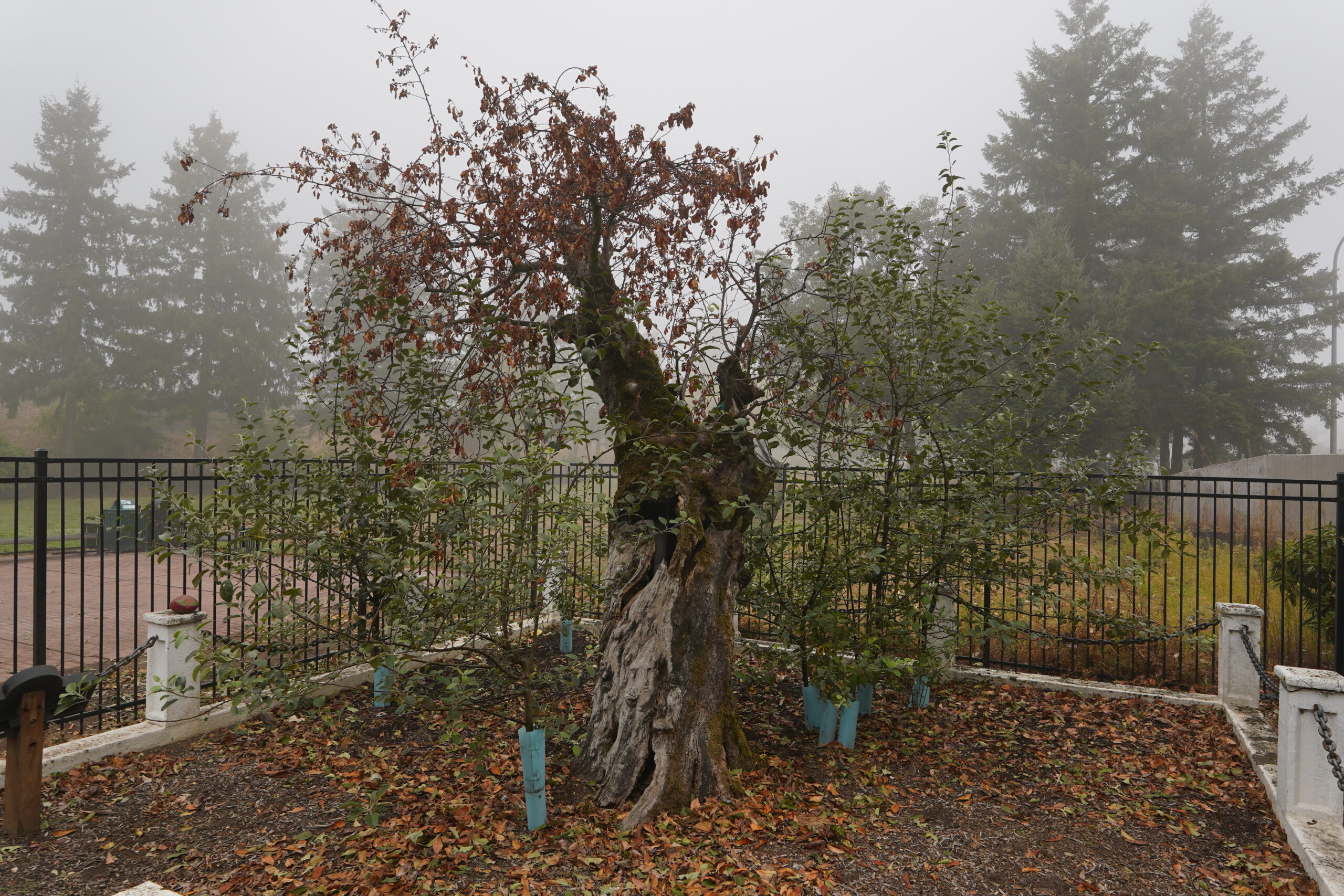
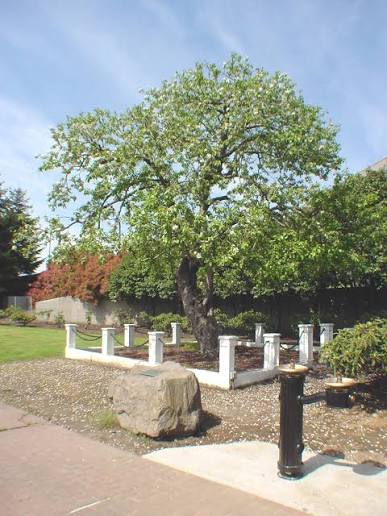
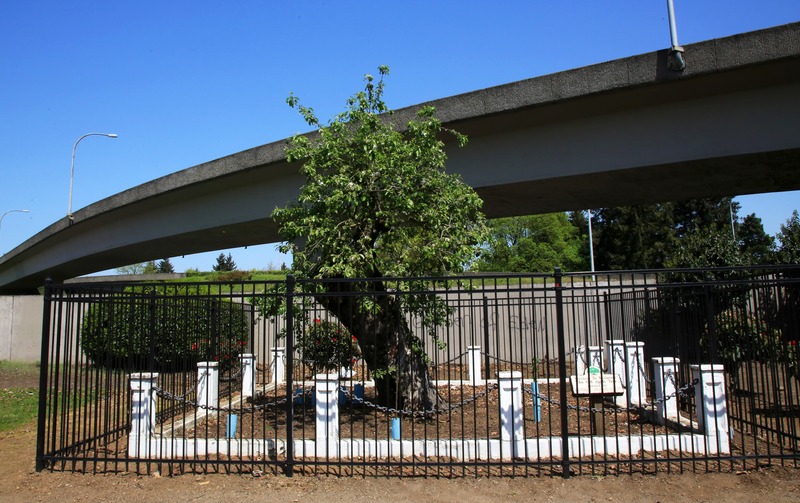
    Old Apple Tree Park centers on a tree that many locals connect with the Hudson’s Bay Company era at Fort Vancouver. The story says it grew from an apple planted around 1826, which would make it one of the oldest known apple trees in Washington. Confirm details with local historians, since local stories and written records can differ.

    Where Did the Tree Come From?

    The most common account says the tree grew from seeds planted during the Hudson’s Bay Company period at Fort Vancouver, around 1826. Hudson’s Bay Company workers grew gardens and orchards to supply the post. Early fruit trees in the region often grew from seeds or cuttings carried over long distances.

    Local stories are not always consistent about dates or who planted the tree. Some accounts tie it to specific people, while others describe a more general origin. Treat the 1826 date as a traditional story, and confirm details with the Fort Vancouver National Historic Site or local archives.

    What Makes the Tree Special Today?

    The tree is valued as a living link to the early fur trade era and to the region’s agricultural beginnings. Its age, if the traditional date holds, would place it among the oldest fruit trees in the state. Visitors often find its gnarled trunk and spreading limbs a striking contrast with modern orchards.

    Over the years, supports and careful pruning have helped the tree stay standing. Its survival depends on continued care, so please don’t climb it or break branches. Many people see the tree as a symbol of the city’s roots.

    How Do You Visit the Park?

    Old Apple Tree Park is a small, open green space, so a visit can be brief or leisurely. A short stop or a relaxed hour both work, depending on your interest in the history. Check the city’s parks information for current hours and seasonal closures.

    The park is best approached on foot or by bike, since parking near small parks may be limited. Look for benches, paths, and any signs that explain the tree’s story. Keep dogs leashed and respect the tree’s roots by staying on marked areas.

    Is the Park Accessible for Everyone?

    Small urban parks are often easier to navigate than large trails, but accessibility depends on surface conditions and entry points. Check whether paths are paved and whether curb ramps connect to the sidewalks you’ll use. Staff at the city can answer specific questions before you go.

    Bring a seat if you need one, since benches may not be placed where you need them. If you use a mobility device, map your route before you leave home. Bring water and a hat, since open spaces can be sunny.

    What Else Is Nearby for History Lovers?

    Fort Vancouver National Historic Site is the most natural companion for this park, since it covers the Hudson’s Bay Company trading post. Clark County Historical Museum adds regional context. Combine a short walk with a longer visit to a historic site to get the full picture.

    The park works well as a short stop within a larger day of exploring the city’s historic sites. Ask locals or visitor information staff for a current map of nearby places.

    How Can You Make the Visit Meaningful?

    Read the history before you go, then compare the traditional story with what you see on site. Bring a camera for seasonal changes, since blossoms and leaves transform the tree through the year. Visiting in spring, when apple trees typically bloom, can be memorable. Share your own questions with local historians.

    Consider your visit as part of a broader story. The tree connects today’s city to a time before the town existed. Pause for a few minutes and imagine the gardens, workers, and seasons that shaped it. Take a photo, then put the phone away for a minute.

    Frequently Asked Questions

    Is the tree really from 1826?

    The 1826 date is a traditional account rather than a documented fact in every source. Local historians and park records may describe the tree’s origins differently, so check current information before repeating the date. A respectful way to share the story is to say it’s said to date from about 1826.

    Can visitors pick apples from the tree?

    Please don’t pick fruit or break branches. The tree is a living historic resource, and damage can harm its health. If you want to taste apples, visit a local orchard or farmers market. Local growers can explain which varieties grow best in the region.

    How long should I plan for a visit?

    A quick stop takes under an hour, while a relaxed visit with reading and photos may take longer. Pair the park with another attraction to make the trip worthwhile. Check the city’s current hours and any seasonal notices before you leave, since small parks can close for maintenance.

  • Marshall House and Grant House: Two Historic Officers Row Landmarks

    Marshall House and Grant House: Two Historic Officers Row Landmarks

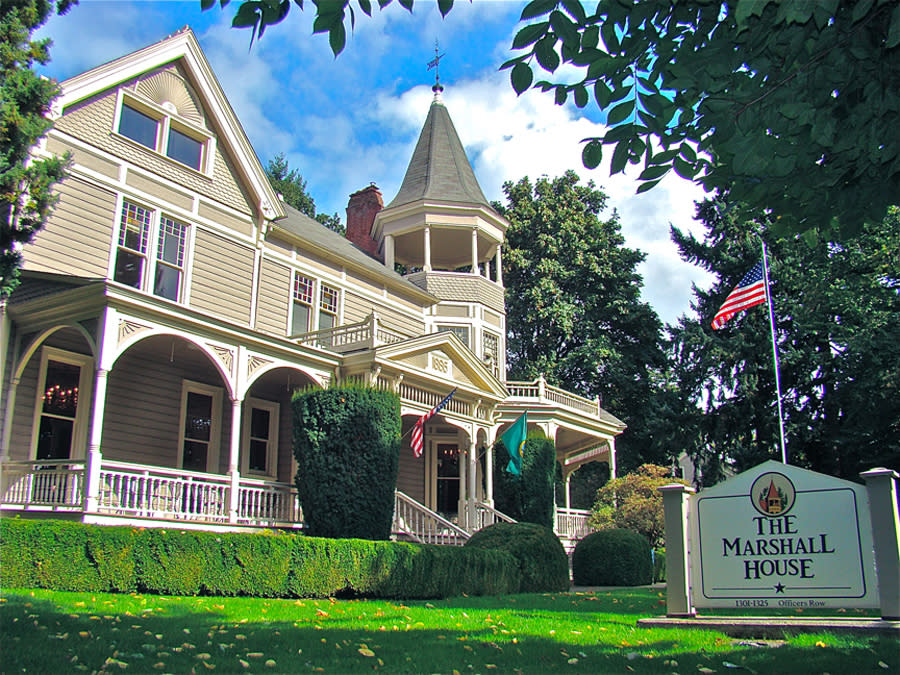
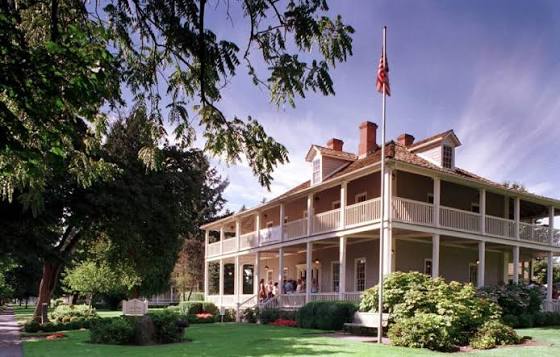
    Marshall House and Grant House are two of the best-known homes on Officers Row in Vancouver, Washington. One links the army’s early presence to Ulysses S. Grant, and the other to George C. Marshall, a major figure in twentieth-century American history. Check current access before you visit, since public hours can change.

    Who Lived in These Houses?

    Ulysses S. Grant served at Vancouver Barracks in the early 1850s, before he became a Civil War general and later the eighteenth president. George C. Marshall spent time at Vancouver Barracks early in his army career, and he later served as Army Chief of Staff during World War II.

    Visitors sometimes assume these men lived here as famous figures. In reality, they arrived as young officers with ordinary duties, and their later careers made the houses memorable. Read the interpretive material to see how each man’s service fits the post’s story.

    What Is Grant House Known For?

    Grant House is among the oldest surviving structures tied to the Vancouver Barracks story, dating to around 1850. Its name honors Ulysses S. Grant, who served at the post during a formative period of his career. The house offers a glimpse into the lives of officers and families on the frontier.

    Look for how the building reflects early military housing, including its scale, layout, and materials. Compare it with the later houses on the row, which show newer architectural styles. Those differences tell a story about how the post changed over time.

    What Is Marshall House Known For?

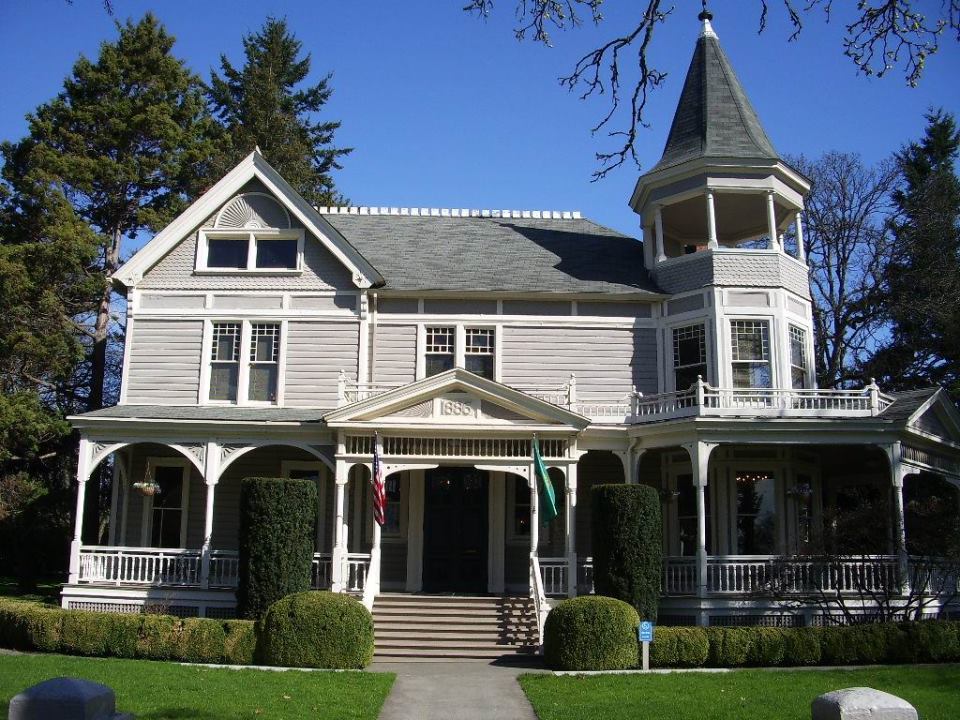
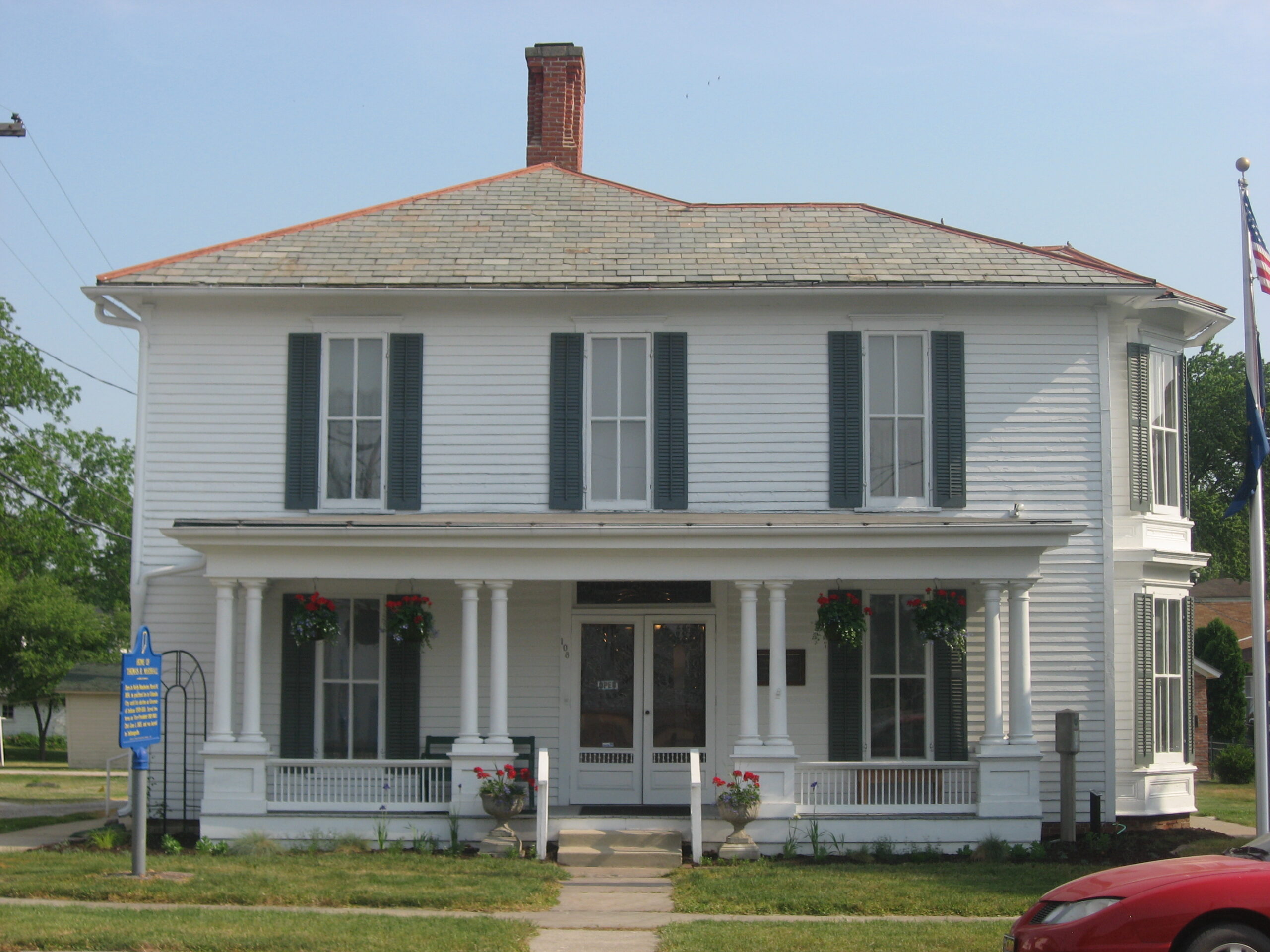
    Marshall House, built in 1886, is named for George C. Marshall, who later became a central figure in American military and diplomatic history. The house stands as a reminder of the officers who served here before and after him. Its later use and interpretation help visitors understand the post’s long timeline.

    Marshall’s later career included serving as Army Chief of Staff during World War II and serving as Secretary of State, where he launched the European Recovery Program known as the Marshall Plan. Those accomplishments shaped the postwar world. Visitors can connect the house to those larger events.

    Can Visitors Go Inside Either House?

    Access to both houses depends on current management, staffing, and preservation needs. Some historic homes open for scheduled tours or exhibits, while others remain closed to the public. Check with the managing organization in advance before you plan a visit inside.

    Exterior viewing is usually possible, since both homes can typically be seen from public walkways. Stay on public paths and respect privacy at neighboring residences. Photos from the street are a good way to capture architectural details. Ask about public events that sometimes open the grounds for special programs.

    How Do the Two Houses Compare?

    Grant House is older and reflects an earlier phase of frontier army life, while Marshall House dates to the late nineteenth century. Both show how officers’ housing changed with the post’s needs. Comparing them side by side gives a clearer sense of the changes across decades.

    Notice differences in scale, roof lines, and window placement. Earlier structures often feel simpler, while later homes show more decorative detail. These contrasts make a walk along the row feel like a timeline. Think of the row as a set of stories rather than a single lesson.

    What Should You Remember Before Your Visit?

    Plan a short walk that includes both houses, and allow about thirty minutes to see them from the outside. Check hours for any interior tours before you leave home. Bring water and comfortable shoes, since the sidewalks and grounds involve some walking.

    Visit the nearby Fort Vancouver site to see how the army post grew beside the fur trade fort. Combine both stops for a richer understanding of local history. Respect posted signs and keep noise low near the homes. Give yourself a moment to read each sign before moving on.

    Frequently Asked Questions

    Who was Ulysses S. Grant?

    Ulysses S. Grant was a Union general during the Civil War who later served as the eighteenth president of the United States. Before those roles, he was an army officer stationed in the Pacific Northwest in the early 1850s. Grant House connects visitors to that early chapter of his career, a chapter many visitors do not expect.

    Who was George C. Marshall?

    George C. Marshall was a U.S. Army officer who served as Army Chief of Staff during World War II. He later became Secretary of State and led the postwar European Recovery Program, known as the Marshall Plan. He received the Nobel Peace Prize in 1953 for his efforts.

    Is it worth visiting both houses in one trip?

    Yes, if your time allows. The houses sit close together on the same street, so a single walk covers both. Many visitors find that seeing them back to back helps them compare architecture and history. Plan extra time for reading signs, taking photos, and walking the nearby grounds.

  • The Vancouver Land Bridge and the Confluence Project Explained

    The Vancouver Land Bridge and the Confluence Project Explained

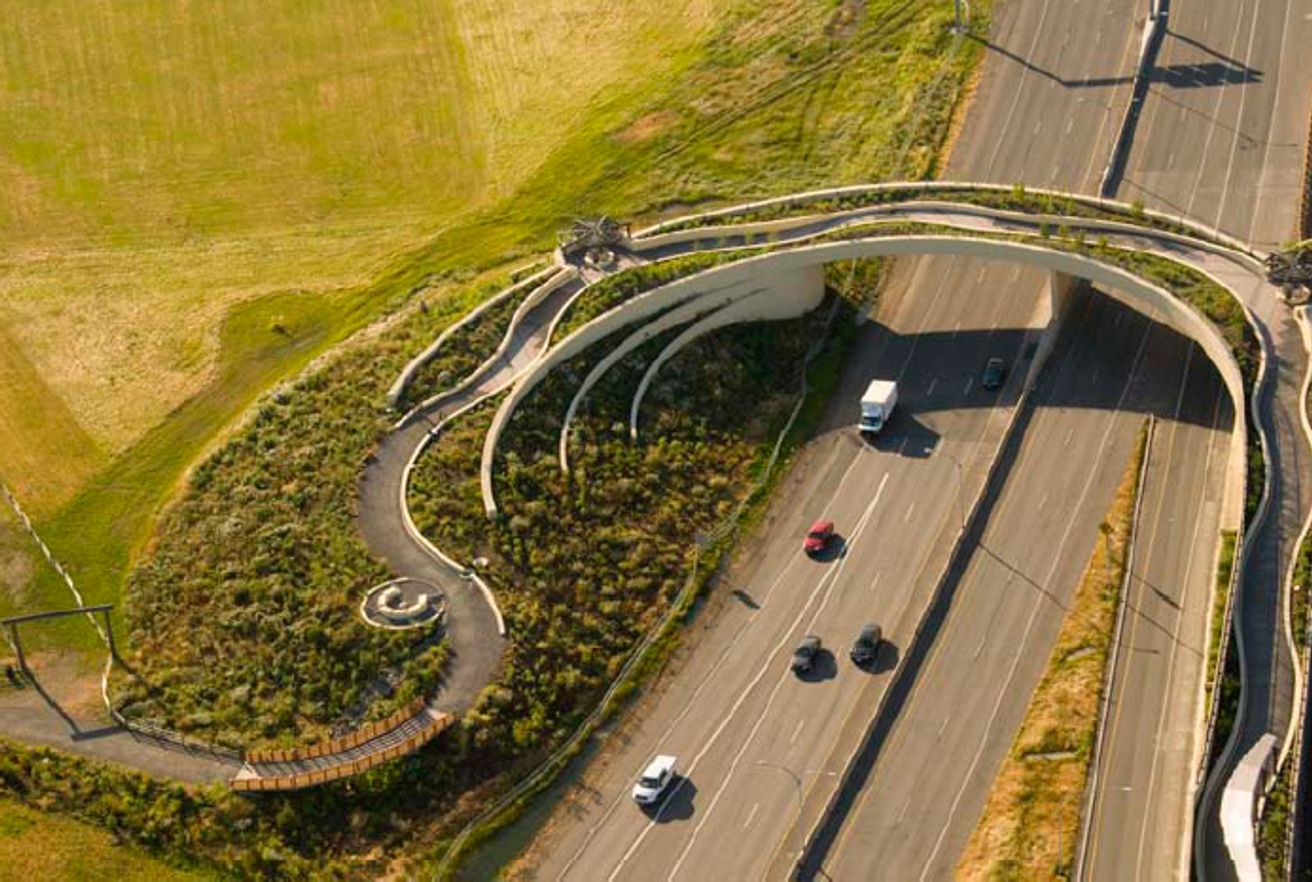
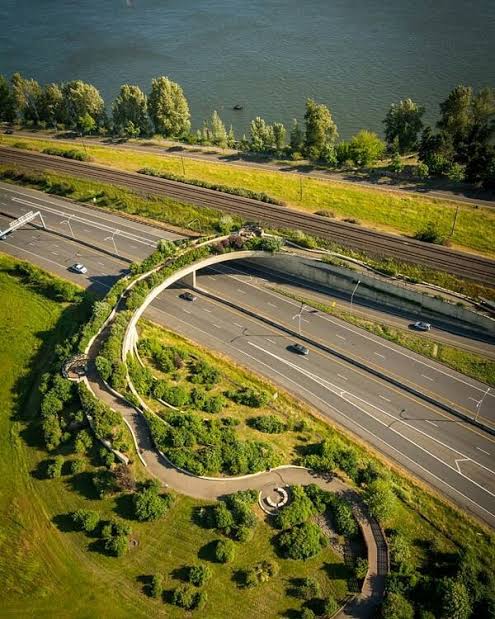
    The Vancouver Land Bridge is a landscaped crossing that reconnects downtown with the Columbia River waterfront over State Route 14. The Confluence Project is a set of public artworks linked to the Lewis and Clark expedition, and it helps explain the region’s river history. Check current access and event schedules before you visit, since construction and programs can change.

    Why Was the Land Bridge Built?

    The land bridge was designed to reconnect downtown Vancouver with the river after a highway cut the two apart. Highways can divide neighborhoods, making walking routes longer and less pleasant. Crossing structures like this one help people reach the waterfront on foot or by bike while the traffic below continues.

    Urban planners often use this approach to repair gaps left by major roads. Traffic keeps moving underneath, and people gain a continuous route over the top. The land bridge is best understood as a connection, not only a park.

    What Can You See on the Land Bridge?

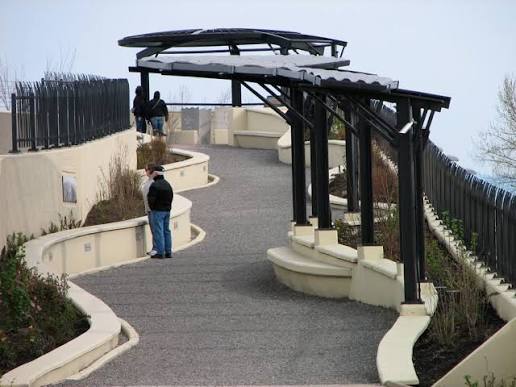
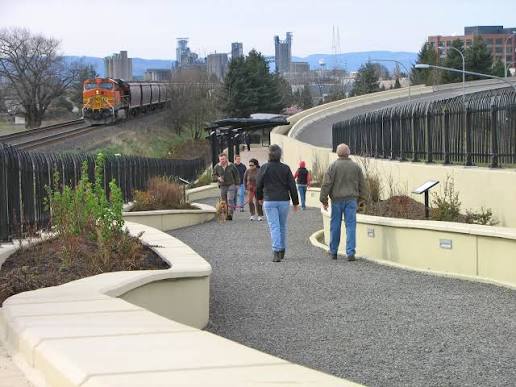
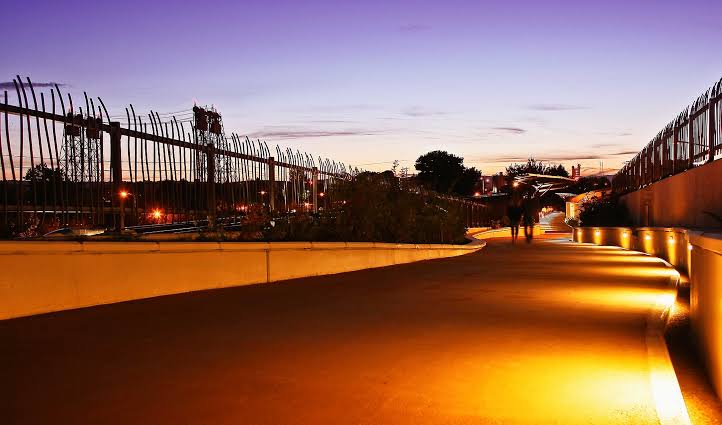
    The crossing offers views over the highway and toward the waterfront. Plantings and design features give the structure a park-like feel. Walking across takes only a few minutes at an easy pace, but many people stop to watch the traffic and boats.

    Look for any interpretive elements that connect the landscape to the region’s Indigenous history and river life. Signs and artwork may point out features that are easy to miss from the road. Take your time and read them, since the story is part of the experience.

    What Is the Confluence Project?

    The Confluence Project is a regional public art initiative with sites across the Pacific Northwest, linked to the Lewis and Clark expedition of 1804 to 1806. Artworks invite visitors to reflect on the journey and the people who lived along these waterways. The project remains a useful starting point for understanding the area’s river history.

    Vancouver’s land bridge is widely associated with the project, and other installations are spread along river routes. The project is less about a single monument and more about a route you can explore. Check current maps and site locations, since availability can change over time.

    How Does the Project Connect to Local History?

    The project links the Lewis and Clark journey to the Native peoples who lived along these rivers for thousands of years. Explorers passed through a landscape already rich with trade routes, villages, and seasonal camps. Understanding that context gives the expedition a fuller meaning.

    Chinookan communities were active traders along the lower Columbia when the expedition arrived. Their knowledge of the river shaped travel and exchange long before the fur trade and settlement. Many visitors are surprised to learn how established the region already was.

    What Should You Know Before Visiting?

    Plan to walk or bike, since the land bridge serves pedestrians and cyclists best. Parking is typically available in nearby downtown lots and on streets, though availability varies. Check the city’s current information for any closures or construction work. Give yourself enough time to enjoy the walk.

    Weather matters on any open crossing. Bring a light rain jacket, sun protection, or layers depending on the season. Wind can be strong near the river, so secure hats and loose items. If you plan to photograph the crossing, morning light often gives softer shadows, though weather decides the final result.

    How Can You Make the Most of Your Trip?

    Combine the land bridge with a walk along the waterfront and a stop at a nearby historic site. This pairing shows both the modern city and its older roots. Plan your visit around a time when the light is good for photos and the paths are less crowded.

    Read the signs slowly and think about how the crossing changed the neighborhood. Consider sketching the view or jotting down a question to research later. Small habits like these turn a quick walk into a memorable lesson.

    Frequently Asked Questions

    Is the Vancouver Land Bridge free to use?

    Public crossings like this one are generally open without charge, but it’s wise to confirm current rules. Some events or programs in the area may involve fees. Rules for events and bicycles can differ, too. Check the city’s website or call ahead before you plan your day.

    Can I bring a bike across the bridge?

    The land bridge is generally designed with walkers and cyclists in mind, so bikes are often welcome. Ride at a walking pace near crowds, and yield to people on foot. Check posted signs, since rules can vary by section and by season.

    Do I need to know the history to enjoy it?

    No, you can enjoy the views and walk without prior knowledge. Still, a little background makes the signs and art more meaningful. Reading a short overview of the Lewis and Clark journey and the region’s Indigenous history before you visit can help. The experience works on many levels.

  • A Self-Guided Historic Walking Tour of Downtown Vancouver WA

    A Self-Guided Historic Walking Tour of Downtown Vancouver WA

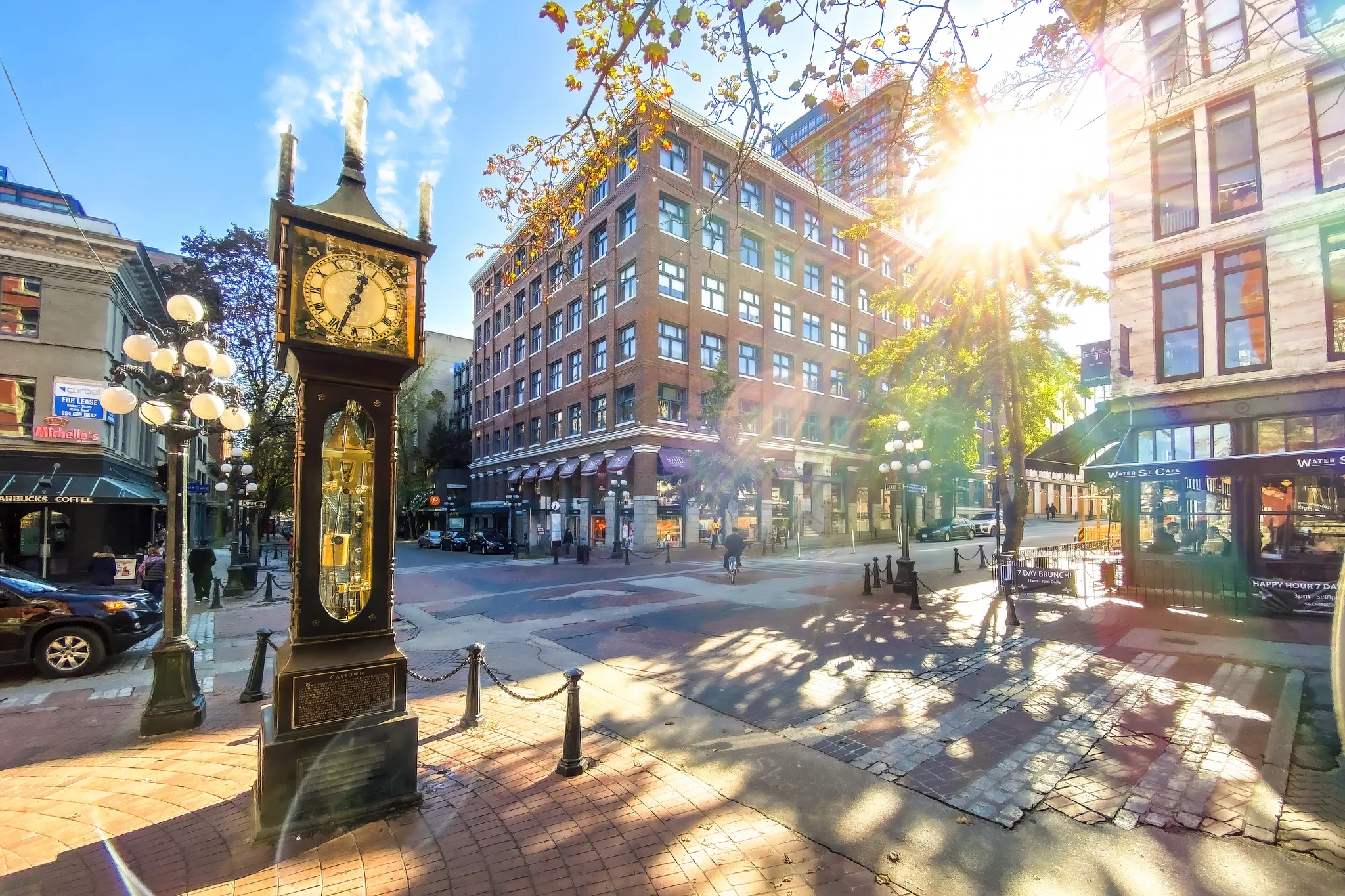
    Downtown Vancouver offers an easy walking tour that links parks, historic storefronts, and a restored theater in one relaxed route. Start at Esther Short Park, then follow Main Street and nearby streets at your own pace. Plan about an hour, plus time for stops, and check opening hours for any building you want to enter.

    Where Should You Start the Tour?

    Start at Esther Short Park, which is widely described as the oldest public park in Washington state. The park’s central location makes it a natural meeting point for the rest of the route. Look for any historic markers or plaques near the paths, and read them before moving on.

    The park dates to the mid-1800s, which makes it a good first stop for understanding how the city grew. Early settlers and merchants helped shape the blocks around it. Take a few minutes to sit, look around, and picture the town as it was. Look up at upper floors, too, because older details often sit above street level.

    Which Historic Buildings Line Main Street?

    Main Street holds a mix of older commercial buildings and newer storefronts, showing how the downtown changed across generations. Look for upper-floor windows, decorative trim, and rooflines that reveal earlier building styles. A slow pace lets you spot details that drivers miss.

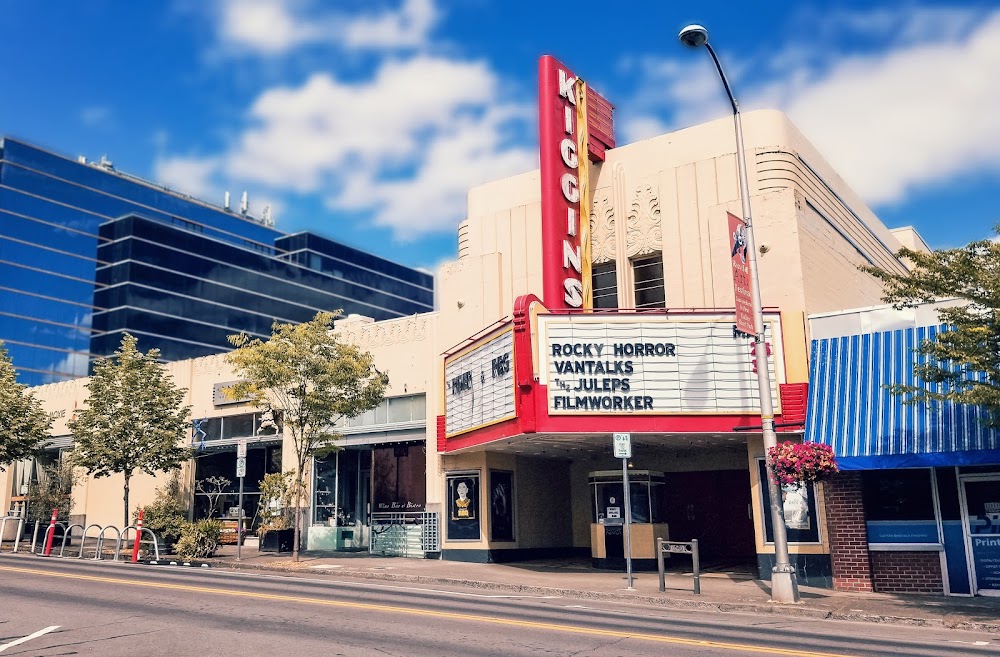
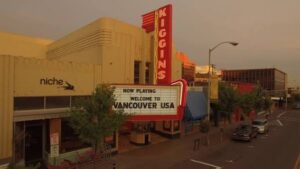
    The Kiggins Theatre is one of the most recognizable landmarks downtown. It opened in 1936 and has since been restored as a community venue. Check its schedule before you go, since shows and tours vary. Admire the front of the building from the sidewalk even if you don’t plan a show.

    What Else Stands Out Along the Route?

    Along the route you will see a range of civic and community buildings, along with older homes and newer shops. Local museums add context, and the Clark County Historical Museum is a short detour from the main street. Choose a few stops that match your interests rather than trying to see everything.

    Downtown Vancouver also includes shops, cafes, and small businesses that give the area its everyday character. Ask staff at the museum or local shops for their favorite spots. Locals often know which corners hold the best stories.

    How Long Does the Walk Take?

    A relaxed self-guided walk usually takes about an hour without indoor stops, and longer with museum visits or a theater tour. Plan for comfortable shoes and extra time for photos. Measure your pace by stops rather than distance, since routes can be adjusted.

    Set your own schedule and sit when you need to. Downtown sidewalks are mostly level, though older buildings can have steps or narrow entries. Check conditions after rain, when some surfaces get slick. Carry a bottle of water, since the route has no fixed rest stops.

    What Should You Bring and Know?

    Bring water, a map or offline route, and a light layer for changing Pacific Northwest weather. Parking includes lots and street spaces, but time limits often apply. Check signs carefully, since rules can change between blocks. Allow extra time if you need curb ramps or elevators, and check ahead.

    Restrooms and cafes vary by building, so plan a stop before you start the walk. Please respect local businesses by keeping noise down and keeping doorways clear. Dress for the forecast and carry a small umbrella if rain is likely.

    How Can You Turn the Walk Into a Full Outing?

    Pair the walk with a visit to the waterfront or a nearby historic site to extend your day. Stop at the Vancouver Land Bridge if you want to see how the city reconnected to the river. Plan lunch or coffee breaks along the route, since that gives your feet a rest and adds local flavor.

    Finish where it suits your plans: the waterfront, a park bench, or the route back to your car. Share what you learned with a friend, and consider returning in another season to notice how the streets change.

    Frequently Asked Questions

    Is the walking tour suitable for kids?

    Yes, many families find the route manageable with a few breaks. Short stops at the park and along Main Street keep younger walkers engaged. Bring snacks and water, and let children pick one landmark to explore in detail. Plan on a relaxed pace.

    Is the walk accessible for wheelchairs and strollers?

    Downtown sidewalks are mostly level, which helps. Older buildings may have steps, narrow entries, or uneven thresholds, so check the entrance before going inside. Curb cuts and elevator access vary, so plan your route in advance using current city information. Plan extra time.

    Is there a cost for the self-guided walk?

    Walking the public sidewalks and visiting parks is generally free. Some indoor attractions, shows, or guided programs may charge admission. Check each site before you go, since prices and free days can change. Plan a small budget for coffee or lunch if you stop along the way.

  • The Hudson’s Bay Company and the Founding of Vancouver WA

    The Hudson’s Bay Company and the Founding of Vancouver WA

    Vancouver, Washington grew out of Fort Vancouver, the Hudson’s Bay Company’s major trading post on the Columbia River, founded in 1825. The company’s fur trade network, its farms, and its leaders shaped the early settlement that became the city. Understanding that company history explains why the town sits where it does.

    What Was the Hudson’s Bay Company?

    The Hudson’s Bay Company is one of the oldest trading companies in North America. King Charles II granted it a royal charter in 1670, giving it control of trade across a vast region of North America. Its traders built a network of posts that stretched across much of what is now Canada and the northwestern United States.

    The company’s business centered on fur, especially beaver pelts used to make hats and clothing. Its agents traded with Indigenous nations for pelts, goods, and food. Those relationships were central to the company’s success, and they shaped the region’s history in lasting ways.

    The company’s charter and trade network gave it wide influence, but its success depended on partnerships and logistics as much as on force.

    Why Was Fort Vancouver Built?

    Fort Vancouver was established in 1825 as the Hudson’s Bay Company’s regional headquarters for the Columbia Department. The Columbia River offered a central route for moving goods, furs, and supplies. Its location let the company manage trade across a large territory from a single base.

    Dr. John McLoughlin led the post as chief factor for many years. He oversaw farming, trade, and relations with local peoples, and he shaped the fort’s daily operations. Historians still debate his legacy, so read multiple sources before forming a view.

    How Did the Fort Shape the Local Economy?

    The fort anchored a wider economy built on fur, farming, and shipping along the river. Workers grew crops and raised livestock to feed the post and trade partners. This mix of activities made the site a hub of commerce long before towns appeared on the surrounding land.

    Fort Vancouver’s farms and gardens supplied food to the post and beyond. Its workforce came from many backgrounds, including French Canadian, Iroquois, Hawaiian, and local Indigenous communities. Interpretive programs at the national historic site explore that diverse community today.
    How Did the Company’s Role Change Over Time?

    The 1846 Oregon Treaty set the border at the 49th parallel, which placed Fort Vancouver south of the new international line. The company moved its headquarters north to Fort Victoria in 1849. The U.S. Army soon established Vancouver Barracks at the site.

    Historians often describe 1849 as a turning point, when the fur trade’s center shifted and American settlement accelerated. Settlers began farms and businesses that gradually replaced the trading economy.

    What Can Visitors See Today?

    Fort Vancouver National Historic Site preserves reconstructed buildings, interpretive exhibits, and archaeological features that tell the fort’s story. Visitors can walk the grounds and learn about the company’s trade networks. Check the official National Park Service information for hours and current programs before you visit.

    Officers Row and the Old Apple Tree Park also connect to this story, though in different ways. Officers Row reflects the army era that followed the company, while the park’s tree is tied to the company’s gardens in local tradition. Plan a route that fits your schedule.

    How Can You Learn More About the Company?

    Start with a good general history of the Hudson’s Bay Company, then compare it with local accounts from the fort and the region. Local libraries, museums, and national park staff can point you to reliable sources. Reading widely helps you separate documented facts from popular stories.

    Consider the company’s history from several viewpoints, including Indigenous perspectives and the experiences of the workers who lived at the fort. Those voices add depth that single-author histories can miss. Visit the fort’s exhibits with questions in mind, and you’ll leave with a richer view of the region. Local museum exhibits and national park talks often cover these themes in more depth.

    Frequently Asked Questions

    Did the Hudson’s Bay Company found Vancouver WA?

    Not exactly. The company founded Fort Vancouver in 1825, and the town grew around that trading post over the following decades. Settlers, the U.S. Army, and local businesses also shaped the city’s development. Fort Vancouver is best described as the seed of the community, not a single founding event.

    Why was the fort named after Captain George Vancouver?

    The name honors the British naval officer who explored the Pacific Northwest coast in the early 1790s. Captain George Vancouver charted much of the region’s coastline. The company chose his name for its new post, and the city later adopted the same name.

    Can I see evidence of the fur trade today?

    Yes, though the evidence is mostly interpretive rather than original. Reconstructed buildings, archaeological displays, and exhibits explain how the fur trade worked. Check current access and hours with the national historic site before your visit, since some displays may change seasonally.

  • The Best Dog-Friendly Parks and Trails in Vancouver WA

    The Best Dog-Friendly Parks and Trails in Vancouver WA

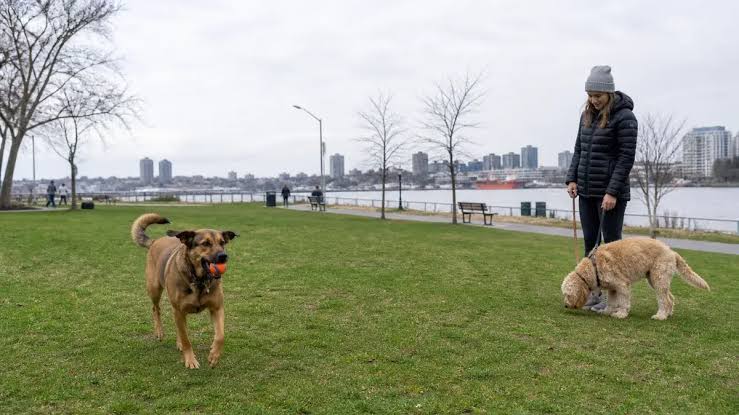
    Vancouver, Washington has plenty of places to walk a dog, from paved creek trails to wooded parks and riverside paths. Most sites require a leash, and rules vary by park and season. Before you go, check current pet policies and bring water, waste bags and a sturdy leash.

    What Makes a Park Dog-Friendly in Vancouver?

    A dog-friendly park usually offers clear pet rules, room to walk and easy waste disposal. Leash requirements are common on city and county land, so bring a leash even when your dog is well trained. Always confirm current rules before you visit.

    Look for shaded paths, water access and nearby parking. Some parks restrict pets in sports fields, playgrounds or swimming areas, even when dogs are allowed elsewhere on the property.

    Good dog spots have easy-to-read signs and enough room for dogs to move safely around other visitors. Quiet trails suit nervous dogs, while open areas may suit energetic dogs who need to run.

    Which Trails Work Well for Walking Dogs?

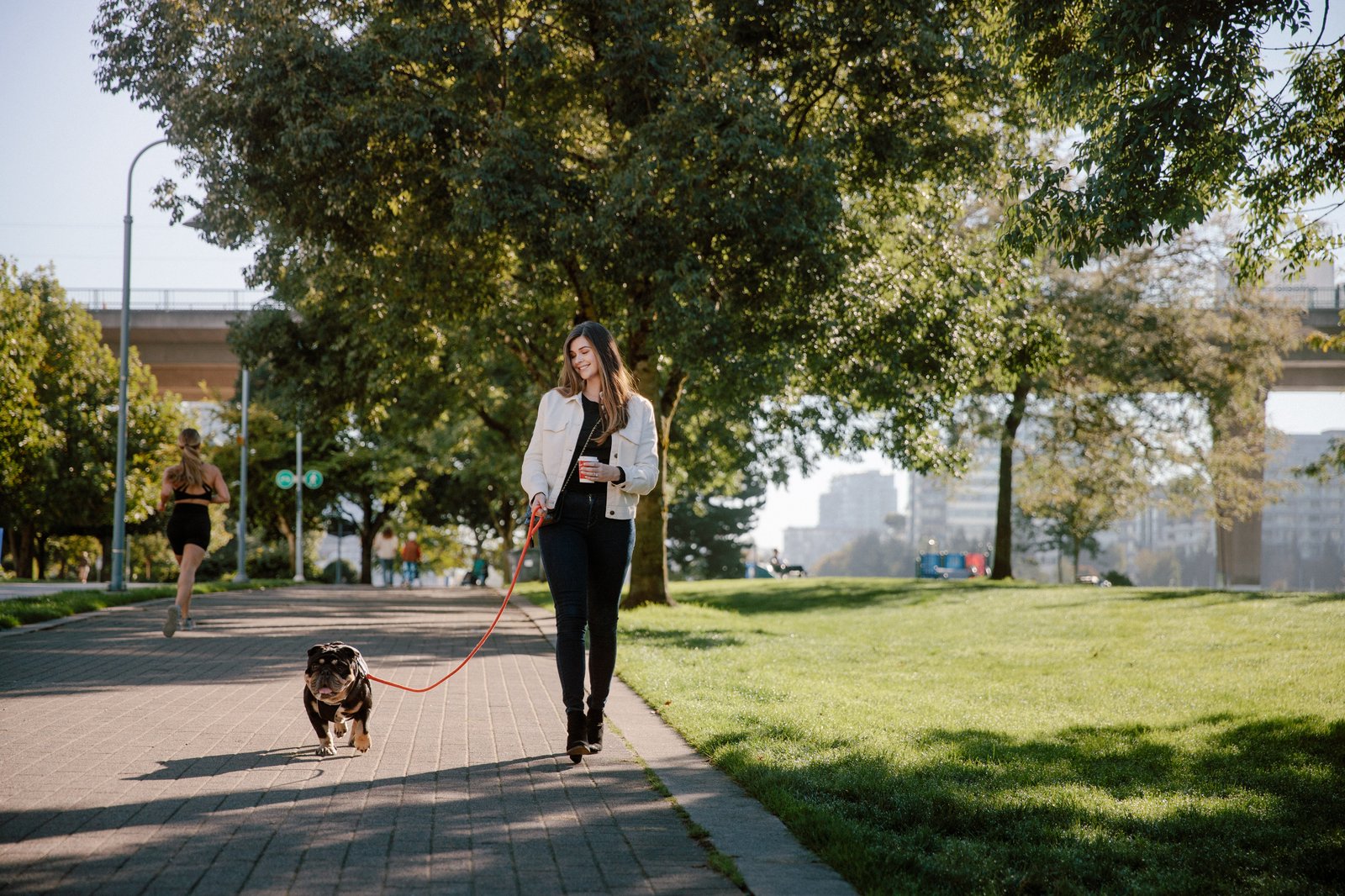
    Paved trails such as the Burnt Bridge Creek Trail and the Salmon Creek Greenway suit many dogs on a short leash. These routes offer steady footing and frequent access points. Keep your dog to one side and yield to cyclists and runners.

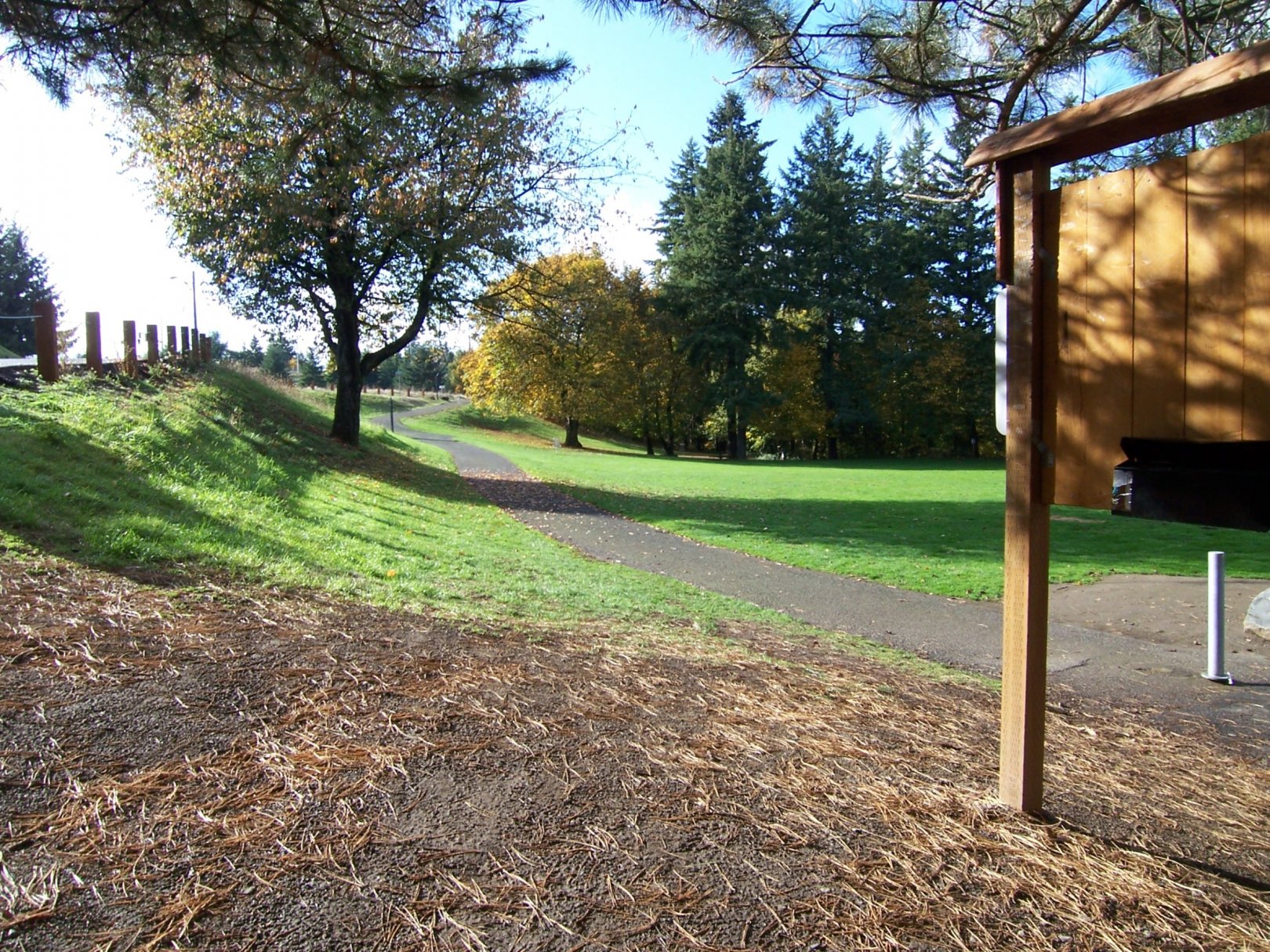
    Wooded parks such as David Douglas Park offer shade and softer footing, though roots and loose gravel can challenge some dogs. Pack extra water for warm days, and check each trail’s current pet policy before heading out.

    If your dog loves to sniff, plan slower walks with time for exploring. Sniffing is calming and mentally tiring, which often helps dogs settle down after a walk.

    Where Can Dogs Enjoy Water Time?

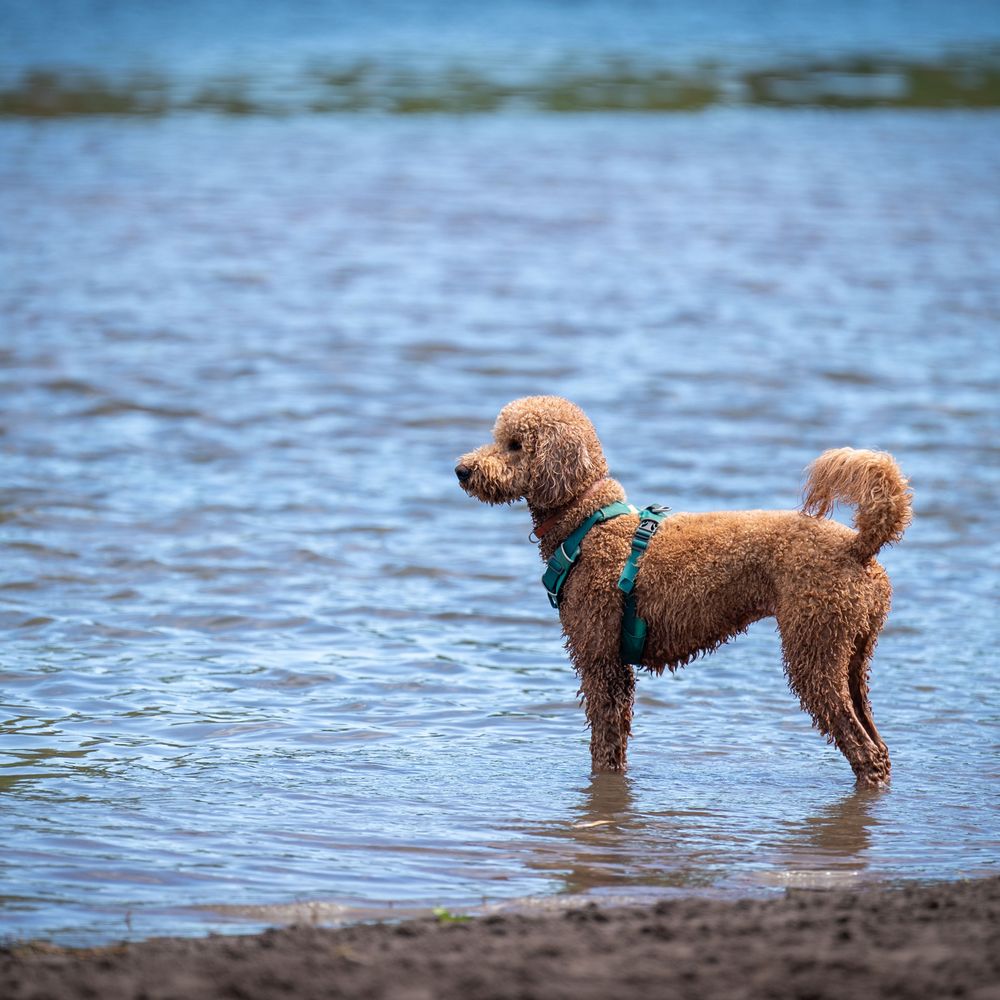
    Vancouver Lake and Columbia River beaches can be fun for dogs, but water rules and conditions differ by site. Dogs should always be supervised near water. Check whether pets are allowed in swimming areas, since some beaches restrict dogs during busy seasons.

    Cold river currents can tire dogs quickly. Rinse your dog off after swims to remove sand, algae and salt. Keep dogs away from wildlife and posted closure areas.

    Gravel and asphalt can get hot in summer, so test the surface with your hand before your dog walks on it. Paw pads can blister quickly on hot pavement, so choose shade or grass when possible.

    What Should You Pack for a Dog Outing?

    Bring water, a collapsible bowl, waste bags, a leash and a towel. Pack a small first aid kit that includes gauze and tweezers for paw issues. A cooling pad or light vest helps during summer heat.

    Ask your veterinarian about a plan for heat, ticks and parasites before summer visits, since local risks vary across the region.

    Keep your dog’s vaccinations and ID tag current. Bring treats for recall practice, and carry a recent photo in case your dog gets separated from you.

    How Can You Keep Visits Respectful?

    Respectful visits protect your dog, other visitors and local wildlife. Pick up waste every time, keep leashes short in crowded areas, and avoid letting dogs approach strangers without permission. Respect posted closures and seasonal restrictions.

    Off-leash areas, where available, require strong voice control. If your dog is not reliable off leash, keep the leash on. Always ask before letting your dog greet another dog.

    Carry poop bags on your leash so you never have to hunt for supplies in the middle of a walk. Speak up when your dog needs space, with a friendly line such as ‘we need a moment.’

    Are Puppies and Senior Dogs Welcome Too?

    Puppies and senior dogs need extra care on busy paths. Keep young dogs away from crowds until their vaccinations are complete, and give older dogs shorter, flatter routes. Check with your veterinarian before long hikes, especially for dogs with joint or breathing concerns.

    Puppies also need frequent breaks and gentle introductions to new sights and sounds. Choose quiet times for early training walks, and reward calm behavior with treats. Senior dogs often appreciate paved paths and frequent water breaks in shade.

    Frequently Asked Questions

    Are dogs allowed on Vancouver’s city trails?

    Most city and county trails allow dogs on leash, but rules vary by location. Some natural areas and wildlife sites restrict pets to protect habitat. Check the current policy for each trail before you go, and follow posted signs at trailheads. Plan for a short leash on most routes.

    Do I need to pick up dog waste?

    Yes, you should always pick up after your dog in public parks and trails. Local rules typically require it, and waste left on paths harms water quality. Bags may not be available at every site, so bring your own. Dispose of waste in designated trash containers, never in natural areas or water.

    What if my dog is nervous around other dogs?

    Choose quiet times, such as early mornings or weekday afternoons, when parks are less busy. Keep distance from unfamiliar dogs and hold a leash with a firm, steady grip. Choose a shorter walk on a familiar route. A professional trainer can help build confidence over time.

  • Leverich Park and Klineline Pond: Family Outdoor Spots in Vancouver WA

    Leverich Park and Klineline Pond: Family Outdoor Spots in Vancouver WA

    Leverich Park and Klineline Pond give Vancouver, Washington families two easy outdoor options. One offers open space and play areas, while the other adds a pond path and a fishing area. Plan a half-day outing, pack snacks and check current park rules before you go.

    What Can Families Do at Leverich Park?

    Leverich Park is a neighborhood park in Vancouver with open lawn space, play areas and room for family picnics. It suits young children who need space to run and older kids who want a casual game. Its open layout makes it easier to keep an eye on little ones. Confirm current amenities on the city map.

    If the weather is warm, plan your visit for the morning or late afternoon. Midday sun on open lawns can wear out little ones quickly.

    Parents often pack a ball, bubbles or a kite for open-field afternoons. Sun protection matters on exposed lawns, so bring a hat and water. Note the nearest restroom before you settle in.

    Pick a shaded spot early, since the sun shifts across open lawns during the afternoon. Bring extra wipes for little hands after snacks and play.

    What Is Klineline Pond Like for Visitors?

    Klineline Pond is a small pond in Clark County with a walking path and a fishing area. Families visit for a short outdoor walk and a chance to see pond life up close. Shoreline paths let you watch waterfowl from a comfortable distance.

    Washington requires most anglers age 15 and older to hold a valid fishing license, so verify current rules through the state wildlife agency. Pond edges can be slippery, so supervise young children closely. Keep food scraps out of the water to avoid attracting waterfowl.

    Keep fishing gear bagged when it’s not in use, so little hands don’t tangle hooks. Set a simple rule that children stay on the path while adults fish.

    What Should Families Bring for a Pond or Park Visit?

    Bring water, snacks, sunscreen, bug repellent and a light jacket. A small first aid kit handles scrapes, bee stings and blisters. Pack a bag for trash and wet clothes, since children often return from pond edges muddy.

    Strollers handle paved paths well, while gravel or grass may slow them down. Bring a blanket for picnics and a spare set of clothes for kids. Keep a backup plan in case the weather turns.

    Are the Parks Accessible and Where Is Parking?

    Parking at neighborhood parks and ponds varies, so check current signs before you arrive. Paved paths and firm surfaces make access easier for strollers and wheelchairs. Check the city or county map for current accessible routes and marked parking spaces.

    Arrive early on sunny weekends, when lots can fill. Accessible parking spaces should be marked near entrances. If you need step-free access to the pond, ask the county which path is most suitable.

    Pick a meeting spot before you split up, so everyone knows where to go if someone gets separated. Show older children the spot on a map before you arrive.

    When Is the Best Time for a Family Outing?

    Late spring through early fall offers the most comfortable weather at both sites. Weekday mornings and late afternoons tend to be quieter, which suits younger children. Winter visits can work on dry days, though pond paths may be muddy.

    Weekend afternoons often bring more families and sports players. If you have the energy, plan a loop that covers both stops. Keep toddler outings short, with breaks for snacks and naps.

    If you’re visiting with a stroller, check the path surface before setting off. Gravel can slow progress and make the walk longer than expected.

    Frequently Asked Questions

    Do I need a fishing license for Klineline Pond?

    Most anglers age 15 and older need a valid Washington fishing license, so check the state wildlife agency for current rules. Some waters have special regulations, such as catch limits or gear restrictions. Confirm before you fish, since rules can change. Check the age requirements before bringing younger anglers.

    Are these spots good for toddlers?

    Yes, both locations can work well for toddlers who enjoy open space and gentle walks. Keep a close eye near the pond edge, and bring snacks and water for frequent breaks. Choose paved paths for strollers. Shorter visits help little ones rest and eat on schedule.

    Is there a fee to visit?

    Most neighborhood parks and walking areas do not charge entry fees, but some amenities or reserved spaces may. Check the city or county website for current policies before your visit. A fishing license is a separate requirement, so plan for it if you plan to fish.

  • Wintler Community Park: A Quiet Columbia River Beach in Vancouver WA

    Wintler Community Park: A Quiet Columbia River Beach in Vancouver WA

    Wintler Community Park offers a quieter stretch of Columbia River shoreline in Vancouver, Washington. It suits people who want water views, a slower pace and room to spread out. Plan a simple visit with water, sun protection and a clear idea of parking before you leave home.

    What Makes Wintler Community Park a Quiet Choice?

    Wintler Community Park tends to draw fewer crowds than busier riverfront spots, which gives visitors a calmer shoreline experience. Its open river views and beach area suit reading, picnics and slow walks. Weekday visits usually feel the most peaceful.

    Quiet parks come with trade-offs. Fewer nearby services can mean fewer restrooms, shade structures and food options. Pack what you need before you arrive, and plan to leave the area as clean as you found it.

    Quiet spots feel even calmer early in the morning, when the river is smooth and the air is still. A thermos of hot drink makes that early start more pleasant.

    Is the River Beach Safe for Swimming and Wading?

    Wading and swimming in the Columbia River carry real risks, including cold water, strong currents and sudden drop-offs. A life jacket is the safest choice for anyone entering the water. Children should stay within arm’s reach at all times.

    If conditions look rough, skip the water and enjoy the beach from dry sand. A good view and a snack still make a fine afternoon. Pack a light book or sketchpad if you want to slow down and watch the river.

    Water levels and currents shift with river flow and season, so conditions can differ from one visit to the next. Check current river conditions and avoid swimming alone. Stay away from logs and debris, which can roll or trap swimmers.

    Riverbanks can also hide soft mud and sudden drop-offs. Test the depth with your feet, step in slowly, and avoid diving or jumping.

    What Should You Pack for a Riverside Afternoon?

    Bring water, sunscreen, a hat and a light windbreaker, since river breezes can feel cool. Water shoes help on rocky or sandy edges. A folding chair or blanket gives you a comfortable spot on the beach.

    Pack a dry bag for phones and keys, plus a bag for trash. Insects can be active near the water in warm months, so bring repellent. A small first aid kit covers scrapes from rocks or shells.

    Where Should You Park and Is the Beach Accessible?

    Parking at Wintler can be limited on warm weekends, so arrive earlier if you want a spot near the entrance. Parking details vary, so read current signs and park information before you go. Sand and uneven paths can challenge wheelchairs and strollers.

    Ask the city or county about the most accessible route to the water if you have mobility needs. A folding beach chair with wide feet makes sitting on sand easier. Plan rest breaks and find shade before you settle in.

    Check the sand for sharp objects, broken shells or glass before you lay out a blanket. Shoes on the sand will spare little feet from unexpected scrapes.

    When Is the Best Time to Visit?

    Late spring through early fall offers the most comfortable beach weather. Late afternoons on summer weekends bring more visitors, so arrive earlier if you want quiet. Fall and winter visits can be peaceful, but check the weather and river conditions first.

    Sunrise and sunset light on the Columbia can be beautiful, though you should watch your footing near the water. Combine this stop with another riverfront visit for a relaxed day.
    Frequently Asked Questions

    Is Wintler a good place for a picnic?

    Yes, the park suits relaxed picnics on calm days, especially if you bring your own shade. Nearby amenities may be limited, so pack everything you need. Take all trash with you, keep food covered to discourage birds, and check current rules about grills or open flames before you light anything.

    Can I launch a kayak or paddleboard here?

    Launch rules for the Columbia River depend on location and local regulations, so check before you bring any watercraft. Strong currents and cold water make paddling risky for beginners. Always wear a life jacket and tell someone your plans before you head out on the water.

    Is parking free at Wintler?

    Parking rules can change, so verify current requirements before you arrive. Some lots may have time limits or seasonal rules. Watch posted signs carefully, and plan for a short walk if the closest spaces are full. The local parks office can confirm current details.

  • Columbia Springs: Nature Trails and Environmental Learning in East Vancouver

    Columbia Springs: Nature Trails and Environmental Learning in East Vancouver

    Columbia Springs is a nature site and environmental learning center in east Vancouver, Washington. Spring water feeds wetlands, woodlands and trails that suit quiet walks and hands-on learning. Plan a visit with comfortable shoes, check current hours and ask about programs before you go.

    What Is Columbia Springs?

    Columbia Springs is an environmental education site built around natural springs, wetlands and woodland habitat. Its trails and programs help visitors learn about local ecosystems and water. The site works well for families, students and anyone who wants a calmer outdoor experience close to the city.

    The springs are the heart of the property. Water seeps from the ground and supports plants and animals that depend on damp conditions. Stay on marked trails, since wetland soils can be fragile and easy to damage.

    Springs can make paths slick, so take your time on sloped or muddy sections. Good footing protects you and the plants that depend on the site’s delicate ground.

    What Trails and Habitats Can You Explore?

    The site offers trails that pass through wetland edges, shaded woods and open areas. Conditions change with the weather, so expect muddy spots after rain. Look for birds, amphibians and plants that thrive in damp, shaded habitats.

    Interpretive signs and staff can help you identify what you see. Pack a field guide or a plant identification app. Keep voices low, since quiet visitors often notice more wildlife.

    Stop every few minutes and simply listen. Many sounds, from birdcalls to rustling leaves, are easy to miss when you’re talking or walking fast.

    What Should You Bring for a Visit?

    Bring water, bug spray, a hat and waterproof shoes or boots. Trails can be wet and uneven, so grippy footwear matters. A small notebook or phone camera helps if you want to record the species you spot.

    Pack a snack and a trash bag. Leave natural objects such as rocks, plants and shells where they are. Dogs may not be permitted in every area, so check before you bring a pet.

    If you plan a longer visit, pack a snack and eat in an open area away from the main trail. That habit keeps food away from wildlife and keeps the trail clear for others.

    Is Columbia Springs Accessible and Where Can You Park?

    Parking details depend on the site’s current arrangements, so check the latest information before you go. Arrive early on busy days for the best chance at a spot near the entrance. Some trails are unpaved, so visitors with mobility needs should ask staff about the most accessible routes.

    Wheelchair and stroller users may find unpaved sections harder to navigate. Ask whether the education center has accessible restrooms and indoor space before your visit. Plan rest stops if you’re traveling with older adults or young children.

    If you’re leading a group, pick a meeting point near the entrance so everyone can regroup without confusion.

    When Is the Best Time to Visit?

    Spring brings active wildlife, fresh growth and pleasant walking weather. Early fall offers mild temperatures and quieter trails. Summer mornings work well too, while winter visits suit prepared visitors who don’t mind wet conditions.

    Program schedules change through the year, so check what’s running before you travel. Weekday visits are typically quieter. After your visit, you can explore other green spaces in east Vancouver.

    Many visitors make a morning of it, arriving early to enjoy quieter trails and cooler air before the day warms up.

    Frequently Asked Questions

    Is Columbia Springs good for school groups?

    Yes, the site is built around environmental education, which makes it a natural fit for school field trips. Teachers should contact the site in advance to confirm programs, group sizes and reservation rules. Plan for weather, restroom access and supervision. Structured programs often give students more than a casual walk.

    Do I need to book in advance?

    Some programs require reservations, while casual trail visits often do not. Requirements can change, so check the site’s current information before you go. If you’re bringing a group, contact the site ahead of time to confirm availability and any fees.

    What should I do if I see wildlife?

    Observe from a distance and avoid feeding or approaching animals. Use binoculars or a zoom lens instead of getting closer. If you find an injured animal, report it to site staff or a state wildlife agency rather than handling it yourself.

  • Marine Park and the Water Resources Education Center

    Marine Park and the Water Resources Education Center

    Marine Park sits along the Columbia River waterfront in Vancouver, Washington, and it pairs well with the Water Resources Education Center. Together they make an easy stop for families, students and anyone curious about local water systems. Plan a half day, check the center’s current hours and bring a light layer for river breezes.

    What Is Marine Park Known For?

    Marine Park is a waterfront green space on the Columbia River, offering lawns, paths and views of river traffic. It works well for picnics, relaxed strolls and simple family outings. The riverside location gives visitors a close look at the Columbia’s size and steady movement.

    Many people visit to watch boats and barges travel the river. The Columbia carries large amounts of freight, so ships are a regular sight. Bring binoculars if you want a closer look at birds on the water.

    Early mornings often bring calmer water and clearer views of passing boats. Weekend afternoons can feel busier, so plan for a relaxed pace and room to share the space.

    What Can You Learn at the Water Resources Education Center?

    The Water Resources Education Center is a public learning space focused on water, watersheds and how people use and protect local supplies. Its exhibits and programs are geared toward students and families. Check current exhibit listings and program schedules before you plan a visit.

    Hands-on displays help explain how rain moves through streams and eventually reaches the river. Visitors often leave with a clearer view of stormwater and conservation. Ask staff about school programs or community events if you’re visiting with a group.

    Many families find that hands-on exhibits hold children’s attention longer than a typical park walk. Bring a small notebook so kids can record one new fact from each display.
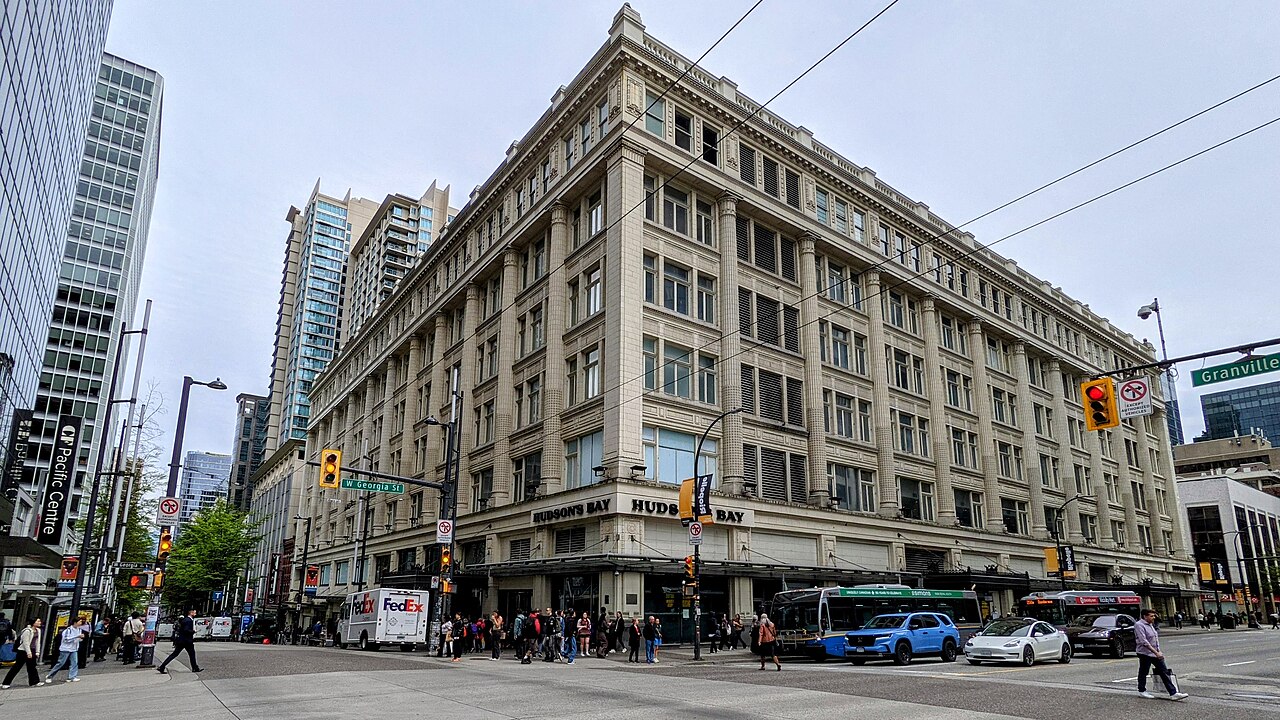
    How Long Should You Plan to Stay?

    Plan one to two hours if you focus on the center, then add time for a waterfront walk. A combined visit with a picnic can fill a half day. Families with young children should allow extra breaks for snacks and restroom stops.
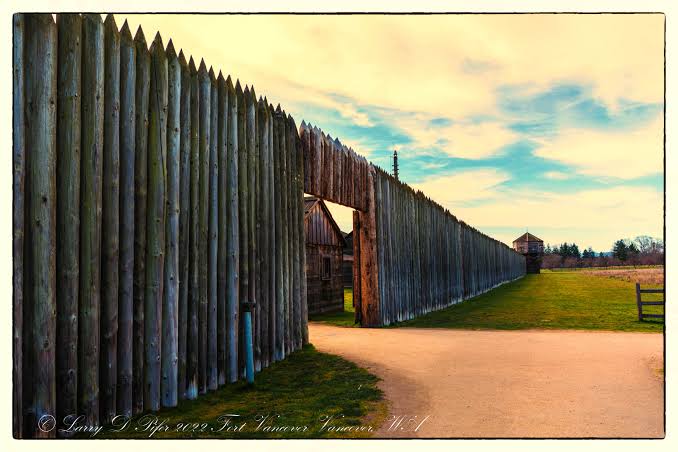
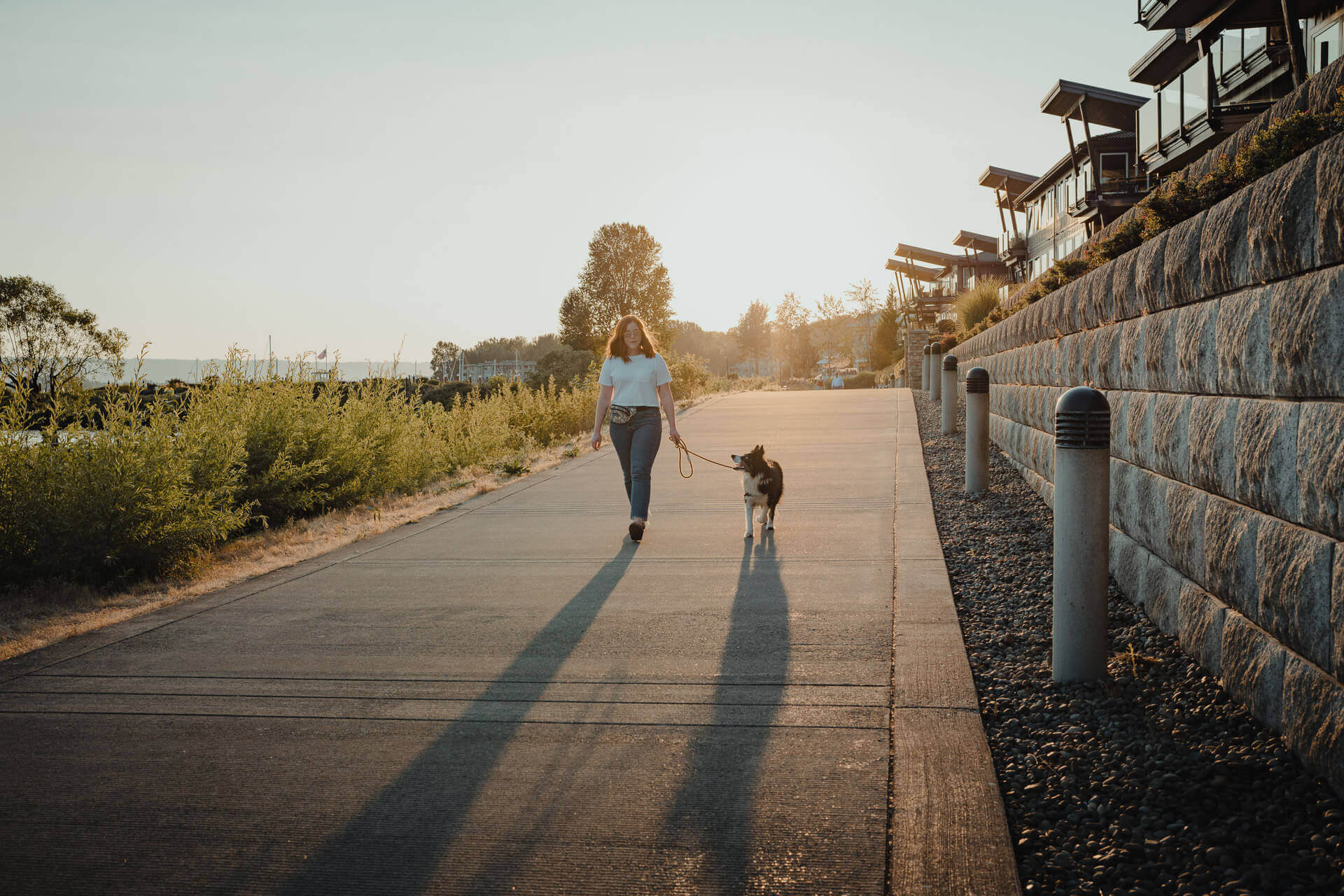
    Read the center’s current information before you go, since exhibit areas and programs can change through the year. Weekday visits often feel calmer than weekend trips.

    Where Should You Park and Is the Area Accessible?

    Parking near the waterfront is typically available in lots and on nearby streets, though spaces can fill on sunny weekends. Arrive early to find a spot close to the entrance. Paths along the water are generally paved, which helps wheelchair users and families with strollers.

    Check posted signs for time limits and permit zones. Accessible parking spaces should be marked near building entrances. Ask staff for the most direct route to the center if you need step-free access.

    Give yourself a few extra minutes to read posted signs and find the entrance without rushing. Arriving calm makes the visit more enjoyable for everyone in the group.

    When Is the Best Time to Visit the Waterfront?

    Late spring through early fall offers the most pleasant weather for waterfront time. Weekday mornings tend to be quieter, especially for visitors who want to take their time inside. Winter visits can still work for a short trip, but bring rain gear.

    River breezes can feel chilly even in summer, so pack a light jacket. Pair your visit with another stop along the Columbia shoreline. Notice how the river’s water level changes from season to season.

    The river’s flow shapes how the waterfront looks and feels, from high spring currents to calmer late-summer shorelines. A short visit can help you appreciate those changes.

    Frequently Asked Questions

    Is there a cost to visit the Water Resources Education Center?

    Admission and program fees can change over time, so confirm current details before you visit. Some educational programs may require registration in advance. The official center information page or a quick call to county staff will give you the latest answer.

    Can I bring a picnic to Marine Park?

    Picnics are generally welcome in Marine Park, but check for posted restrictions on grills, alcohol and large gatherings. Pack out all trash, use bins where provided, and keep food sealed to discourage gulls. Bring a blanket and sunscreen for open lawn areas, since shade can be limited.

    Is Marine Park good for birdwatching?

    The waterfront can be a good spot to see gulls, waterbirds and passing boats. Early mornings and calm days usually offer the best views. Bring binoculars and a field guide, and stay on paths so you don’t disturb nesting areas or wildlife along the shore.

  • David Douglas Park: Forest Trails in the Middle of Vancouver WA

    David Douglas Park: Forest Trails in the Middle of Vancouver WA

    David Douglas Park offers a shady, wooded retreat within the city of Vancouver, Washington. It takes its name from a Scottish botanist who explored the Pacific Northwest in the 1820s and 1830s. Plan a short walk, bring water and check the park map, since trail conditions can change.

    What Makes David Douglas Park Worth a Visit?

    David Douglas Park gives city residents a chance to walk among trees without leaving Vancouver. The wooded setting offers cooler air on hot afternoons and a quiet break from traffic. The park suits short walks, family picnics and relaxed time outdoors.

    The park’s name connects to a bigger story. David Douglas collected plant specimens across the Northwest, and the Douglas-fir is named in his honor. That tree remains one of the most common and commercially important conifers in the region.

    What Trails Can You Expect in the Park?

    Trails in David Douglas Park are generally short and suited to walkers and casual runners. Expect a mix of surfaces, which may include dirt, gravel or pavement. Check the official city parks map for current trail names, lengths and any closures before you set out.

    Forest paths can stay damp for days after rain. Roots may lift the surface, so watch your step. Stay on marked routes to protect plants and reduce erosion, and keep dogs on leash where required.

    Park maps and signs may mark seasonal closures, so check them when you arrive rather than relying on an old guide. Pick a loop that matches your time and energy before you start.


    What Should You Bring for a Forest Walk?

    Bring water, a snack and sturdy shoes with good traction. A light long-sleeve layer helps against sun and mosquitoes, while a rain jacket is smart during cooler months. Keep a small first aid kit in your pack for scrapes or blisters.

    Insect repellent is useful in wooded areas during warm months. Carry a trash bag so you can pack out everything. A phone with offline map access helps if you wander off a marked path.

    If you’re visiting with children, agree on a meeting spot and a simple rule about staying within sight. Wooded areas can make it easy to lose track of time, so set a turnaround time before you begin.

    Is the Park Accessible and Where Can You Park?

    Parking is usually available on nearby streets or in small lots, though capacity varies. Accessibility depends on the path you choose, since natural trails can be uneven and steep in places. Paved or firm-surface routes generally work best for wheelchairs and strollers.

    Ask the city about current accessible routes if you need them, and check the map for paved loops. Restrooms and water fountains may be limited, so plan around that. Arrive early on sunny weekends for the best chance at a close spot.

    If the nearest lot is full, look for legal street parking a short walk away, and read every sign first. A short walk from the car is a small price for a calm start to the trail.


    When Is the Best Time to Visit?

    Spring and early fall are often the most comfortable seasons for walking under the trees. Summer shade is welcome, but the paths may get busier on weekends. Winter visits work well on dry days, though trails can turn muddy.

    Early mornings tend to be quiet, and you may hear songbirds before the crowds arrive. Pair your visit with a stop at a nearby neighborhood park or the Columbia River waterfront for a fuller day.

    Bring a light jacket for shaded areas, since tree cover can feel cooler than open lawns even on warm days.

    Frequently Asked Questions

    Who was David Douglas?

    David Douglas was a Scottish botanist who collected plants across the Pacific Northwest in the 1820s and 1830s. His specimens and reports introduced many plant species to scientists and gardeners in Britain. The Douglas-fir bears his name, and the park honors his place in regional history. Local historical resources can tell you more.

    Are dogs allowed in David Douglas Park?

    Dogs are generally welcome when leashed, but posted signs and city rules control where pets may go. Some areas may restrict pets during events or in sensitive habitat. Check the City of Vancouver website for current guidance, and always pick up waste and carry water for your dog.

    Is parking free at the park?

    Parking rules for city parks can include time limits, permit zones and posted restrictions. Some nearby streets may require payment or special permits, so read every sign carefully. Check the City of Vancouver website for current guidance, and plan extra time to find a legal space.

  • The Salmon Creek Greenway Trail: An Easy Urban Nature Escape

    The Salmon Creek Greenway Trail: An Easy Urban Nature Escape

    The Salmon Creek Greenway Trail offers a quiet, green escape within easy reach of north Vancouver, Washington. It follows a creek through a corridor of trees and open space that feels far from busy roads. Go for a short walk, an afternoon bike ride or a family outing with minimal planning.

    What Is the Salmon Creek Greenway Trail?

    The Salmon Creek Greenway is a trail corridor that follows Salmon Creek through north Clark County. It links neighborhoods, parks and natural areas with a mostly paved path. Many visitors use it for walking, jogging and cycling without driving to a remote trailhead.
    The greenway suits people who want nature without a long hike. Songbirds and waterfowl often appear near the creek, especially in early morning. Bring binoculars if you enjoy birdwatching, and keep voices low near quieter stretches.

    Many visitors choose the greenway for a midday break, since it is easy to reach on foot or by bike. Quiet hours offer better chances to hear songbirds calling from the trees along the creek.

    What Wildlife and Scenery Can You Expect?

    The creek corridor supports birds, small mammals and plants that change through the seasons. Expect wetland edges, shade trees and open meadow stretches, depending on the section you choose. Early morning and dusk tend to bring the most animal activity, so arrive early for your best chance to spot something new.

    Spring brings wildflowers and nesting birds, while autumn leaves add warm colors to the trees. Summer is greener along the creek but can feel dry on open stretches. Pack a field guide or a bird identification app to name what you see.

    If you enjoy photography, bring a lens with some zoom, since many birds stay high in the trees. Patience matters more than gear on any wildlife walk.

    What Should You Bring for a Nature Walk?

    Bring water, sunscreen and a light rain jacket, since Pacific Northwest weather can change quickly. Wear shoes with good grip, because roots and wet soil can be slippery. A small pack with snacks and a trash bag keeps your outing clean and comfortable.

    Insect repellent helps during warm months near shaded, damp areas. Dogs need a leash and waste bags. If you plan a longer walk, let someone know your route before you leave.

    Where Should You Park and How Accessible Is the Trail?

    Trail access points are spread across several neighborhoods, so parking ranges from street spots to small lots. Choose the access point closest to your starting point to keep the walk short. Paved sections generally suit strollers and wheelchairs, while natural surfaces may be uneven.
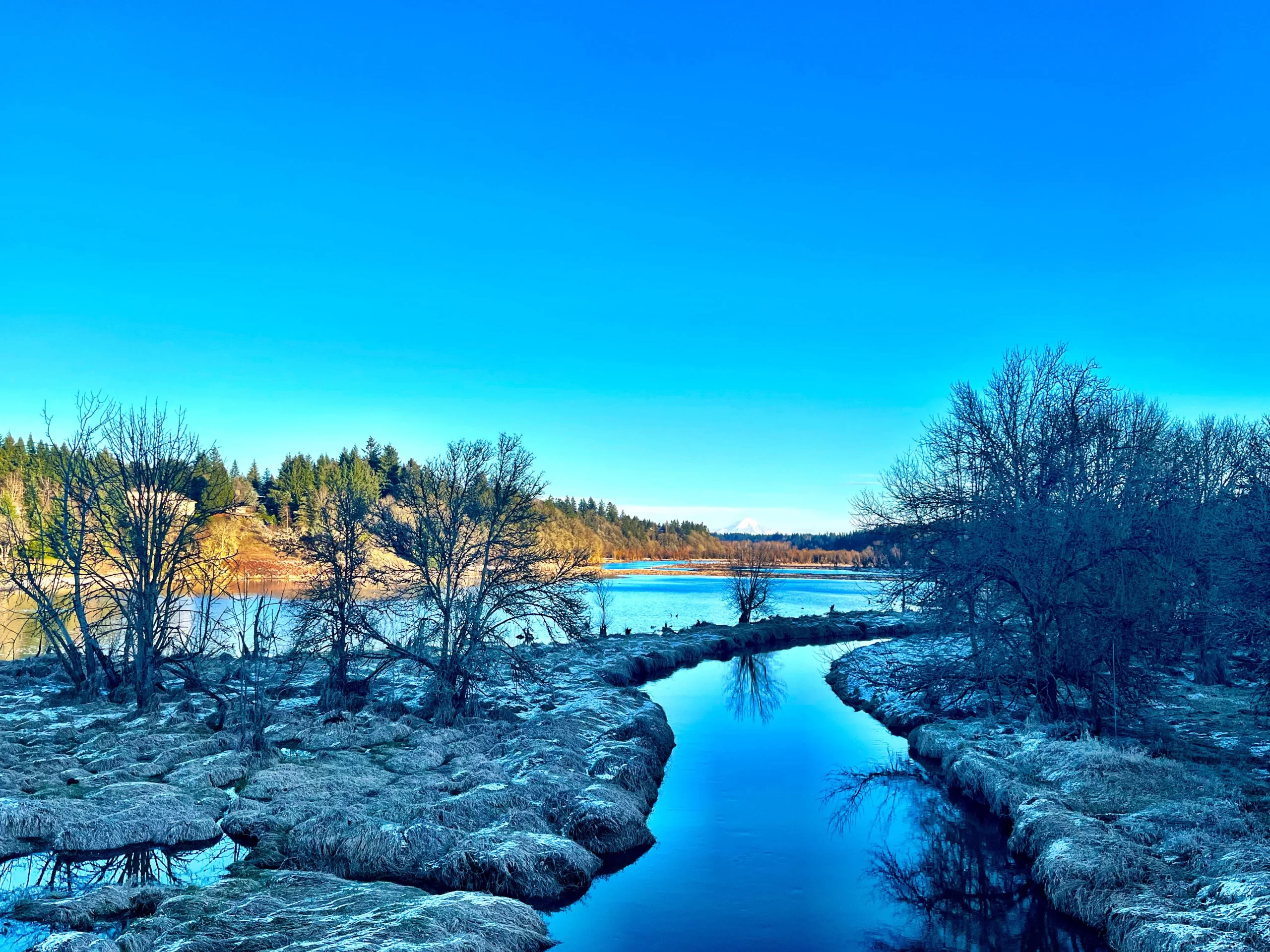
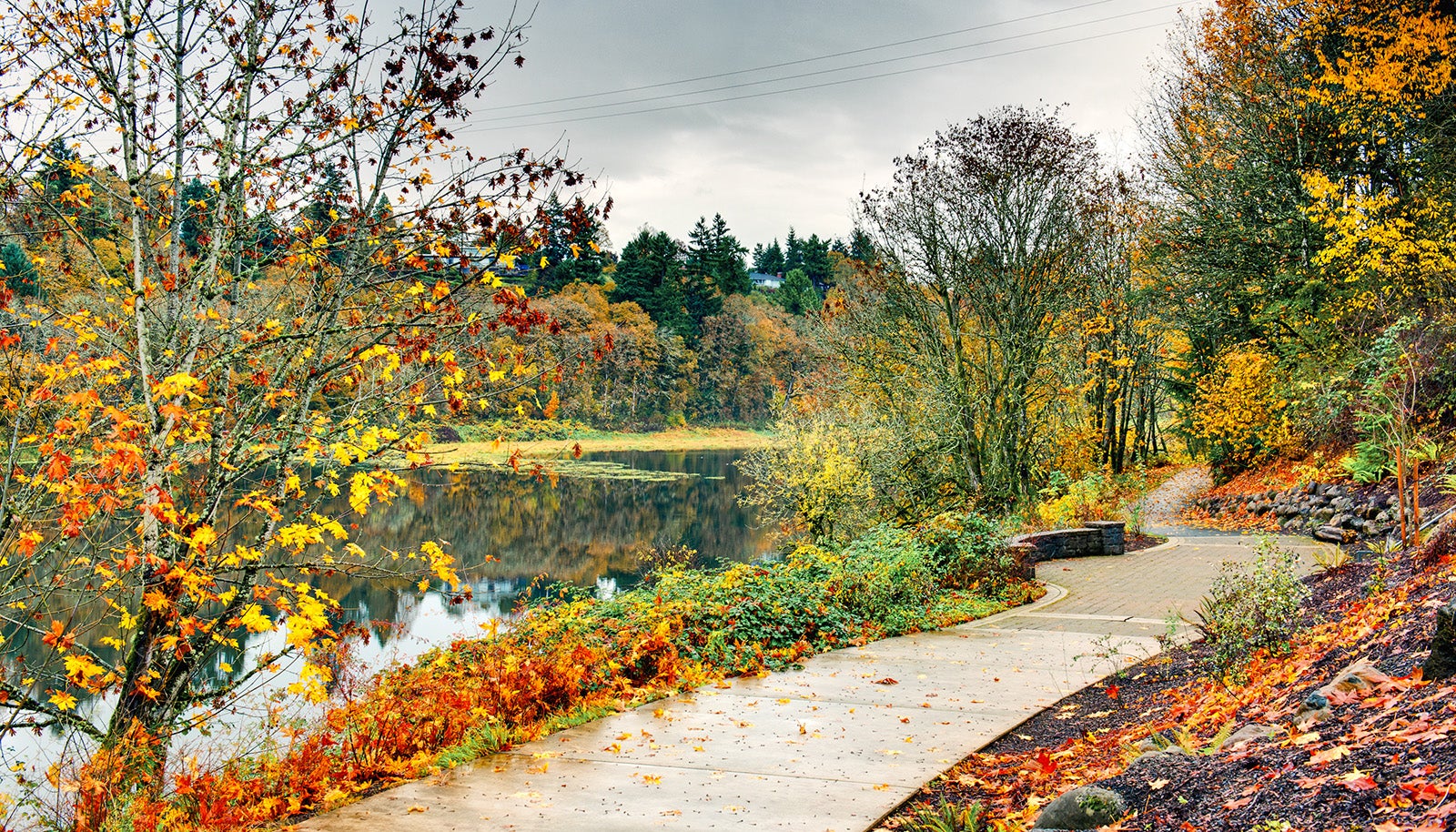
    Check the city’s trail map before you go, since some segments may have different surfaces or steeper grades. Restrooms may be limited along the route, so plan ahead. Accessible parking spaces, where available, are usually near major facilities.

    If you use a mobility device, ask the city about paved connector segments before you start. A quick look at the map can save you from an unexpected gravel stretch.

    When Is the Best Time for a Visit?

    Spring and early fall offer the most comfortable walking weather and active wildlife. Summer mornings stay pleasant before the heat builds. Winter visits can be rewarding on dry days, but expect muddy patches and slick surfaces.

    Weekday mornings tend to be quietest, which helps if you hope to hear birdsong. Weekends bring more families and cyclists.

    If you visit on a weekend, start early to find parking and enjoy the trail before midday crowds build. Weekday evenings can also be a relaxed time for a slow walk. After heavy rain, check creek levels, since water can rise quickly. Mud can linger on shaded sections for a day or two, so wear shoes you don’t mind cleaning.

    Frequently Asked Questions

    Is the Salmon Creek Greenway good for beginners?

    Yes, the greenway works well for beginners because most sections are generally flat and paved. Walkers can choose short out-and-back routes and extend their distance over time. Start with a route you can finish comfortably, and check trail surfaces before your first visit so you know what to expect.

    Can I see salmon in the creek?

    The creek’s name points to salmon, but sightings depend on the season and water conditions. Visibility changes with water clarity and flow. Check local conservation groups or city resources for current fish information before you go. Stay out of the water near spawning areas, and follow posted rules.

    Are dogs allowed on the greenway?

    Dogs are generally welcome on city trails when leashed, but rules can vary by section. Keep your dog on a short leash near cyclists and other walkers. Carry waste bags, bring water for your pet, and check the city’s current policy before your visit.

  • Exploring the Burnt Bridge Creek Trail in Vancouver WA

    Exploring the Burnt Bridge Creek Trail in Vancouver WA

    The Burnt Bridge Creek Trail is a paved path that follows a creek through Vancouver, Washington. It works well for a quick walk, a relaxed bike ride or a stroller outing without leaving the city. Check a current trail map before you go, since access points and route details can change over time.

    What Is the Burnt Bridge Creek Trail?

    The Burnt Bridge Creek Trail is a multi-use path that follows its namesake creek through the city. Walkers, runners and cyclists all share the route. Many sections keep users away from busy streets, though road crossings still call for care.

    Access points appear at several neighborhood streets, so you can start wherever parking is easiest. Trees line parts of the route, and the creek is visible in places. Look up the City of Vancouver trail map for the current route and total length.

    Is the Trail Good for Cycling and Running?

    Yes, the trail suits both cycling and running, as long as everyone shares the path politely. The paved surface and generally gentle grades make it a good choice for newer riders. Cyclists should slow near pedestrians, call out when passing, and watch for driveways and crossings.

    Shared paths work best when everyone follows a few simple rules. Keep right, pass on the left, and use a bell or a clear voice. Dog walkers should shorten leashes in busy sections, and runners should avoid earbuds turned up loud.

    What Should You Bring for a Walk or Ride?

    Bring water, a light layer and a fully charged phone before you start. Wear shoes with good traction, since the path can stay damp after rain. Cyclists should carry a helmet, a basic repair kit and a lock if they plan to stop.

    Pack a small snack, sunscreen and a bag for trash. Reflective gear helps during early mornings and evenings, especially in winter. Restrooms and water fountains are not guaranteed along every stretch, so plan ahead for longer outings.

    Refill your bottle before you leave home so you aren’t relying on a fountain you may not find. A slower pace also makes it easier to share the path with families, pets and strollers.

    Where Can You Park and Is the Trail Accessible?

    Street parking is common near many access points, but availability depends on the neighborhood. Pick a crossing close to your starting point to keep the outing short. The paved surface works well for wheelchairs, strollers and walkers, though wet leaves and steep slopes can challenge some users.

    Read posted parking signs carefully, since residential areas sometimes use time limits or permit zones. If you need smooth crossings or curb cuts, confirm with the city which access points suit your needs.

    Is the Trail Good for Families With Kids?

    Yes, the trail works well for families because the paved path is easy for strollers, scooters and balance bikes. Kids should stay on the inside of the path and within sight of an adult. Plan short segments with frequent stops so little ones stay engaged.

    Teach children to stop before crossing driveways and streets. Bring a small backpack with snacks, water and a spare layer. Turn around at a shady spot if energy runs low, and head back before anyone gets overtired.

    What Is the Best Time to Walk or Ride?

    Spring and early fall offer mild temperatures, blooming trees and comfortable conditions for most users. Summer mornings stay cooler and less crowded than late afternoons. Winter visits work on dry days, but slick surfaces call for extra caution.

    Weekday mornings are usually the quietest window. If you want a longer outing, check the map for connections to other trails and plan a loop.

    Weekend afternoons bring more joggers, dog walkers and families. Build in extra patience for those trips, and step aside when someone needs to pass.

    Frequently Asked Questions

    Is the Burnt Bridge Creek Trail paved?

    Yes, the trail is paved, which suits strollers, wheelchairs and most bikes. Surfaces can collect leaves, puddles or debris after storms, so expect some variation. Smooth tires and comfortable shoes will serve you well, and checking city trail updates before a long outing helps you avoid surprises.

    Can I bring my dog on the trail?

    Most city trails require dogs to stay leashed, so plan on a short leash. Keep your dog close near busy sections and when passing cyclists. Pick up waste, carry water, and avoid stopping in narrow spots where people need to pass. Confirm current pet rules on the City of Vancouver website.

    How long is the trail?

    Trail length depends on which section you use and where you start, so check the current city map before choosing a route. Many people treat it as a short out-and-back walk instead of one long trip. Plan a turnaround point in advance, and factor in road crossings, which slow travel time.

  • Frenchman’s Bar Regional Park: Beach Time on the Columbia River

    Frenchman’s Bar Regional Park: Beach Time on the Columbia River

    Frenchman’s Bar Regional Park gives you a wide, open beach on the Columbia River in Clark County. It works well for picnics, sunbathing, shoreline walks and river watching. The river is powerful and cold, though, so plan water time more carefully than you would at a calm lake.

    What Makes Frenchman’s Bar a Good River Beach?

    Frenchman’s Bar Regional Park offers open sand, big river views and plenty of room to spread out. It sits on the Columbia River, which flows roughly 1,200 miles from the mountains of British Columbia to the Pacific Ocean. Sandy stretches feel different from lake beaches, often with a stronger breeze and a wider horizon.

    Many visitors spend the day on the sand while watching barges and birds move along the water. Expect changing scenery, since river levels and sandbars shift with the seasons. Bring a camera or binoculars, and keep an eye out for passing boats along the shoreline.

    Is It Safe to Swim in the Columbia River?

    Swimming in the Columbia River carries real risks, even on warm days. The water stays cold, currents can be strong, and river levels change with dam operations and seasonal flows. Anyone entering the water should wear a life jacket and stay near shore.
    Children need close supervision near moving water, and a properly fitted life jacket matters more here than at most lakes. Adults should never swim alone or enter the river after drinking. Check the weather and river conditions before you arrive, and treat even calm-looking water with respect.

    What Should You Pack for a Day on the Beach?

    Pack more layers than you think you need, since the river breeze can feel cool even in summer. Bring water, sunscreen, a hat and shoes that handle sand and rocks. A beach umbrella or canopy helps when shade is scarce, and a sturdy cooler keeps food safe in warm weather.

    Dry bags protect phones, wallets and car keys if you wade near the shore. Bring a trash bag and pack out everything you bring in. Driftwood and debris collect along riverbanks, so keep kids away from logs near the waterline.

    Wind can also flip umbrellas and scatter towels, so anchor your gear with sand stakes or heavy bags. Shake out blankets before you pack up, and brush sand off food containers so it doesn’t end up in the car.

    Where Should You Park and Is the Beach Accessible?

    Parking at Frenchman’s Bar is generally available, but lots can fill on sunny weekends. Arriving early in the day gives you the best chance of a close space. Access features such as restrooms and paths can vary, so check current Clark County park information before you plan a visit with mobility needs.

    Soft sand can make wheelchairs and strollers hard to push. Ask park staff about firmer routes, or bring a folding chair with wide feet for easier sitting. Plan rest breaks if you’re traveling with older adults or small children.
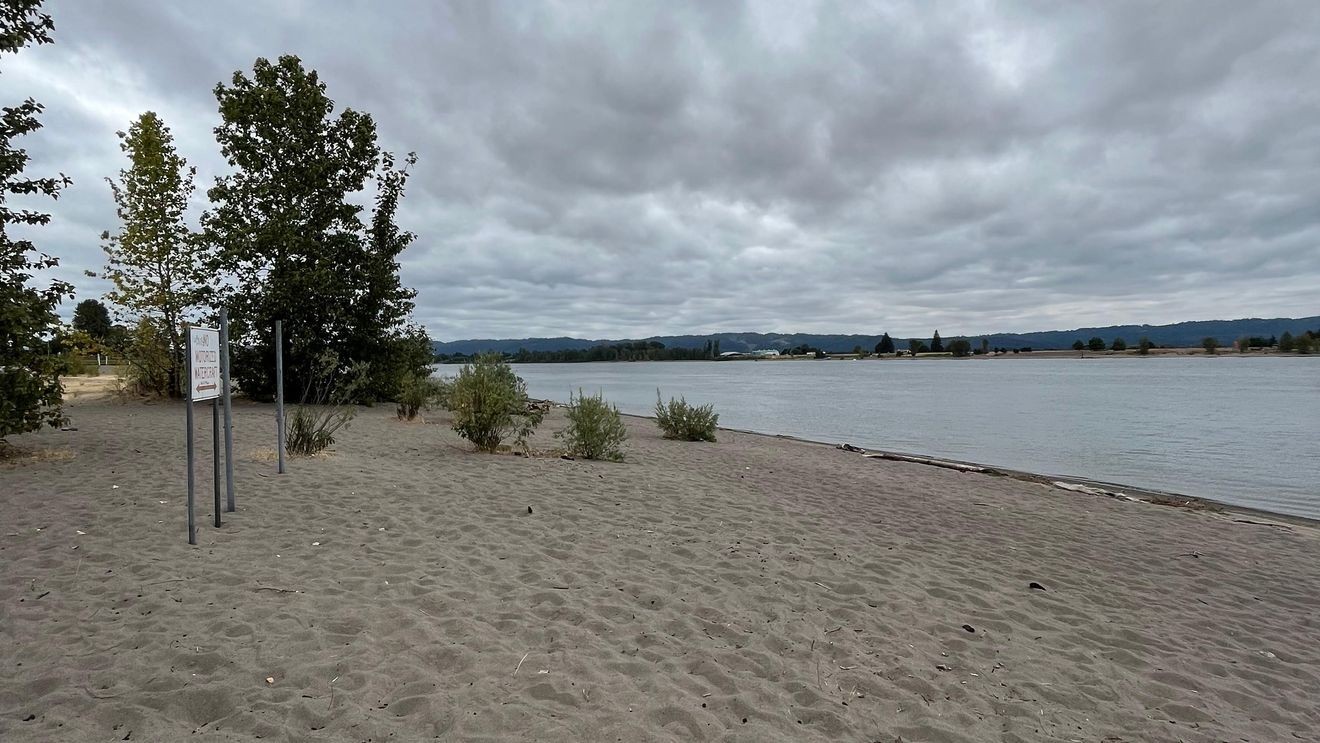
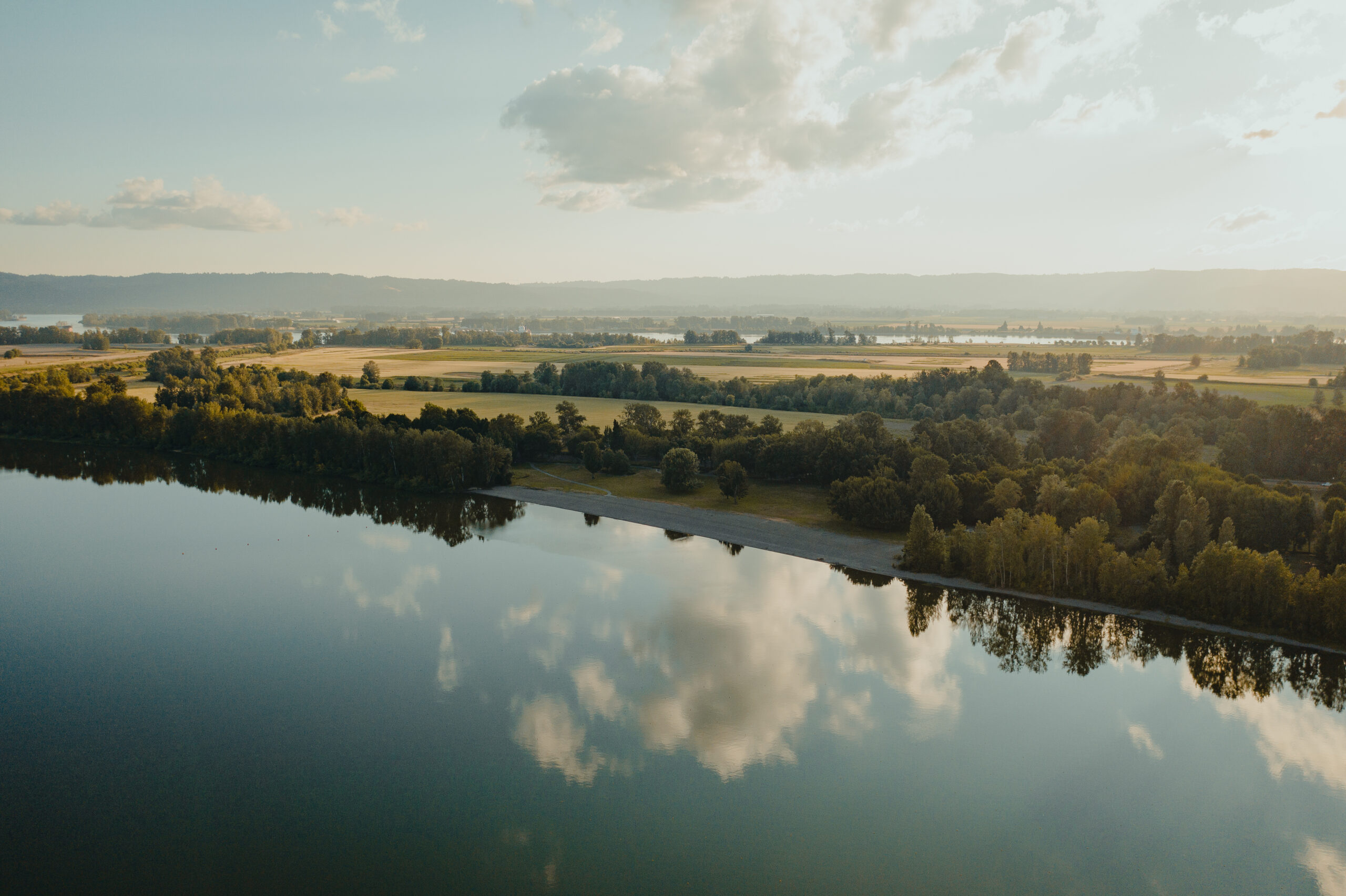
    Accessible restroom locations are worth confirming before you arrive, since facility details can change with staffing and season. A folding wagon also helps haul coolers across longer stretches of sand.

    When Is the Best Time to Visit the River?

    Late spring through early fall offers the most comfortable air temperatures for beach time. Summer afternoons run hot, while early mornings tend to be calm and quiet. Check river conditions before any visit, since high spring water can limit access to parts of the shoreline.

    Nearby, the Ridgefield National Wildlife Refuge protects wetlands and wildlife along the Columbia. Pairing a beach stop with a birding morning makes a full day. Check the refuge’s current hours before you go.

    How Do River Levels Change Your Plans?

    Water levels on the Columbia change with snowmelt, rainfall and dam operations. These shifts can alter depth and current speed, sometimes within a single day. Check river flow information and posted notices before you visit, especially during spring runoff season.

    Spring runoff can make the water look calm while flowing faster than you expect. Watch for floating debris, and keep a safe distance from boats and log jams. Turn back if conditions feel different from what you expected.

    Frequently Asked Questions

    Can kids swim at Frenchman’s Bar?

    Children can enjoy shallow wading with close adult supervision, but the Columbia is not a lake. Currents, cold water and sudden depth changes create real hazards. Dress children in a properly fitted life jacket near the water, and keep them within arm’s reach at all times.

    Are dogs allowed on the beach?

    Dog rules differ by park and season, so check the current policy before bringing a pet. Many Clark County parks ask dog owners to keep pets leashed. Always pick up waste, bring fresh water for your dog, and keep it away from wildlife and nesting areas.

    Do lifeguards watch the beach?

    Do not count on lifeguards being on duty at this river beach. Staffing can change, so call the county or check its official website for current details. Plan as if you are responsible for everyone in your group, and bring life jackets for anyone who enters the water.

  • Vancouver Lake Regional Park: Swimming, Picnics and Windsurfing

    Vancouver Lake Regional Park: Swimming, Picnics and Windsurfing

    Vancouver Lake Regional Park offers a relaxed summer day of swimming, picnicking and windsurfing on the west side of Vancouver, Washington. The lake is large and fairly shallow, which shapes both the water temperature and the wind. Bring water, sun protection and a parking plan, then check current swim and wind conditions before you head out.

    Why Is Vancouver Lake a Good Place to Swim?

    Vancouver Lake is a popular summer swimming spot for families across Clark County. Its shallow shoreline makes it easier for young children to wade in. Lifeguard coverage and swim-area rules can change from year to year, so confirm the current setup with the county before you plan a swim.

    Lakes usually warm faster than the Columbia River in spring, so many families start visiting earlier in the season. Late summer can bring warm, slightly murky water after weeks of heat. Water shoes help on soft or uneven lake bottoms. Keep children within arm’s reach, and never assume calm-looking water is safe for weak swimmers.

    What Should You Know About Windsurfing on the Lake?
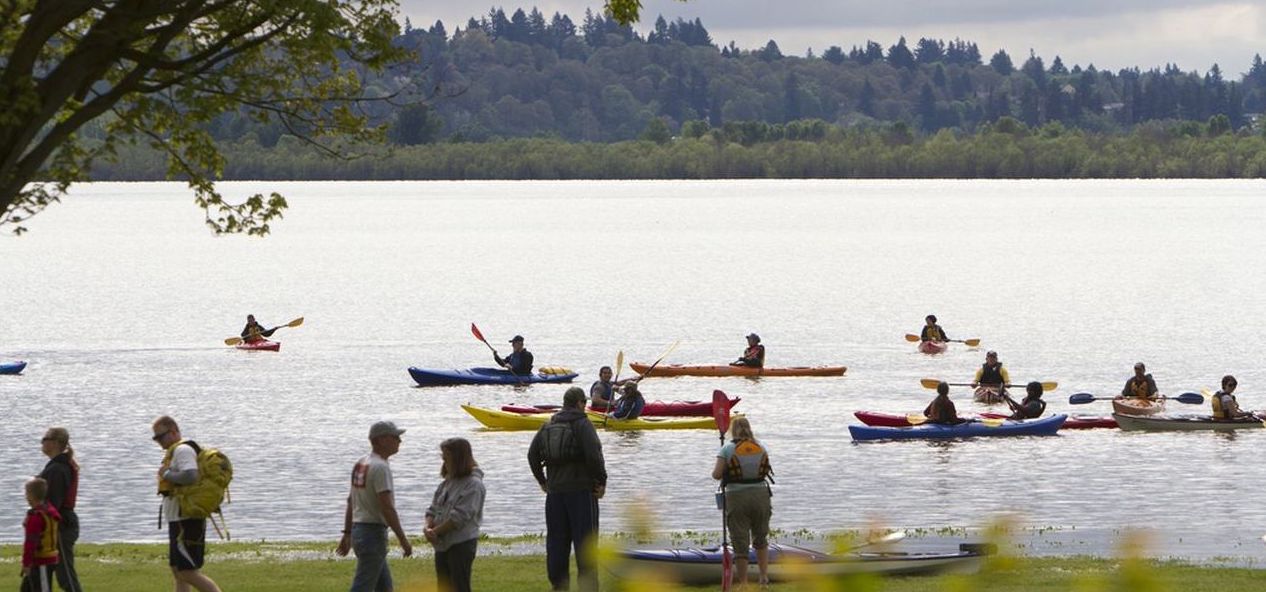
    Yes, Vancouver Lake is a well-known place to windsurf, and many riders come for the summer breeze. The open water gives sailors room to practice, but conditions can change quickly. Beginners should take a lesson before heading out on their own. Check wind forecasts that morning, and plan to finish early if gusts pick up.

    Non-riders can enjoy the view from the shore. Watching sails cross the water from a picnic table makes a pleasant afternoon. If you bring your own board, pack a secure leash, a wetsuit or rash guard, and a dry bag for keys and phone. Stay clear of marked swim zones and launch areas so everyone stays safe.

    What Should You Pack for a Picnic?

    Pack a cooler, reusable water bottles and sun protection, since summer heat builds quickly near open water. Shade can be limited at midday, so arrive early for a shady spot or bring a portable canopy. Pack out all trash, and keep food sealed to discourage ants, wasps and gulls.

    Think about what you’ll carry from the parking area to the water. A wagon or folding cart makes the walk easier with kids and coolers. Bring a towel for each person, grippy sandals, and a small first aid kit. Sand and grass can slow wheelchairs and strollers, so plan a route with firm ground before you go.

    Where Should You Park and How Accessible Is the Park?

    Parking is available at the park’s designated lots, but spaces fill up on warm weekends. Arriving before late morning gives you the best chance of a close spot. Accessible parking is usually placed near main facilities, so check the official park map for current layout details before you visit.

    Facilities tend to sit near the main parking areas, which keeps day trips with young children manageable. If you use a wheelchair or mobility aid, call ahead or check the county website for current accessible routes. Trail surfaces and beach access points can change after heavy rain or high water.

    When Is the Best Time to Visit Vancouver Lake?

    Late June through August usually brings the warmest water and the most reliable sunshine. Those months also draw the biggest crowds, especially on weekends. Late May, September and early October offer milder temperatures, fewer people and easier parking for a relaxed visit.

    Weather in the Pacific Northwest can shift fast, so check the forecast the morning you plan to go. Weekday mornings are the quietest window for swimming and picnics. Pack a light layer, even in July, because breezes off the water can feel cool once the sun drops.

    What Else Can You Do Nearby?

    Vancouver Lake sits within easy reach of other outdoor spots on the west side of Clark County, so a full day is simple to plan. Pair your swim with a walk on a nearby trail or a stop at a riverfront park. Plan a loop so you don’t drive far between stops.

    Lunch plans are easier when you check opening times ahead of time. Many outdoor food vendors operate only in warmer months, so confirm before you count on them.

    Frequently Asked Questions

    Is Vancouver Lake safe for swimming?

    Vancouver Lake can be a safe swimming spot when you follow basic precautions. Swim with a buddy, watch children closely, and stay near shore if you’re not a strong swimmer. Check the county website or call the parks office for current swim-area status, lifeguard schedule and any water quality advisories before your visit.

    Do I need to pay a fee or buy a permit to visit?

    Fees, permits and parking rules can change, so verify them before you go. Some county parks have day-use charges or seasonal rules, and some areas may restrict activities like boating or kiteboarding. The most reliable approach is to read the current park rules on the official Clark County website or contact park staff directly before you visit.

    What should I bring on a first visit?

    Pack water, sunscreen, a hat, grippy sandals and a small first aid kit. Bring a cooler, trash bags and a towel for each person. If you plan to swim or windsurf, add a rash guard, a dry bag for your phone and a light layer for breezy afternoons.

  • A Guide to Public Art and Sculptures in Downtown Vancouver WA

    A Guide to Public Art and Sculptures in Downtown Vancouver WA

    Downtown Vancouver, Washington, displays public art in parks, plazas, and along the waterfront, ranging from sculptures to murals. Most pieces are free to see at any time. Walk slowly, look for plaques, and check local arts listings for current installations.

    What Kinds of Public Art Can You Find Downtown?

    Downtown Vancouver features sculptures, murals, and installations in parks, plazas, and along the waterfront. Many works are outdoors, which means they can be seen at any time of day. Art changes as the city adds, moves, and maintains pieces, so some may be new or relocated.

    Public art often reflects local history, the river, and the community’s values. Take time to read plaques or signs, which may explain the artist and the inspiration behind each work. Bring a camera, and respect the pieces by not climbing on them.

    Where Are the Best Places to See Sculptures?

    Vancouver’s waterfront and central downtown parks host many visible sculptures and installations. Walking routes connect these spaces, so you can see several works in one outing. Check a current city arts map or local directory before you go, since locations can change.

    Start at the waterfront, then walk toward downtown for a varied loop. Expect a few blocks of walking between stops, and wear comfortable shoes. Many works sit in plazas or along sidewalks, so you can view them from public space.

    Are There Murals and Painted Works to See?

    Vancouver has painted works on walls and building faces that add color to downtown streets. Murals may be commissioned by the city, nonprofits, or private owners. Because walls can change, check current listings or ask a local arts group about the newest pieces.

    Photographers often enjoy murals in soft morning or late afternoon light. Respect private property by viewing from public sidewalks, and avoid touching painted surfaces. If a mural interests you, note its location and look for any artist credit posted nearby.

    How Can You Learn More About the Art?

    Public art programs often publish information about pieces, including artists and locations. The city’s arts or cultural pages can help you find current listings and guided information. Local libraries and historical societies may also hold background on works and the area’s history.

    Ask questions at visitor centers or community events, since staff often know about upcoming installations. Keep notes on what you see, or snap a photo of the plaque so you can look up details later. When you share photos, use the artist’s name if it’s posted.

    What Should You Keep in Mind When Visiting Art?

    Most public art is free to see and open to the public, though some pieces sit in areas with specific rules. Respect protective barriers, avoid climbing, and keep children close around sculptures. Weather can affect outdoor works, so check for signs or damage notices.

    Accessibility is often good on sidewalks and plazas, though some works sit on grass or uneven surfaces. Plan a route with paved paths if you use a wheelchair or stroller. Bring water, comfortable shoes, and a camera, and give yourself time to linger.

    Frequently Asked Questions

    Is public art in downtown Vancouver free to view?

    Yes, most public art can be seen from public spaces at no cost. Some events, guided tours, or special exhibitions may charge fees. Check current listings before attending any paid program, since prices and availability can change. Outdoor pieces are usually visible whenever the park or plaza is open.

    How long should I plan for an art walk?

    A focused walk through a few downtown blocks may take an hour or two. Longer visits allow time for photos, plaque reading, and a stop for lunch. Plan a few breaks, and check the route map first so you don’t miss key works.

    Can I photograph public art?

    Photography is generally allowed in public spaces, including outdoor sculptures and murals. Respect any signs that restrict photos at certain sites, and avoid blocking walkways. For commercial shoots or large groups, check local permit rules before you begin.

  • Waterfront Dining in Vancouver WA: Eating With a Columbia River View

    Waterfront Dining in Vancouver WA: Eating With a Columbia River View

    Waterfront dining in Vancouver, Washington, lets you eat with the Columbia River in view, often from a patio or window seat. Reserve for peak times, dress for the weather, and check current menus before you go. Request a seat near the water if the view matters most to you.

    What Makes Waterfront Dining Special?

    Waterfront dining in Vancouver combines a river view with an easy walk from downtown. Many visitors choose a meal near the water to watch barges, boats, and changing light. The setting works well for lunch, dinner, and relaxed afternoon snacks. Views are often best near sunset.

    Waterfront seating can be limited, so plan ahead for popular times. Ask about window seats or patio tables when you book or arrive. Weather shifts quickly on the river, so keep a light layer handy even on warm days.

    When Should You Reserve a Table?

    Reservations are a good idea for weekend evenings, holidays, and sunset hours near the river. Walk-in tables may be available at off-peak times, such as mid-afternoon on weekdays. Restaurants set their own policies, so check details before you go. Calling ahead or checking an online listing helps.

    Plan for a longer meal than you expect, since many diners linger over the view. Arriving early can secure a better table and a calmer start. If you have a specific time in mind, call ahead to confirm seating options.

    Which Dishes Pair Well With a River View?

    Many regional menus feature fresh Pacific Northwest ingredients, such as seafood, salads, and seasonal produce. Lighter plates suit warm afternoons, while heartier dishes feel right on cool evenings. Menus change often, so check current listings before you choose. Ask your server for recommendations if you’re unsure.

    Dietary needs deserve a quick check before you order. Ask staff about gluten-free, vegetarian, or allergy options, since kitchens differ in how they prepare dishes. Sharing plates can help you sample more of the menu.

    How Can You Get the Best View?

    Window tables and outdoor patios usually offer the clearest river views. Request a seat near the glass or railing when you book, and mention if you’re celebrating a special occasion. Sunset is often the most popular time for seating near the water.

    Arrive 15 to 20 minutes before your reservation if you want to walk the riverbank first. Ask staff which tables face the water when you call. Weather can change the view quickly, so ask about indoor backup seating.

    What Practical Tips Help Families and Visitors With Mobility Needs?

    Many waterfront restaurants offer indoor seating with easy access, though layouts vary. Ask about step-free entry, restroom access, and table height when you reserve. High chairs and kids’ menus are common at casual spots, but check availability first. Parking can be limited near the water, so allow extra time.

    Dining near the river can be windy and chilly, so pack a layer for kids. If you bring a stroller, ask staff where to park it. Plan your return route before dark, since some paths and parking areas are quieter at night.

    Frequently Asked Questions

    Do waterfront restaurants in Vancouver have outdoor seating?

    Many do, especially during warmer months, although availability depends on weather and local rules. Patio seating often fills first, so ask when you book. Indoor window tables can offer similar views when the air is cool or wet.

    Is it better to book a waterfront table for sunset?

    Booking ahead is usually wise for sunset, since views near the river are popular. Arrive early to get settled and enjoy the changing light. If you prefer a quieter meal, choose an earlier or later time to avoid the busiest window.

    What should I wear to eat by the river?

    Dress in layers, since wind off the Columbia River can feel cooler than the air in town. Comfortable shoes help if you walk to the restaurant along the waterfront. Bring a light jacket for after sunset, even on warm days, and check the forecast before you leave.

  • Kiggins Theatre and Downtown Vancouver WA Entertainment

    Kiggins Theatre and Downtown Vancouver WA Entertainment

    Kiggins Theatre is a historic performance venue on Main Street in downtown Vancouver, Washington, known for live shows, films, and community events. It anchors a small cluster of arts and entertainment options downtown. Check the current schedule and ticketing details before you plan a visit.

    What Is the Kiggins Theatre?

    Kiggins Theatre is a historic performance venue in downtown Vancouver, Washington, that hosts live music, films, and community events. Its Art Deco building opened in 1936, and it remains an important part of the city’s cultural life. Event lineups change, so check the official schedule before you plan.
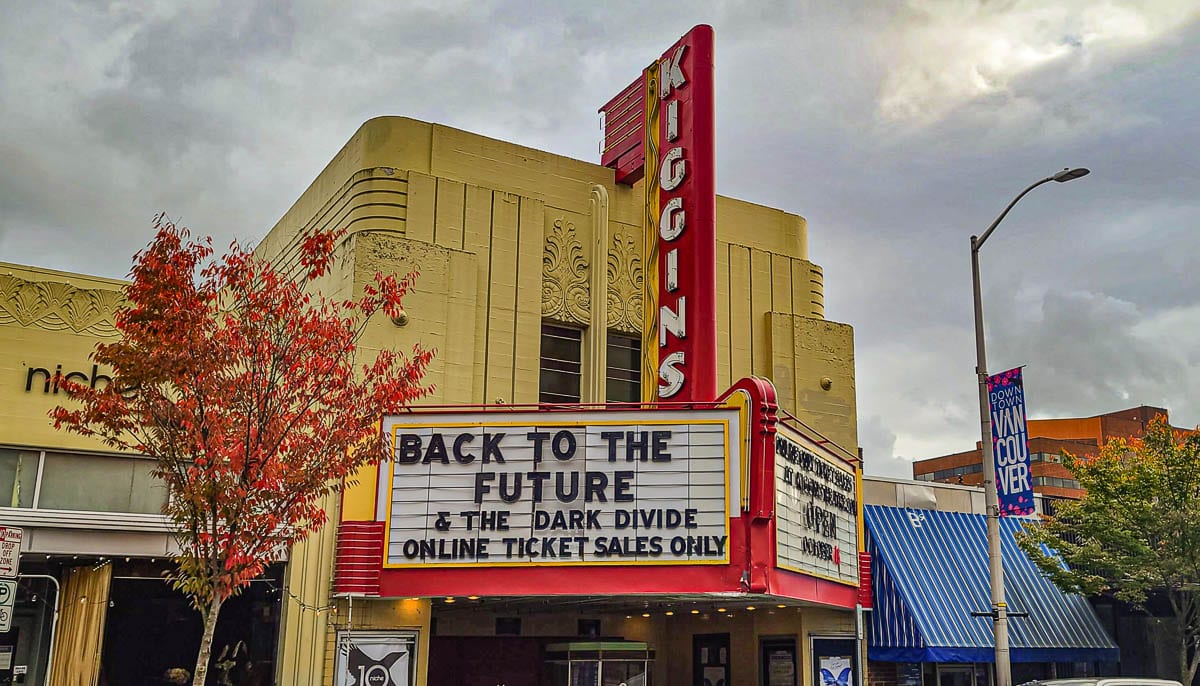
    Theaters like this one often anchor downtown evenings, drawing visitors to nearby restaurants and shops. The historic building itself makes a worthwhile stop, even when you aren’t attending a show. Take a moment to look at the architecture from the sidewalk.

    What Kinds of Shows Can You Expect?

    Programming at the theater has included concerts, film screenings, comedy, and community performances. Lineups change throughout the year, so visitors may find something different on each trip. Check the venue’s calendar for current listings, age policies, and any special event details.

    Shows may sell out, especially for popular performers or holiday events. Buy tickets early, and read the event description for seating, doors-open times, and accessibility options. If you’re unsure which show suits you, ask venue staff for guidance.


    How Do You Get Tickets and Plan Your Visit?

    Tickets are typically sold through the venue or its official ticketing partner, so buy from official sources to avoid problems. Prices and fees vary by event, so check the listing before you commit. Arriving early helps with parking and seating decisions.

    Plan around doors-open times and allow a few minutes to find your seat. Keep your confirmation handy, whether it’s printed or on your phone. If you’re traveling a distance, leave extra time, since parking near the theater can fill up on show nights.

    What Else Is Nearby for an Evening Out?

    Downtown Vancouver offers restaurants, cafes, and shops within walking distance of the theater. Many visitors plan a meal before a show or stop for dessert afterward. Waterfront paths and public art are also close, making the area good for an evening stroll.

    Plan meals early if you have an early curtain time. Consider a short walk along the river before a show if you have extra time. Check parking rules and give yourself a buffer so you don’t rush.

    Is the Theater Accessible and Family Friendly?

    Historic buildings can have limits, but many venues work to improve access for guests with mobility needs. Contact the venue ahead of time to ask about wheelchair seating, elevator access, and listening options. Accessibility details are best confirmed directly before you buy tickets.

    Families may want to check age guidelines and show length before buying tickets. Some events suit younger audiences better than others. Plan a quiet exit route and arrive early so children can settle in.

    Frequently Asked Questions

    Is the Kiggins Theatre open during the day?

    Hours depend on the event schedule, so the building may be quiet on many days. Check the official calendar for upcoming performances and any special openings. If you want to see the inside, plan your visit around a scheduled show or event.

    How far in advance should I buy tickets?

    Buy as early as you can for popular shows, holiday events, or headline performers. Smaller events may still have seats close to showtime. Check whether the event offers accessible or specific seating before you buy, and keep your confirmation handy.

    Can I visit the theater for a film or community event?

    Programming can include films and community events, depending on the season. Check the venue’s current listings for titles, age guidance, and start times. If a listing is unclear, contact the venue before you visit to confirm details.

  • Uptown Village in Vancouver WA: A Neighborhood Guide for Visitors

    Uptown Village in Vancouver WA: A Neighborhood Guide for Visitors

    Uptown Village is a neighborhood shopping and dining area in Vancouver, Washington, where many visitors go for a slower pace. It sits a short drive from downtown, so it makes a good second stop on a day trip. Check current hours and parking details before you head over.

    What Is Uptown Village?

    Uptown Village is a neighborhood commercial district in Vancouver, Washington, offering a mix of shops, eateries, and services. It serves nearby residents and draws visitors looking for a change of pace from downtown. Many of its blocks are walkable, and local businesses shape its character.
    Because it often feels calmer than downtown on busy days, Uptown Village suits relaxed browsing and unhurried meals. Visitors often combine a stop here with a visit to downtown or nearby parks. Plan for a half day if you want to explore several blocks.

    How Do You Get to Uptown Village?

    Most visitors drive to Uptown Village, although local bus routes and ride services also serve the area. Parking is generally available along streets and in shared lots, but spaces vary. Check the route on a current map before you leave, since traffic can slow trips at peak times.

    Transit options and routes change, so confirm schedules with C-TRAN, the local transit agency, before you travel. If you’re biking, look for quieter streets and plan your route in advance. Accessibility varies by block, so check sidewalk and curb conditions if you use a mobility device.

    What Can You Shop for in Uptown Village?

    Uptown Village offers neighborhood-scale shopping, with stores for everyday needs, gifts, and local goods. Many visitors come for browsing rather than big purchases. Smaller shops often reward a slow pace, so give yourself time to look around. Store hours vary, so confirm them before you go.

    Bring a reusable bag, since most purchases fit easily into a small tote. Cash and cards are usually accepted, but individual shops may have their own rules. Asking staff for recommendations is often the fastest way to find something you’ll like.

    Where Can You Eat in Uptown Village?

    Dining options in Uptown Village typically include casual spots and sit-down meals, with menus that suit lunch, dinner, and quick snacks. Exact choices change over time, so check current listings. Reservations may be helpful during weekend evenings. Lunch hours often run busier than mid-afternoon, so plan accordingly.

    Ask staff about patio seating or takeout if you plan a picnic. Many visitors combine a meal with a walk around the neighborhood. Keep an eye on the weather before you choose outdoor seating.

    How Can You Make the Most of a Visit?

    Plan a relaxed half day, start with a walk through the shops, and save time for a meal. Check hours, parking rules, and transit schedules the day before. Bring water, comfortable shoes, and a bag for purchases. Pairing the visit with downtown gives you a full day without long drives.
    Weekday visits usually mean fewer people on sidewalks, while weekend mornings can bring more energy. If you’re traveling with kids, plan short breaks and look for quiet spots to rest. Keep a list of must-see stops so you don’t miss anything you came for.

    Frequently Asked Questions

    Is Uptown Village a good place for families?

    It can be. The neighborhood has a relaxed feel, and many visitors appreciate the slower pace. Plan breaks, keep children close near busy streets, and check current access details if you use a stroller or wheelchair. Ask staff about kid-friendly options before you go.

    How far is Uptown Village from downtown?

    Uptown Village is generally a short drive from downtown Vancouver, though travel times depend on traffic and the time of day. Check a current map before you leave, and allow extra time during peak hours. Transit options are also available, but confirm current routes first.

    Do I need a reservation for dinner?

    Reservations are not always required, but they can help on busy weekend evenings. Policies vary by establishment, so check the listing or call ahead. If you prefer a quieter meal, consider an early dinner or a weekday visit.

  • Main Street Vancouver WA: A Guide to Shopping, Dining, and Strolling Downtown

    Main Street Vancouver WA: A Guide to Shopping, Dining, and Strolling Downtown

    Main Street is the central commercial corridor of downtown Vancouver, Washington, lined with independent shops, cafes, and restaurants. Visit on foot, take your time with the storefronts, and build in a stop at the waterfront. Check opening hours before you go, since many businesses set their own schedules.

    What Makes Main Street Worth Walking?

    Main Street is downtown Vancouver’s central commercial corridor, with a mix of shops, offices, restaurants, and public spaces. Walking it lets you see historic storefronts and local businesses up close. The street’s compact layout makes it easy to explore several blocks in one visit.

    Plan to spend at least an hour if you want to browse, sit for a meal, and check out a few stores. Many visitors pair a Main Street stroll with a visit to Esther Short Park, which sits a short walk away and offers benches and open space.

    Where Can You Shop on Main Street?

    Main Street has a range of locally owned shops, from clothing and gift stores to specialty retailers. Store hours vary, and some shops may close early on weekdays or take breaks in the afternoon. Check individual shop hours before you head out to avoid disappointment.

    Browse with a plan, but leave room for surprises. Smaller shops often carry regional goods, handmade items, and gifts that reflect the Pacific Northwest. Cash and cards are usually accepted, though a few small stores may have their own preferences.

    What Are Good Dining Options on Main Street?

    Main Street offers a variety of cafes, casual eateries, and sit-down restaurants within a short walk. Menus and prices change often, so check current listings before choosing a spot. Lunch and early dinner usually draw fewer crowds than weekend evenings. Reservations may help on busy weekend nights.

    Ask about specials or seasonal dishes, since local kitchens often update their menus with what’s fresh. Many places offer outdoor seating when the weather cooperates. Keep an eye on the forecast, because rain can shift plans quickly.

    When Is the Best Time to Stroll Main Street?

    Weekday late mornings and early afternoons tend to be the calmest times on Main Street. Weekend afternoons bring more shoppers and diners, while evenings may feel lively near restaurants. Spring and fall offer comfortable walking weather, while summer is often the busiest season.

    Special events and holiday weekends can change the mood completely. Check the city’s event calendar before you visit, especially if you want quiet storefront browsing. Street parking fills quickly on event days, so plan ahead.

    How Should You Park and Get Around?

    Street parking and nearby public lots serve Main Street, but spaces can fill quickly during peak hours. Read posted signs carefully, since time limits and rules can differ by block. Walking, biking, or using local transit can also make your visit simpler.

    Main Street is generally flat, which helps walkers and wheelchair users. Curb ramps and sidewalk conditions vary by block, so check access details if you need a specific route. Carry a small bag for purchases and a light jacket for changing weather.

    Frequently Asked Questions

    What time do shops on Main Street usually open?

    Opening times vary from shop to shop and can change by season. Many downtown businesses set their own schedules, so the same street may have early morning cafes and late evening restaurants. The safest approach is to check each shop’s current hours before you go.

    Is Main Street a good place for a day with kids?

    Yes, many families enjoy a relaxed walk, a snack stop, and a visit to nearby open space. Keep little ones close near crosswalks and busy intersections. Strollers can handle most sidewalks, but check current access details if you need a specific route. Plan breaks at parks along the way.

    Is parking free on Main Street?

    Parking rules differ by block, and some spaces have time limits or fees. Check posted signs carefully before you park, since enforcement and rates can change. If you’re unsure, consider a public lot or a short walk from a less busy area.

  • Walking or Biking the Columbia River Renaissance Trail

    Walking or Biking the Columbia River Renaissance Trail

    The Columbia River Renaissance Trail is a multiuse path along the Vancouver, Washington, waterfront that links parks, public art, and river views. It works well for walking, running, and biking at a relaxed pace. Plan your route, check trail conditions, and bring water before you set out.

    What Is the Columbia River Renaissance Trail?

    The Columbia River Renaissance Trail is a largely paved, multiuse path that runs along the Columbia River waterfront in Vancouver, Washington. It connects riverside parks, public spaces, and downtown areas. The trail is shared by walkers, joggers, cyclists, and people using wheelchairs or strollers.
    Because the trail follows the river, it offers wide views of the water, bridges, and the Oregon shore on clear days. Sections may differ in width and surface, so expect some busier stretches near downtown. Check the city’s trail information for the most current map and route details.

    Which Sections Work Best for Walking?

    Walkers usually prefer the downtown and waterfront sections, where benches, parks, and views are close together. These stretches are easy to reach on foot and work well for a short outing. Quieter sections farther from downtown may suit longer walks, though you should check the map first.

    Walking the full route takes time, so plan based on your energy and the weather. Pause at riverside spots for photos and rest. Wear supportive shoes, since surfaces can vary and some edges may be uneven. Carry water, especially on warm days.

    What Should Cyclists Know Before Riding?

    Cyclists should expect a mix of riders, walkers, runners, and dogs on shared paths. Slowing down near crowds and calling out before passing keeps everyone safer. Use a bell or a friendly voice, and keep right when you’re not passing. Check local rules about bike speed and equipment, since regulations can change.

    Bring a bike lock if you plan to stop at parks or shops along the way. Carry a basic repair kit, and check your tire pressure before you ride. Weather on the river can change quickly, so pack a light layer even if the morning looks clear.

    How Do You Access the Trail and Park Nearby?

    Several access points connect the trail to downtown streets and parking areas. Parking varies by location, and some lots fill quickly on sunny days. Arriving early or walking from downtown lodging reduces stress and helps you avoid time limits. Read posted signs carefully.

    If you bike, look for bike racks near parks and downtown. Trail signage helps you find connections to other routes, though you may need a map for longer rides. Check the city’s trail map before you set out, since routes and access points may change.

    What Are the Best Times and Safety Tips?

    Early morning and late afternoon usually offer the calmest conditions on the trail. Spring and fall are comfortable seasons, while summer can bring heat and crowds. Winter is quieter, but wet and cold conditions can make surfaces slippery. Weekday mornings are often the quietest of all.
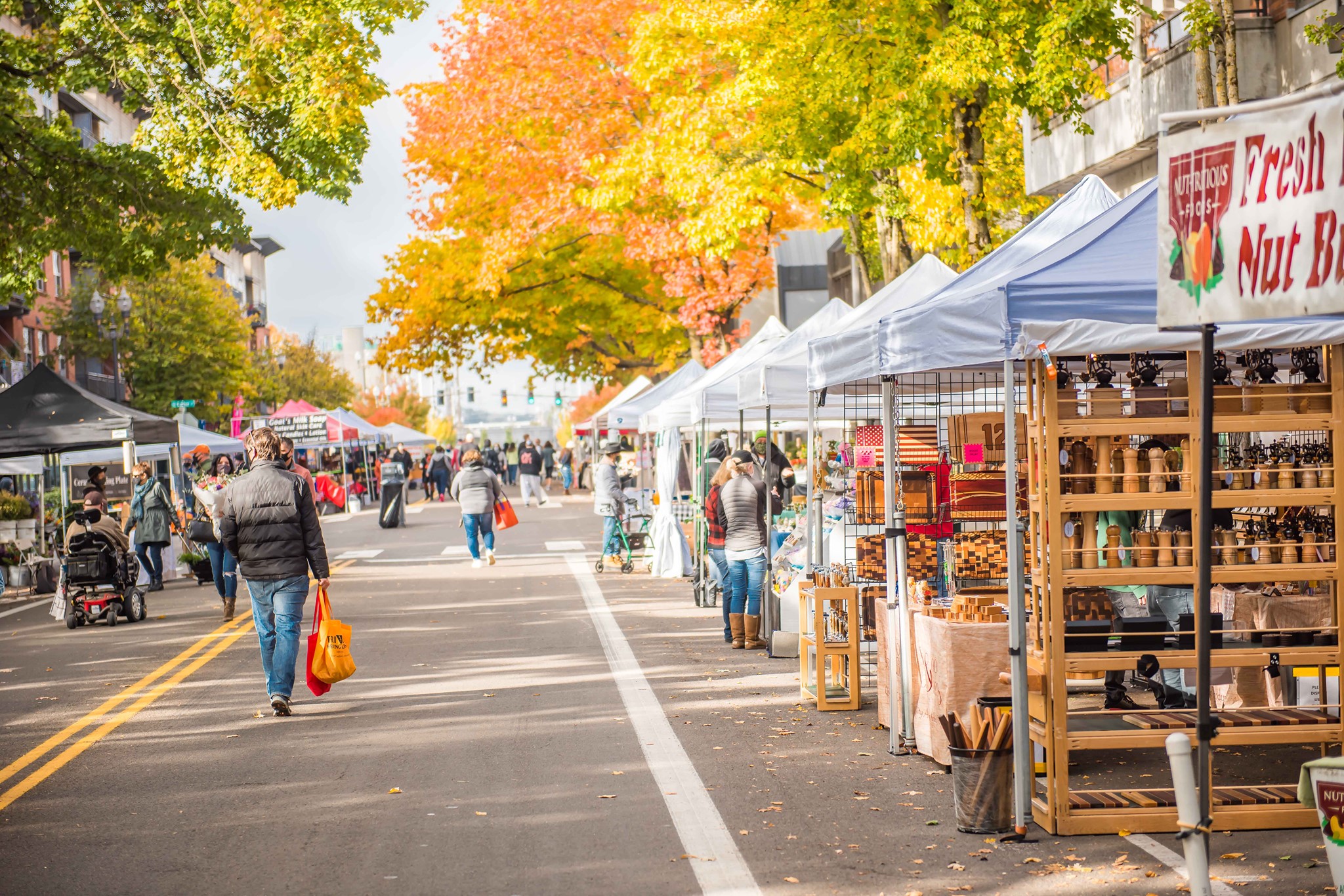
    Carry water, sunscreen, and a phone with a charged battery. Tell someone your route if you plan a long ride, and stay aware of river edges. Lights and reflective gear help you stay visible after dark.

    Frequently Asked Questions

    How long is the Columbia River Renaissance Trail?

    The trail’s total length and route details change as sections are built and connected, so check the city’s current trail map for accurate measurements. Many people choose a shorter section for a single outing. Plan your route before you go, since distance depends on where you start and finish.

    Is the trail accessible for wheelchairs and strollers?

    Much of the trail is paved and generally suitable for wheelchairs, strollers, and bikes. Surfaces and widths can vary in places, especially near busy downtown crossings. Check current accessibility information with the city before visiting, particularly if you need specific ramp or path details.

    Can I bring a dog on the trail?

    Many shared paths allow leashed dogs, but rules can vary by section and by season. Keep your dog on a short leash in crowded areas, and carry waste bags. Check the city’s posted rules before visiting, since parks and trail segments may have different requirements.

  • Vancouver Farmers Market: Tips for Visiting One of the Region’s Favorite Markets

    Vancouver Farmers Market: Tips for Visiting One of the Region’s Favorite Markets

    The Vancouver Farmers Market is a seasonal outdoor market in downtown Vancouver, Washington, where local growers and makers sell fresh produce and goods. Go early for the best selection, plan to walk, and bring reusable bags. Check the current season and hours before you head out.

    What Can You Find at the Vancouver Farmers Market?

    Farmers markets like this one typically offer seasonal produce, baked goods, flowers, and prepared foods from local vendors. Selection changes with the season, so spring brings early greens while late summer features berries and tomatoes. Vendor lineups vary from week to week, so check the market’s posted list if you have a specific item in mind.

    Many visitors also come for crafts, honey, and small-batch foods. Pacific Northwest growers are known for berries, leafy greens, and fresh herbs during the warmer months. Ask vendors about growing methods and seasonal availability, since they know their products best.

    When Is the Best Time to Go?

    Arriving early in the market day usually gives you the best selection and the most relaxed experience. Late morning brings more visitors and sometimes shorter stock on popular items. Check the market’s schedule for current days and hours, since the season and times can change from year to year.

    Summer tends to be the busiest season, and weekend mornings draw the biggest crowds. Early fall offers a calmer atmosphere with plenty of produce. Rain is common in the region, so pack a waterproof layer and expect some stalls to be busy under shelter.

    How Should You Plan Your Visit?

    Plan your visit with a rough shopping list and a set budget. Bring reusable bags and a small cooler, especially for dairy, eggs, or meat, which need to stay cold. Cash in small bills can help at busy stalls, though some vendors also accept cards, so ask first.

    Pack a light folding bag, sunscreen, and water, since you may spend an hour or more walking the stalls. Sampling and conversation are part of the fun, so take your time. Ask vendors about storage tips for fresh produce before you pack it away.

    Is the Farmers Market Accessible and Family Friendly?

    Most farmers markets are designed for open-air walking, and downtown locations like this one usually offer level paths and nearby curb cuts. Strollers and wheelchairs generally fit between stalls, though crowds can narrow aisles. Check the market’s current accessibility details before visiting if you need specific information.

    Families will find plenty to see, from produce displays to kid-friendly snacks. Keep little ones close, because busy aisles can get crowded quickly. A wagon can help carry purchases and tired children, and many parents find it a practical choice.

    Where Can You Go After the Market?

    Downtown Vancouver offers many options within walking distance of the market area, so you can easily extend your morning. Parks, the waterfront, and local cafes are common choices for a relaxed lunch. Plan your route in advance and check the map.

    Many visitors pick up a few items for a picnic, then head to a riverside lawn or a nearby park. Bring a blanket and a cooler if you plan to eat outdoors. Follow posted rules for food and pets, and keep your belongings close in busy areas.

    Frequently Asked Questions

    Is the Vancouver Farmers Market open all year?

    Farmers markets in this region typically run seasonally, with most activity during the warmer months. Some markets offer limited winter days or special events. Check the market’s current schedule before you plan a trip, since dates, locations, and hours can change each year.

    Do vendors accept credit cards?

    Many vendors accept cards, but not all of them do, so it helps to bring some cash. Small bills can make quick purchases easier at busy stalls. If you’re unsure, ask the vendor before you buy, or check the market’s listing for payment details.

    Can I bring my dog to the farmers market?

    Pet rules vary by market and by location, so confirm the policy before you bring a dog. Many markets limit animals in food areas for hygiene and safety reasons. If pets are allowed, keep your dog leashed, bring water, and avoid crowded aisles on busy days.

  • Esther Short Park: The Heart of Downtown Vancouver WA

    Esther Short Park: The Heart of Downtown Vancouver WA

    Esther Short Park is a green space in the middle of downtown Vancouver, Washington, and it serves as the city’s central gathering spot. Local histories describe it as Washington’s oldest public park, with roots dating to 1853. Visit for the history, a relaxed stroll, and an easy starting point for exploring downtown.

    What Is the History of Esther Short Park?

    Esther Short Park is widely described as Washington’s oldest public park, with roots going back to 1853. It was named for Esther Short, an early settler in the Vancouver area. Over the decades it has served as a gathering place for residents, celebrations, and community events. Local historical sources can provide more detail on its early years.

    Walking through the park gives you a feel for downtown’s older streets and buildings. If you’re curious about the wider past, the nearby Fort Vancouver National Historic Site covers the region’s fur trade era. The Hudson’s Bay Company established a fur trading post there in 1825.

    What Happens at Esther Short Park Today?

    Esther Short Park hosts community events, performances, and seasonal gatherings throughout the year. Weekend mornings and holiday periods often bring the largest crowds. Event schedules change, so confirm dates with the city before you travel. Check the city’s event listings for the current season.

    Because the park is central, it’s a common place for lunch breaks, dog walks, and people watching. Bring a blanket for the lawn, and expect more activity during festivals. Restrooms and parking may be busier on event days, so plan ahead and walk or use transit when you can.

    How Do You Get Around the Park and Downtown?

    Esther Short Park sits in the middle of downtown Vancouver, so most visitors arrive on foot or by car. Nearby streets and public parking make the park simple to reach. Walking from Main Street or the waterfront takes a short time, making the park an easy stop on a longer outing.

    Accessibility is generally good, with paved paths connecting to the surrounding sidewalks. Parking rules and time limits apply on the blocks around the park, so read signs carefully. If you ride a bike, plan a route on lower-traffic streets and lock your bike securely.


    When Should You Visit Esther Short Park?

    Late spring through early fall is the most popular season for visiting Esther Short Park. Weekend mornings tend to be busy with markets and families, while weekday afternoons are calmer. Evenings can be pleasant in summer, but check event schedules because performances may draw bigger crowds.

    Rain is common in the Pacific Northwest, especially in winter, so pack a waterproof layer. Winter visits are quieter and can still be pleasant on clear days. Many residents also use the park as a place to walk in any season, which says a lot about its everyday appeal.

    What Should You Bring and Where Can You Go Next?

    Bring water, sun protection on bright days, and a rain layer for the wetter months. A small blanket or folding chair helps if you plan to sit on the lawn. Nearby stops include Fort Vancouver National Historic Site and the Columbia River waterfront, both within a short drive or walk of downtown.

    The National Park Service now manages the Fort Vancouver site, which offers insight into the trading era that shaped the region. Check the park service’s current hours and program details before you visit. Pairing the two sites gives you a full day of history and river views.

    Frequently Asked Questions

    Is Esther Short Park free to enter?

    Yes, the park is a public space, so walking, sitting, and enjoying the lawns does not require a ticket. Some special events or performances may charge admission or require registration. Check the city’s event listings before attending, since fees and rules depend on the program.

    Is Esther Short Park good for kids?

    Many families use the park for open space, picnics, and people watching. Keep an eye on children near streets and busy event areas. Bring snacks and water, since food options may be busier during events. Check current play area details with the city before visiting, because equipment and facilities can change over time.

    What is the best way to plan a visit?

    Combine a park stop with a walk along Main Street and a short trip to the waterfront. Check the event calendar, parking rules, and weather before you leave. A weekday morning usually offers the quietest experience, while weekend events bring more energy and more people.

  • Grant Street Pier: What to Know About Vancouver WA’s Cable-Stayed Pier

    Grant Street Pier: What to Know About Vancouver WA’s Cable-Stayed Pier

    Grant Street Pier is a cable-stayed pier that extends over the Columbia River from downtown Vancouver, Washington. It offers one of the most direct ways to get a close look at the river and the city skyline. Plan a short visit, dress for wind, and take time to enjoy the view.

    What Is the Grant Street Pier?

    The Grant Street Pier is a public pier on the Columbia River waterfront in downtown Vancouver, Washington. Its design uses cables anchored to a tall tower to support the deck, which gives it a distinctive look. Visitors can walk out over the river and look back at the city skyline and waterfront.

    The pier is part of the larger Vancouver Waterfront Park, so it’s easy to combine with a walk along the river. Many people visit to watch the sunset, take photos of the water, or simply enjoy the breeze. Its location makes it a natural first stop for anyone exploring downtown on foot.

    How Do You Get to the Pier?

    The pier sits within walking distance of downtown Vancouver’s Main Street and nearby hotels. Visitors coming from Portland often cross the Interstate Bridge and take a downtown exit. Parking is available in nearby lots and on street, though spaces can fill on busy days, so arrive early.
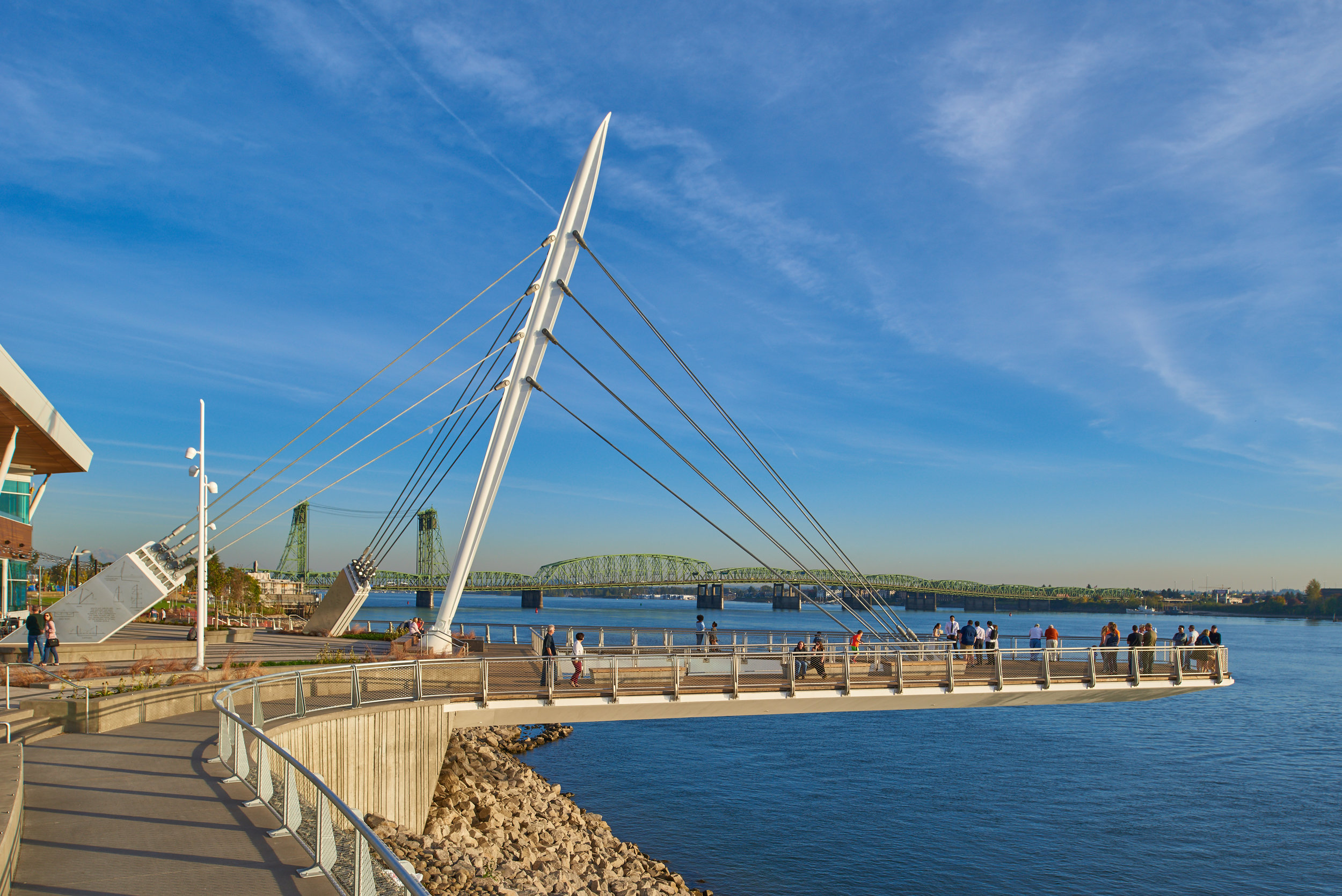
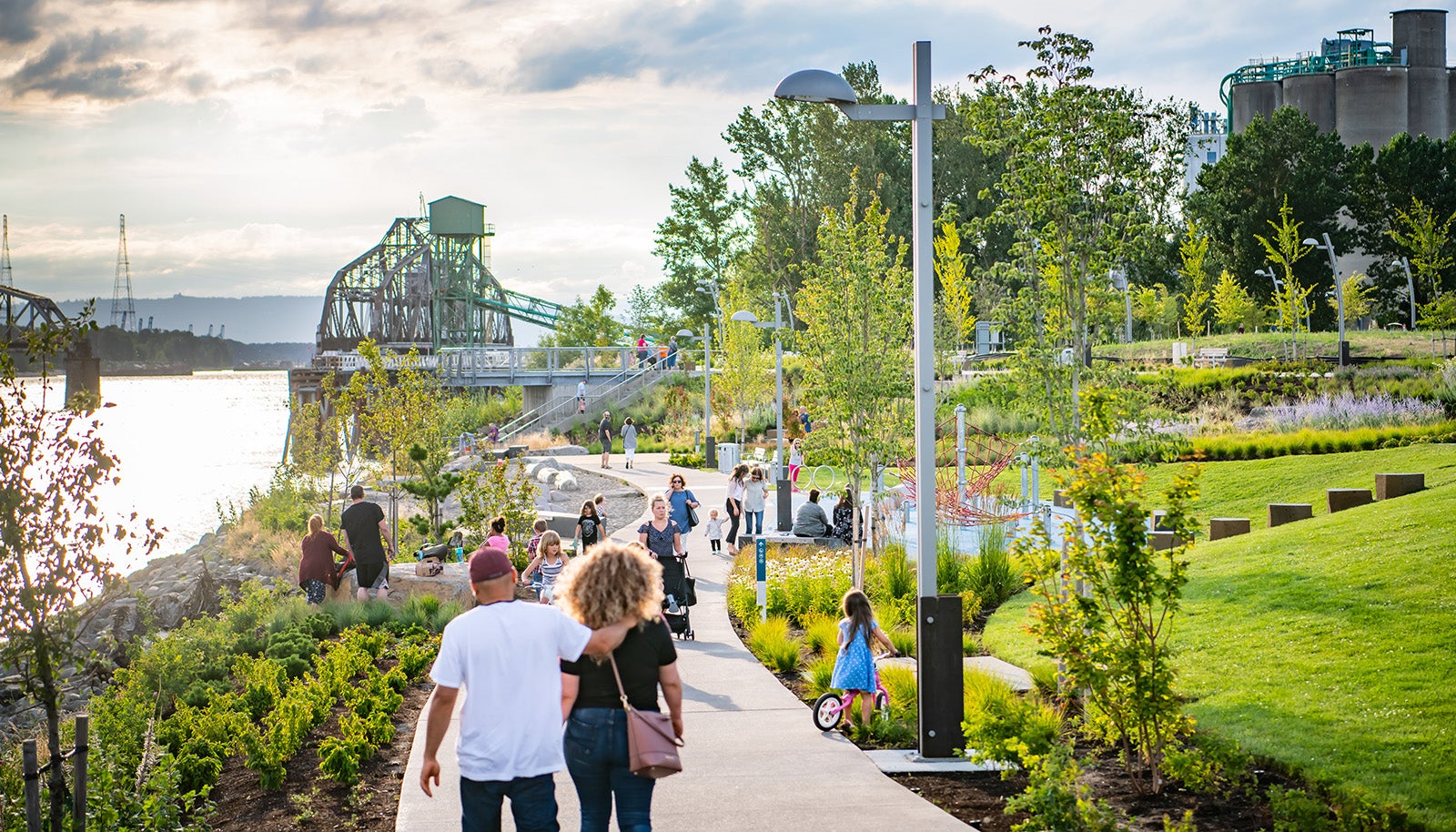
    Ride services and local transit can drop you near the waterfront, which saves you from circling for a spot. Once you arrive, the pier is mostly level, but the surface can feel slippery when wet. Accessibility is generally good, though you should check current access details with the city if you use a wheelchair or mobility aid. Give yourself extra time when crossing busy streets.

    What Can Visitors See and Do on the Pier?

    Most people walk to the end of the pier to enjoy open views of the Columbia River. From the deck, you may see river traffic, including cargo ships and tugboats. The pier is also a good spot for photography, especially during the golden hour before sunset.

    Bring a camera with a wide lens if you want the full skyline and the cable design in one frame. Benches and railings make it easy to rest for a few minutes. Keep an eye on the wind and rain, since the open deck offers little shelter. Stay behind the railings and keep children close, because the river current is strong.

    When Is the Best Time to Visit the Pier?

    Early mornings tend to be the quietest times to visit the pier. Sunset is a popular window for photos, so expect more people at that time. Weekdays usually bring fewer crowds than weekend afternoons. Clear days offer the best views, while cloudy days can still work for a short walk.

    Check the weather forecast and sunset time before you plan a visit. Winter sunsets arrive early, so bring a warm layer if you plan to stay until dark. Summer evenings stay light much later, which gives you more time for a relaxed walk along the river. An evening visit is usually worth the trip.

    What Should You Know About Access and Safety?

    The pier is designed for public use, and its surface is generally level for walkers and wheelchair users. Railings line the edges for safety. Wet surfaces can be slippery, so wear shoes with good traction. Check current accessibility details with the city before your visit if you have specific needs.

    Keep an eye on children and pets near the railings, and never climb on railings or other structures. Weather can change quickly on the river, so pack a light rain jacket even on sunny mornings. Check restroom locations and hours in the wider waterfront park before you head out.

    Frequently Asked Questions

    Is Grant Street Pier free to visit?

    The pier is a public space, so walking out onto it does not require a ticket. Parking in nearby lots or on the street may involve fees or time limits. Check posted signs and the city’s parking information before you go, since rules and rates can change over time.

    Is the pier suitable for people with strollers or wheelchairs?

    Generally, yes. The deck is level and paved, which helps walkers, strollers, and wheelchair users. Some areas may be busy on weekends, so allow room to maneuver. Check current accessibility details with the city before you visit if you need specific information about routes or facilities.

    How long should I plan to spend at the pier?

    A quick walk out and back takes only a few minutes. Photographers and people who want to linger may spend much longer. If you also want to explore the nearby waterfront park and downtown streets, plan a longer visit that includes a stroll along the river.

  • Vancouver Waterfront Park: A Visitor’s Guide to the Columbia River Waterfront

    Vancouver Waterfront Park: A Visitor’s Guide to the Columbia River Waterfront

    Vancouver Waterfront Park is a riverside green space on the Columbia River in downtown Vancouver, Washington, and it makes an easy spot for a relaxed afternoon. The park connects to the Grant Street Pier, walking paths, and public art along the water. Plan a few hours, bring water and layers, and take time to watch the river.

    What Makes the Waterfront Park Worth a Visit?

    The park sits along the Columbia River in downtown Vancouver, where visitors can watch barges and freighters glide past. Its open lawns, paved paths, and river views make it a favorite for walks, picnics, and quiet time outdoors. Most people come for the view and the easy access to the water.

    The park works for a short stop or a full afternoon. Paths run along the water in both directions, so you can walk a few minutes or keep going for much longer. Benches face the river, and the lawns fill up on sunny weekends. Bring a light jacket, because wind off the river can feel cooler than the air in town.

    Where Should You Park and How Do You Get There?

    Street parking and nearby public lots serve the waterfront, but spaces fill quickly on warm weekends and during downtown events. Arriving before late morning usually gives you the best choice of spots. Parking once and exploring on foot works well. Confirm current parking rules and time limits on posted signs, since they can change.
    Visitors coming from Portland often cross the Interstate Bridge on Interstate 5, which brings you close to downtown. If you walk from a downtown hotel or catch a bus, the trip to the water is usually short. Paved paths and fairly level ground make the park accessible, though some older sections may be uneven. Check with the city for current accessible routes before you visit.

    What Can You Do at the Waterfront?

    Most visitors spend their time walking, watching river traffic, and enjoying picnics on the grass. The waterfront also connects to the Grant Street Pier, public art, and seasonal events held along the water. Families often bring kites or balls for the open lawn. Plan activities around the weather, since most outdoor features are best enjoyed on clear, dry days.

    Pack a picnic and plan to stay for sunset. Late afternoon light on the river draws photographers, especially on clear evenings. If you visit with kids, bring sunscreen for summer days and plenty of snacks. Restroom locations and hours can vary, so confirm them before you go.

    When Is the Best Time to Visit the Waterfront?

    Spring and early fall usually offer the most comfortable conditions for a waterfront walk in Vancouver. Summer brings warm, sunny days but can bring crowds during festivals and holiday weekends. Winter is quieter and can feel pleasant on dry days, though wind and rain are common. Weekday mornings tend to be the calmest times of day year round.

    Event calendars change from year to year, so check the city’s events listings before you plan a trip around a festival or concert. Arriving early also helps with parking and quiet photos. Weekend afternoons in summer can feel busy, so consider a weekday if you prefer a slower pace. Check the weather forecast the night before, too.

    What Should You Bring for a Waterfront Visit?

    Bring water, sunscreen, a light jacket, and comfortable walking shoes for a visit to the waterfront. Wind off the Columbia River can make warm days feel cooler than expected. Sturdy shoes help on wet or uneven spots near the pier and along the riverbank. A small bag for trash and a phone charger round out the basics most visitors find useful.

    Keep children close to the water, because the Columbia River runs fast and stays cold, even in summer. Accessibility matters to many visitors. Paved paths generally suit wheelchairs and strollers, but surfaces can vary near the riverbank. Ask the city for detailed route information before your visit.

    Frequently Asked Questions

    Is Vancouver Waterfront Park free to visit?

    Public access to the waterfront park is generally free, and most visitors simply walk in. Some events, special programs, and parking areas may carry fees. Check the city’s event listings before you go, and confirm parking rules on posted signs, since rates can change over time.

    Is the waterfront park good for families with young children?

    Families often find the park comfortable because of its open lawns and wide paths. Keep children close near the river, since the current is strong and the water is cold. Bring snacks, sun protection, and a stroller if you have one. Check current facility details with the city before you visit.

    How long should I plan to spend at the waterfront?

    A short stroll may take under an hour, while a relaxed visit with a picnic can fill an afternoon. Photographers and people who want to linger may stay much longer. If you plan to combine the park with downtown shopping or dining, set aside a half day for the full outing.