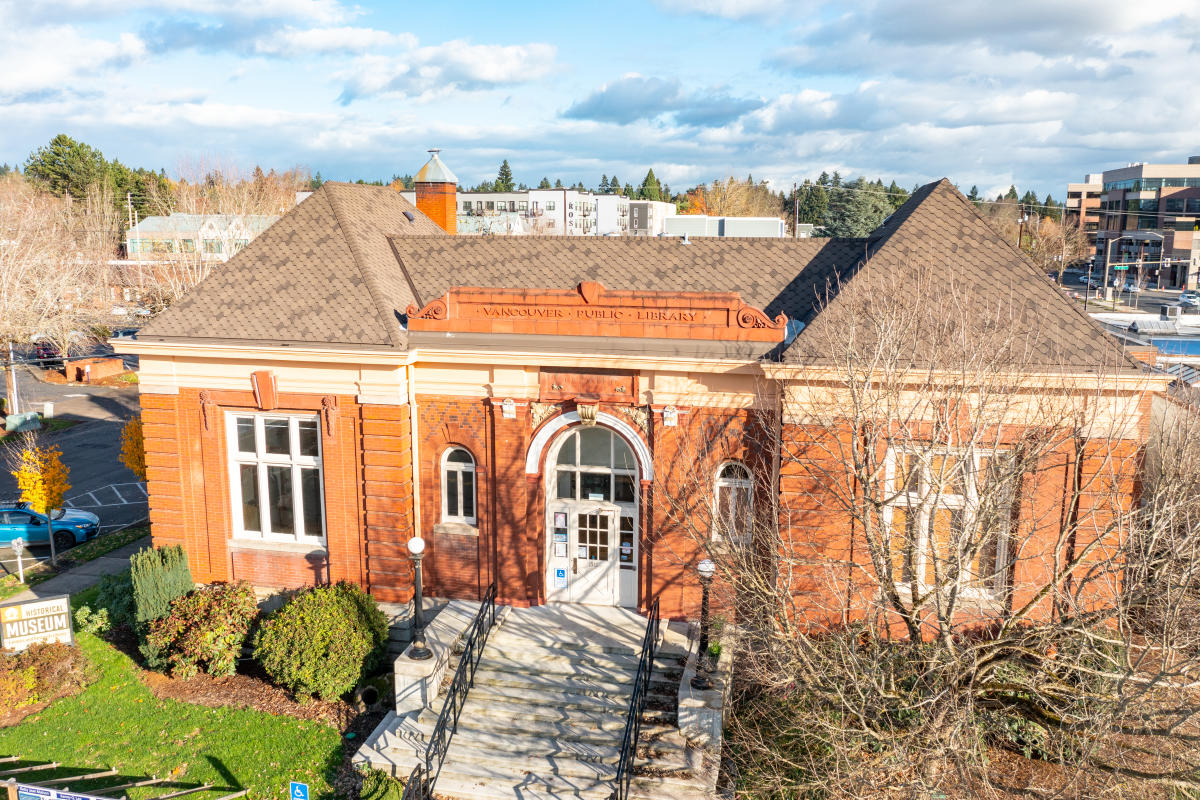
The Clark County Historical Museum offers a strong starting point for understanding how the region grew from Indigenous homelands into a working river community. Its exhibits cover pioneer life, local industry, and wartime changes that shaped Vancouver and its neighbors. Check current hours and admission before you go, since local museums often adjust their schedules.
What Does the Museum Cover?
The museum traces local history from early Indigenous communities through the arrival of settlers, the growth of farms and mills, and the wartime era. Exhibits highlight how the region’s economy and population changed over time. Expect a broad overview rather than a deep dive into any single topic.
Begin with the earliest displays, since they set the context for everything that follows. Chinookan-speaking communities lived along the lower Columbia for many generations before European explorers arrived. Give those early exhibits extra time, because they shape how you read the rest of the museum.
Many regional museums explain national events through local stories, and that approach works well here. Keep an eye out for those connections as you walk through.
How Did Settlement and Industry Shape the County?
Pioneer settlement in the nineteenth century brought farms, mills, and river commerce to the area. Industries such as timber and shipping grew along the Columbia and nearby waterways. Local exhibits show how these changes affected families, workers, and the towns that formed around them.
Wartime shipbuilding is a story many visitors don’t expect. During World War II, Vancouver’s shipyards built vessels at a fast pace, bringing new jobs and many newcomers to the city.
Which Exhibits Deserve the Most Time?
Focus on objects that connect to daily life, such as tools, household items, photographs, and clothing. Those everyday pieces often explain more than large displays do. Ask staff which rotating exhibits are on view, since temporary shows change throughout the year.
Photographs deserve a close look. They reveal street scenes, work crews, and family gatherings that are hard to imagine from a written history alone. Read the captions, since they often name places and dates that help you follow the timeline.
If you enjoy hands-on learning, ask docents about the objects they know best. Volunteers often have favorite stories behind particular items, and most enjoy sharing them with curious guests.
Is the Museum Worth a Visit With Children?
Yes, many families find the museum engaging, especially children who enjoy old tools and household objects. Many displays rely on reading, so younger kids may need guidance. Plan a short, focused visit and let them choose one or two items to explore in depth.
Some older buildings present access challenges, so check ahead about elevators, restrooms, and stairs between galleries. Staff can point you to the most accessible route.
What Nearby Sites Complement the Museum?
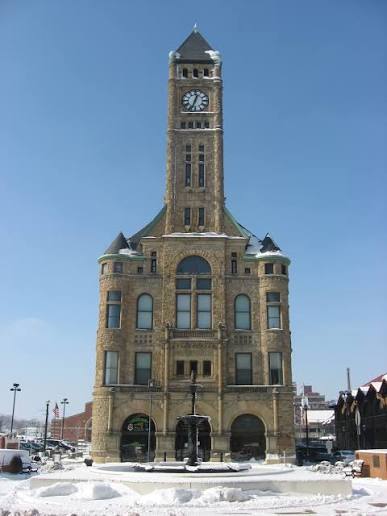 Downtown Vancouver offers several historic sites within a short walk or drive of the museum. Esther Short Park, one of the oldest public parks in Washington, is a pleasant place to pause. Plan your route so you can see the museum first, then explore the nearby streets.
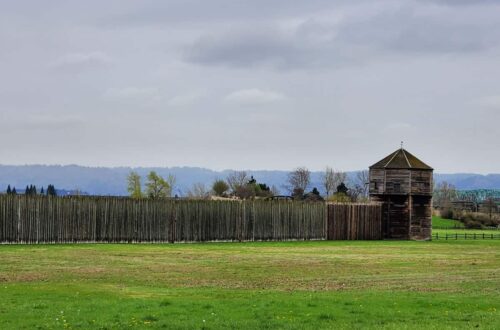
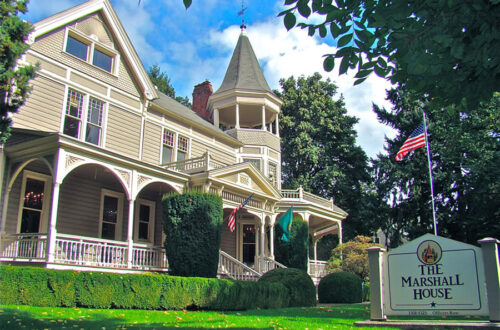
Fort Vancouver National Historic Site tells the fur trade story that preceded the city’s growth, making it a natural follow-up to the museum. Officers Row, the historic army homes at Vancouver Barracks, adds another layer of local history.
Check which sites are open on the day you visit, since some historic properties keep limited seasonal hours.
How Can You Plan a Useful Visit?
Start by checking current hours, admission, and any special events on the museum’s official information page or by phone. Arrive with a rough plan of which galleries matter most to you. Allow about one to two hours for a focused visit, longer if you love local history.
Bring a notebook if you want to record names or dates you find interesting. Photography rules vary, so ask before you take pictures in galleries. Wear comfortable shoes, since you will likely do more walking than you expect.
Frequently Asked Questions
Is the museum only for local history fans?
Not at all. The museum suits anyone curious about how places change over time, including visitors new to the region. Newcomers often find the big-picture overview helpful, while longtime residents enjoy recognizing familiar names and places. Even a short visit can add useful context to a trip around Vancouver.
How much time should I set aside for a visit?
Plan one to two hours for a focused visit. Longer visits make sense if you want to read every panel or join a scheduled talk, if there is one. If you’re short on time, pick two or three galleries that match your interests and skip the rest.
Can I combine the museum with other nearby stops?
Yes, downtown Vancouver and Fort Vancouver make a practical pairing. Start at the museum for regional context, then visit the historic sites to see the places in person. Group stops by area to save driving time, and check each site’s hours before you set out.