
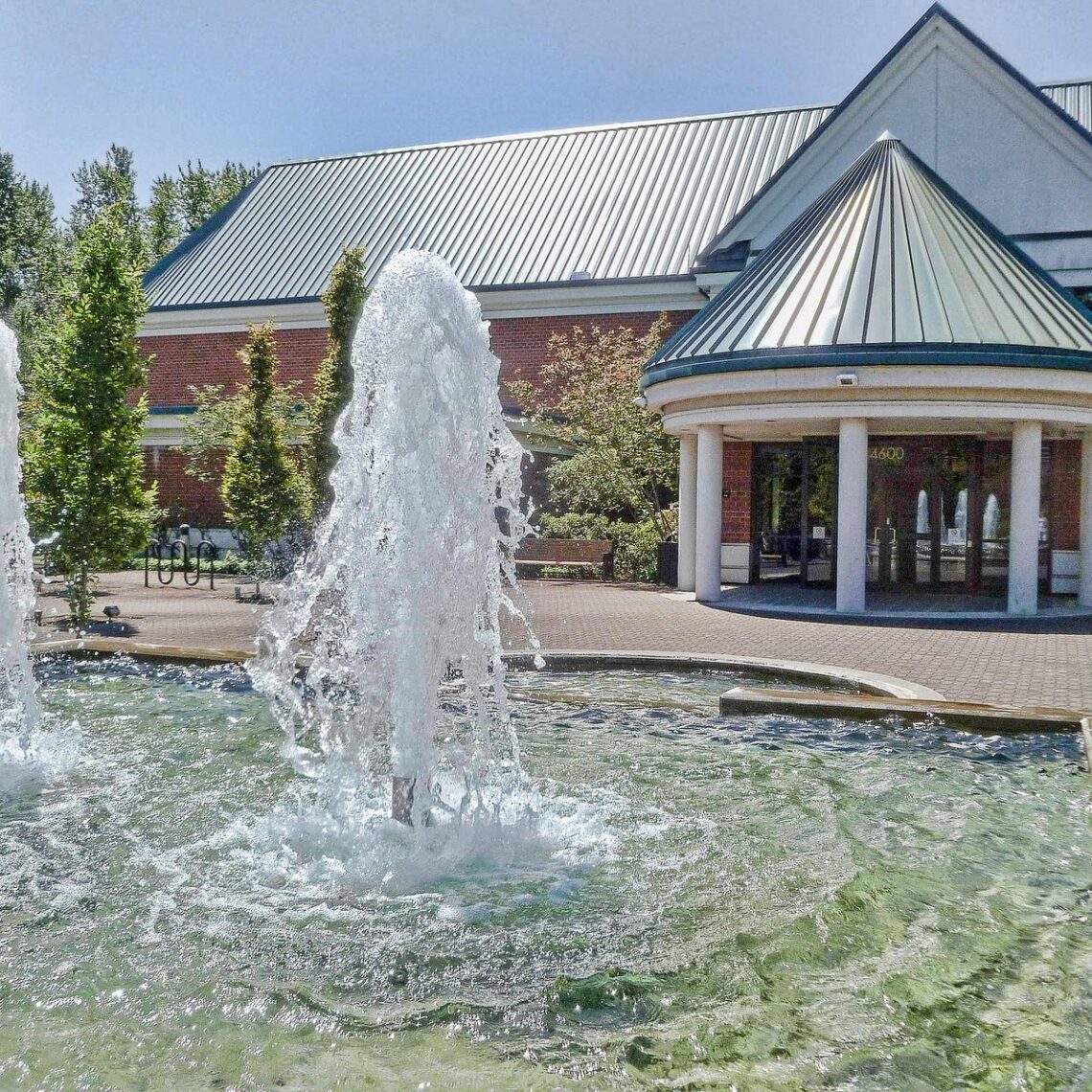
Marine Park sits along the Columbia River waterfront in Vancouver, Washington, and it pairs well with the Water Resources Education Center. Together they make an easy stop for families, students and anyone curious about local water systems. Plan a half day, check the center’s current hours and bring a light layer for river breezes.
What Is Marine Park Known For?
 Marine Park is a waterfront green space on the Columbia River, offering lawns, paths and views of river traffic. It works well for picnics, relaxed strolls and simple family outings. The riverside location gives visitors a close look at the Columbia’s size and steady movement.
Many people visit to watch boats and barges travel the river. The Columbia carries large amounts of freight, so ships are a regular sight. Bring binoculars if you want a closer look at birds on the water.
Early mornings often bring calmer water and clearer views of passing boats. Weekend afternoons can feel busier, so plan for a relaxed pace and room to share the space.
What Can You Learn at the Water Resources Education Center?
The Water Resources Education Center is a public learning space focused on water, watersheds and how people use and protect local supplies. Its exhibits and programs are geared toward students and families. Check current exhibit listings and program schedules before you plan a visit.
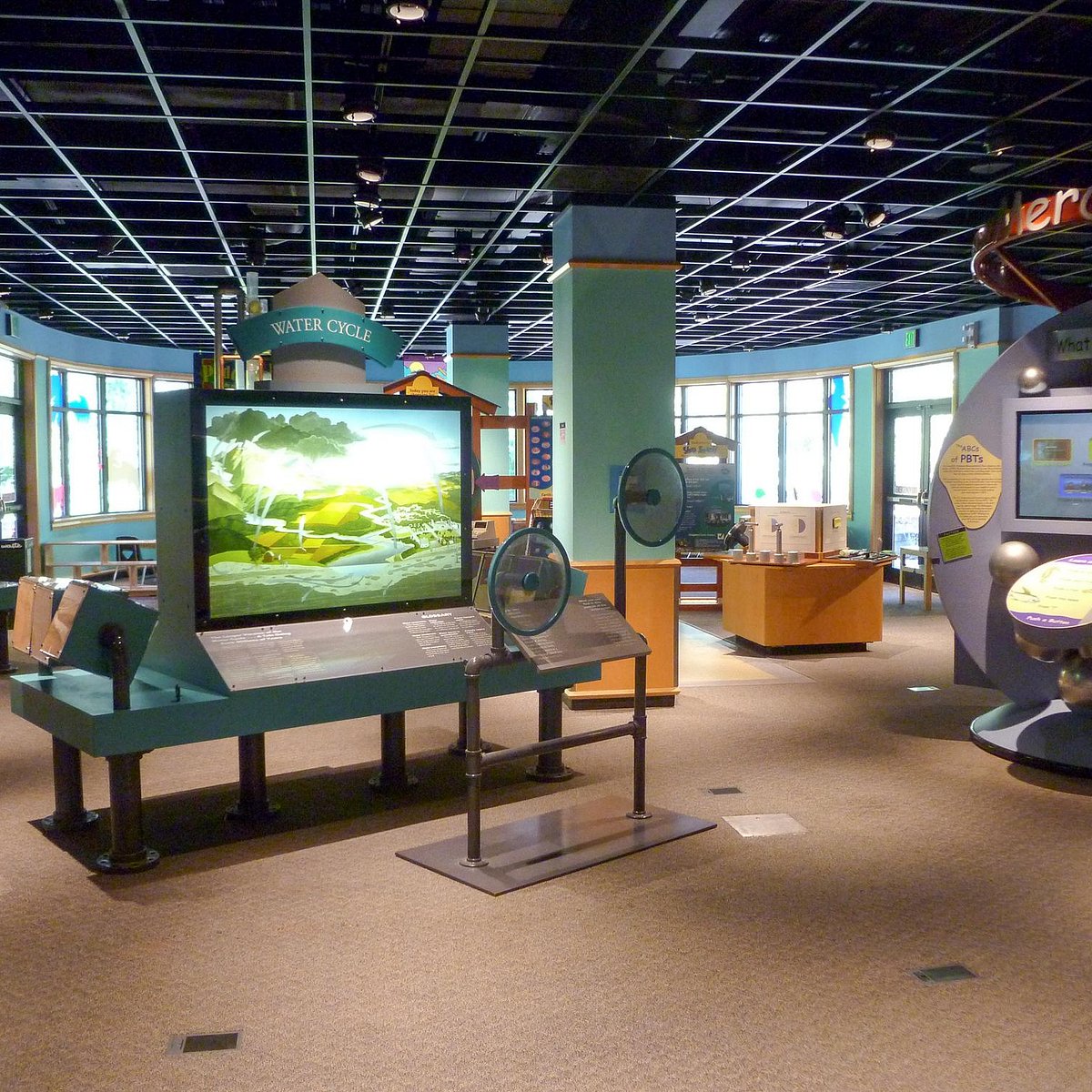
Hands-on displays help explain how rain moves through streams and eventually reaches the river. Visitors often leave with a clearer view of stormwater and conservation. Ask staff about school programs or community events if you’re visiting with a group.
Many families find that hands-on exhibits hold children’s attention longer than a typical park walk. Bring a small notebook so kids can record one new fact from each display.
How Long Should You Plan to Stay?
Plan one to two hours if you focus on the center, then add time for a waterfront walk. A combined visit with a picnic can fill a half day. Families with young children should allow extra breaks for snacks and restroom stops.
Read the center’s current information before you go, since exhibit areas and programs can change through the year. Weekday visits often feel calmer than weekend trips.
Where Should You Park and Is the Area Accessible?
 Parking near the waterfront is typically available in lots and on nearby streets, though spaces can fill on sunny weekends. Arrive early to find a spot close to the entrance. Paths along the water are generally paved, which helps wheelchair users and families with strollers.
Check posted signs for time limits and permit zones. Accessible parking spaces should be marked near building entrances. Ask staff for the most direct route to the center if you need step-free access.
Give yourself a few extra minutes to read posted signs and find the entrance without rushing. Arriving calm makes the visit more enjoyable for everyone in the group.
When Is the Best Time to Visit the Waterfront?
Late spring through early fall offers the most pleasant weather for waterfront time. Weekday mornings tend to be quieter, especially for visitors who want to take their time inside. Winter visits can still work for a short trip, but bring rain gear.
River breezes can feel chilly even in summer, so pack a light jacket. Pair your visit with another stop along the Columbia shoreline. Notice how the river’s water level changes from season to season.
The river’s flow shapes how the waterfront looks and feels, from high spring currents to calmer late-summer shorelines. A short visit can help you appreciate those changes.
Frequently Asked Questions
Is there a cost to visit the Water Resources Education Center?
Admission and program fees can change over time, so confirm current details before you visit. Some educational programs may require registration in advance. The official center information page or a quick call to county staff will give you the latest answer.
Can I bring a picnic to Marine Park?
Picnics are generally welcome in Marine Park, but check for posted restrictions on grills, alcohol and large gatherings. Pack out all trash, use bins where provided, and keep food sealed to discourage gulls. Bring a blanket and sunscreen for open lawn areas, since shade can be limited.
Is Marine Park good for birdwatching?
The waterfront can be a good spot to see gulls, waterbirds and passing boats. Early mornings and calm days usually offer the best views. Bring binoculars and a field guide, and stay on paths so you don’t disturb nesting areas or wildlife along the shore.