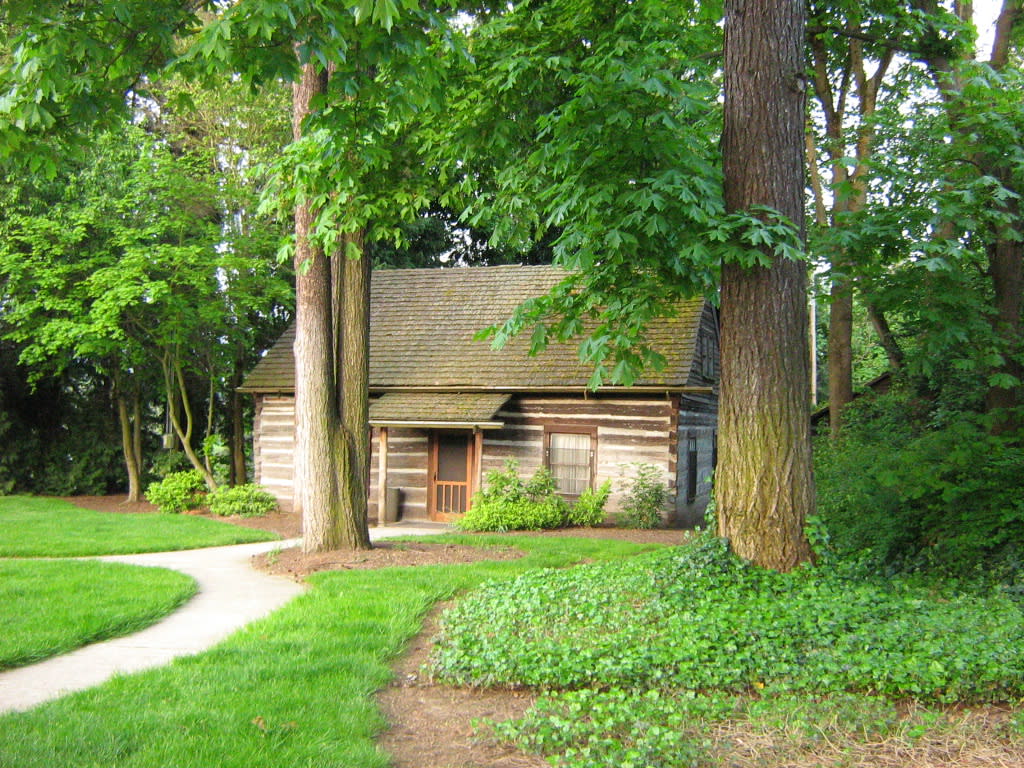
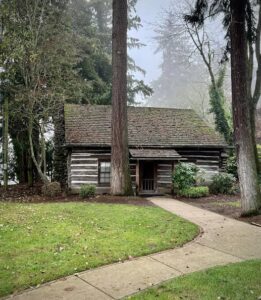
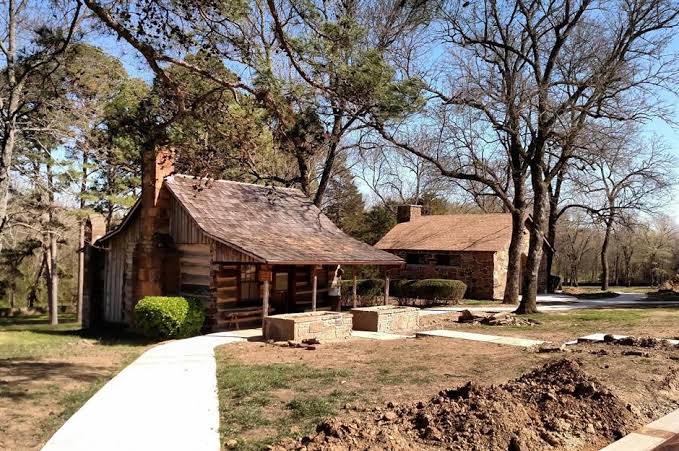
Covington House is often described as one of the oldest surviving log homes in the Pacific Northwest, a rare link to the region’s pioneer era. Its simple construction shows how early settlers used local timber to build shelter. Verify current public access and visiting details before you go, since historic houses may open only on certain days.
 Why Are Log Homes Significant to Pioneer History?
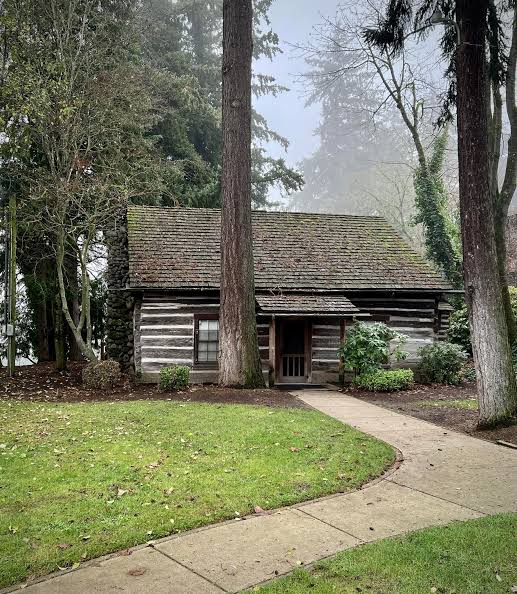
Log homes were among the most practical shelters for early settlers in the region. Builders could fell trees and shape logs with simple hand tools, so construction often needed little cash or specialized labor. Surviving examples help historians understand how families lived, cooked, and kept warm during the 1800s.
A house like this shows what people valued: shelter, warmth, and room for the family. Few original structures survive from this era, so each one matters. Preservation work protects the logs, roof, and interior from weather and time.
What Does the Building Look Like Inside?
Historic log interiors are typically compact, with exposed walls, a fireplace, and simple furnishings. Interior access can vary from one site to another, so confirm what is open before you plan a visit. Look closely at the notches where logs meet at the corners, since they show the builder’s craft.
Start at the entrance and let your eyes adjust to the light. Notice the thickness of the walls, the placement of windows, and how the room was divided. Small details reveal a lot about how families lived with limited space. Notice how light enters through the windows, and imagine the room by lamplight at night.
How Should You Plan a Visit?
Call ahead or check with the organization that manages the house, since historic properties often keep limited schedules. Ask whether guided tours are offered, and whether restrooms are available nearby. Confirm parking rules, which can vary on residential streets. Plan around the weather, since some visits include outdoor areas.
Bring a camera and a notebook, since many historic sites allow photography and note-taking. Wear sturdy shoes for uneven ground around older structures. Pack water and a light jacket for changing Pacific Northwest weather.
Can You Access the House Easily?
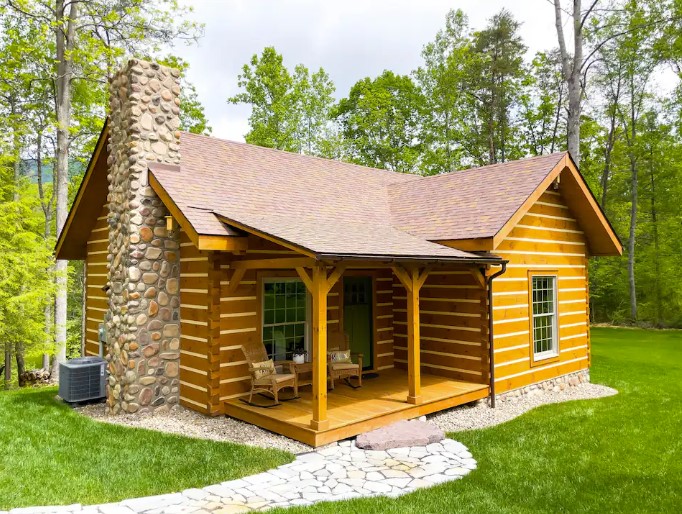 Historic log houses often have steps, narrow doorways, and uneven floors, which can limit access for some visitors. Ask about ramps, interior viewing options, and whether staff can describe the layout in advance. Many visitors find that a guided description or photos help them understand the interior.
Grounds around historic structures can be uneven, so plan a route that avoids soft or steep paths. Parking may be on the street, which means curb cuts and sidewalk conditions matter. Let the site know ahead of time if you need assistance.
What Else Can You See in the Area?
Covington House pairs well with other pioneer-era and military history sites in Clark County. Fort Vancouver National Historic Site covers the fur trade era that shaped early settlement. Plan extra time to see both, since the contrast between a single family home and a large trading post is memorable.
The Clark County Historical Museum can help place homes like this in a broader timeline. Visit it before or after your house tour for added context. Check its current hours, as local schedules change through the year.
How Can You Make the Most of Your Visit?
Pair your visit with a few quiet minutes outside the house, since the setting helps explain its purpose. Take notes about what surprised you, then compare them with the museum’s exhibits. Ask questions of any staff or volunteers on site, who often know the house’s history best.
Visit on a weekday if you prefer quiet rooms and more room to move. Respect any posted rules about touching, sitting, or entering restricted areas. Small house tours reward slow walking and close looking, so give yourself time.
Frequently Asked Questions
Is Covington House really one of the oldest log homes in the region?
It is commonly described that way by local history sources, but rankings of old buildings can depend on how a site defines age and original construction. Ask the museum or a local historical society for the documented build date before you cite it in your own writing.
Can I go inside the house during a visit?
Interior access depends on current site management, staffing, and conservation needs. Some historic houses allow short tours on set days, while others offer exterior viewing only. Check with the managing organization in advance so you know what to expect before you travel.
What should I bring to see a historic log house?
Bring a camera, a notebook, water, and comfortable shoes. A light jacket helps, since Pacific Northwest weather can change quickly. If you have mobility needs, bring a folding seat or ask about accessible routes before you arrive. Keep a small bag light so you can move easily through narrow spaces.