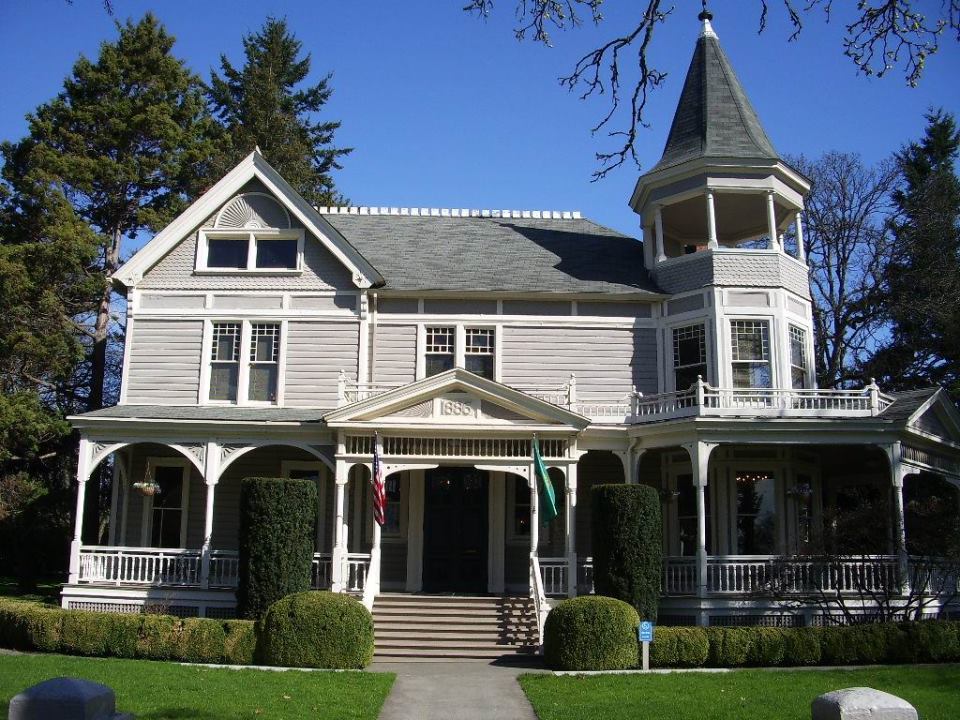
Marshall House and Grant House are two of the best-known homes on Officers Row in Vancouver, Washington. One links the army’s early presence to Ulysses S. Grant, and the other to George C. Marshall, a major figure in twentieth-century American history. Check current access before you visit, since public hours can change.
Who Lived in These Houses?
Ulysses S. Grant served at Vancouver Barracks in the early 1850s, before he became a Civil War general and later the eighteenth president. George C. Marshall spent time at Vancouver Barracks early in his army career, and he later served as Army Chief of Staff during World War II.
Visitors sometimes assume these men lived here as famous figures. In reality, they arrived as young officers with ordinary duties, and their later careers made the houses memorable. Read the interpretive material to see how each man’s service fits the post’s story.
What Is Grant House Known For?
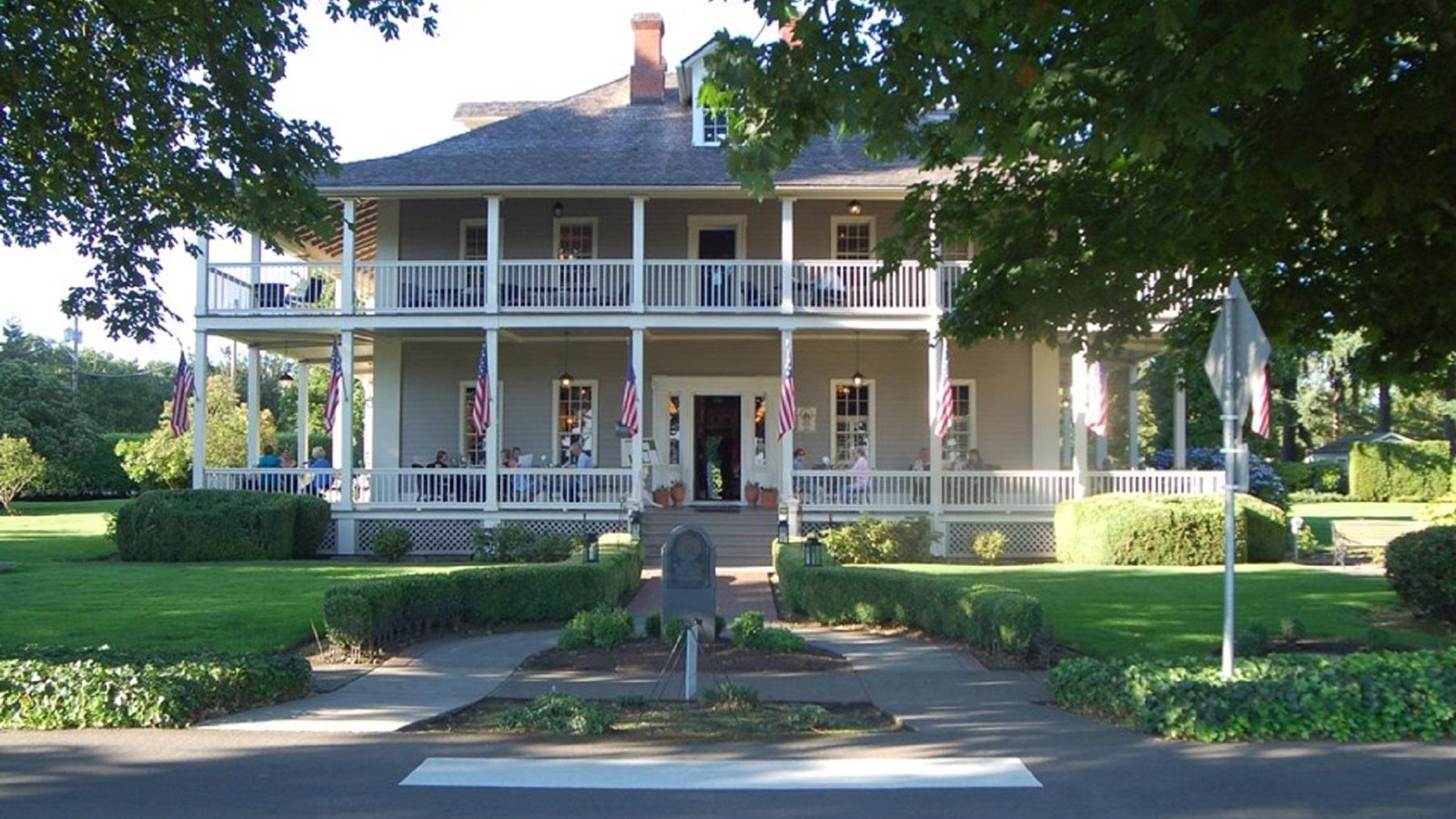
Grant House is among the oldest surviving structures tied to the Vancouver Barracks story, dating to around 1850. Its name honors Ulysses S. Grant, who served at the post during a formative period of his career. The house offers a glimpse into the lives of officers and families on the frontier.
Look for how the building reflects early military housing, including its scale, layout, and materials. Compare it with the later houses on the row, which show newer architectural styles. Those differences tell a story about how the post changed over time.
What Is Marshall House Known For?
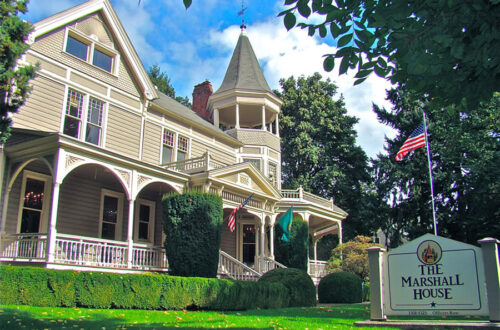
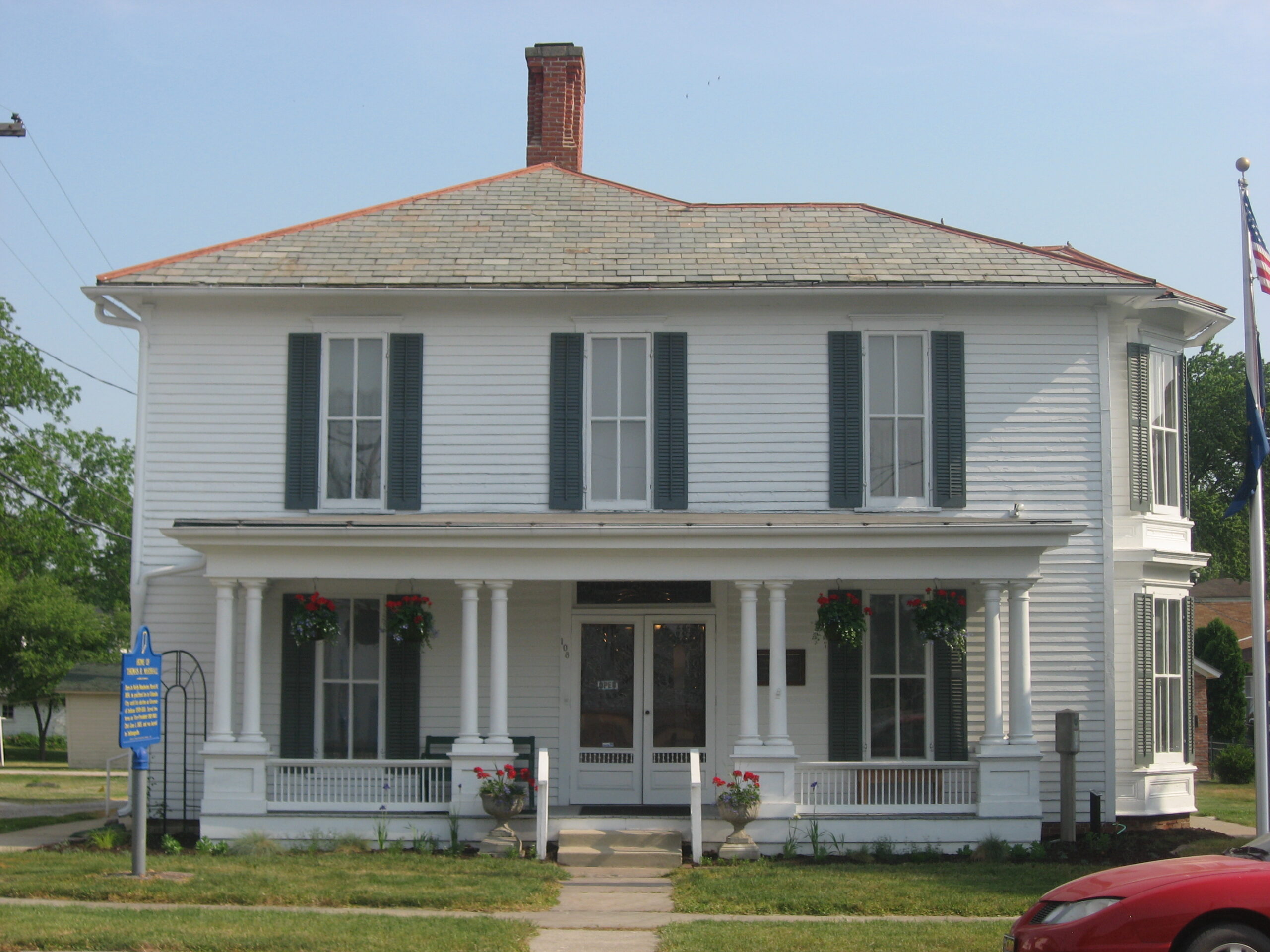
Marshall House, built in 1886, is named for George C. Marshall, who later became a central figure in American military and diplomatic history. The house stands as a reminder of the officers who served here before and after him. Its later use and interpretation help visitors understand the post’s long timeline.
Marshall’s later career included serving as Army Chief of Staff during World War II and serving as Secretary of State, where he launched the European Recovery Program known as the Marshall Plan. Those accomplishments shaped the postwar world. Visitors can connect the house to those larger events.
Can Visitors Go Inside Either House?
Access to both houses depends on current management, staffing, and preservation needs. Some historic homes open for scheduled tours or exhibits, while others remain closed to the public. Check with the managing organization in advance before you plan a visit inside.
Exterior viewing is usually possible, since both homes can typically be seen from public walkways. Stay on public paths and respect privacy at neighboring residences. Photos from the street are a good way to capture architectural details. Ask about public events that sometimes open the grounds for special programs.
How Do the Two Houses Compare?
Grant House is older and reflects an earlier phase of frontier army life, while Marshall House dates to the late nineteenth century. Both show how officers’ housing changed with the post’s needs. Comparing them side by side gives a clearer sense of the changes across decades.
Notice differences in scale, roof lines, and window placement. Earlier structures often feel simpler, while later homes show more decorative detail. These contrasts make a walk along the row feel like a timeline. Think of the row as a set of stories rather than a single lesson.
What Should You Remember Before Your Visit?
Plan a short walk that includes both houses, and allow about thirty minutes to see them from the outside. Check hours for any interior tours before you leave home. Bring water and comfortable shoes, since the sidewalks and grounds involve some walking.
Visit the nearby Fort Vancouver site to see how the army post grew beside the fur trade fort. Combine both stops for a richer understanding of local history. Respect posted signs and keep noise low near the homes. Give yourself a moment to read each sign before moving on.
Frequently Asked Questions
Who was Ulysses S. Grant?
Ulysses S. Grant was a Union general during the Civil War who later served as the eighteenth president of the United States. Before those roles, he was an army officer stationed in the Pacific Northwest in the early 1850s. Grant House connects visitors to that early chapter of his career, a chapter many visitors do not expect.
Who was George C. Marshall?
George C. Marshall was a U.S. Army officer who served as Army Chief of Staff during World War II. He later became Secretary of State and led the postwar European Recovery Program, known as the Marshall Plan. He received the Nobel Peace Prize in 1953 for his efforts.
Is it worth visiting both houses in one trip?
Yes, if your time allows. The houses sit close together on the same street, so a single walk covers both. Many visitors find that seeing them back to back helps them compare architecture and history. Plan extra time for reading signs, taking photos, and walking the nearby grounds.