Downtown Vancouver offers an easy walking tour that links parks, historic storefronts, and a restored theater in one relaxed route. Start at Esther Short Park, then follow Main Street and nearby streets at your own pace. Plan about an hour, plus time for stops, and check opening hours for any building you want to enter.
Where Should You Start the Tour?
Start at Esther Short Park, which is widely described as the oldest public park in Washington state. The park’s central location makes it a natural meeting point for the rest of the route. Look for any historic markers or plaques near the paths, and read them before moving on.
The park dates to the mid-1800s, which makes it a good first stop for understanding how the city grew. Early settlers and merchants helped shape the blocks around it. Take a few minutes to sit, look around, and picture the town as it was. Look up at upper floors, too, because older details often sit above street level.
Which Historic Buildings Line Main Street?
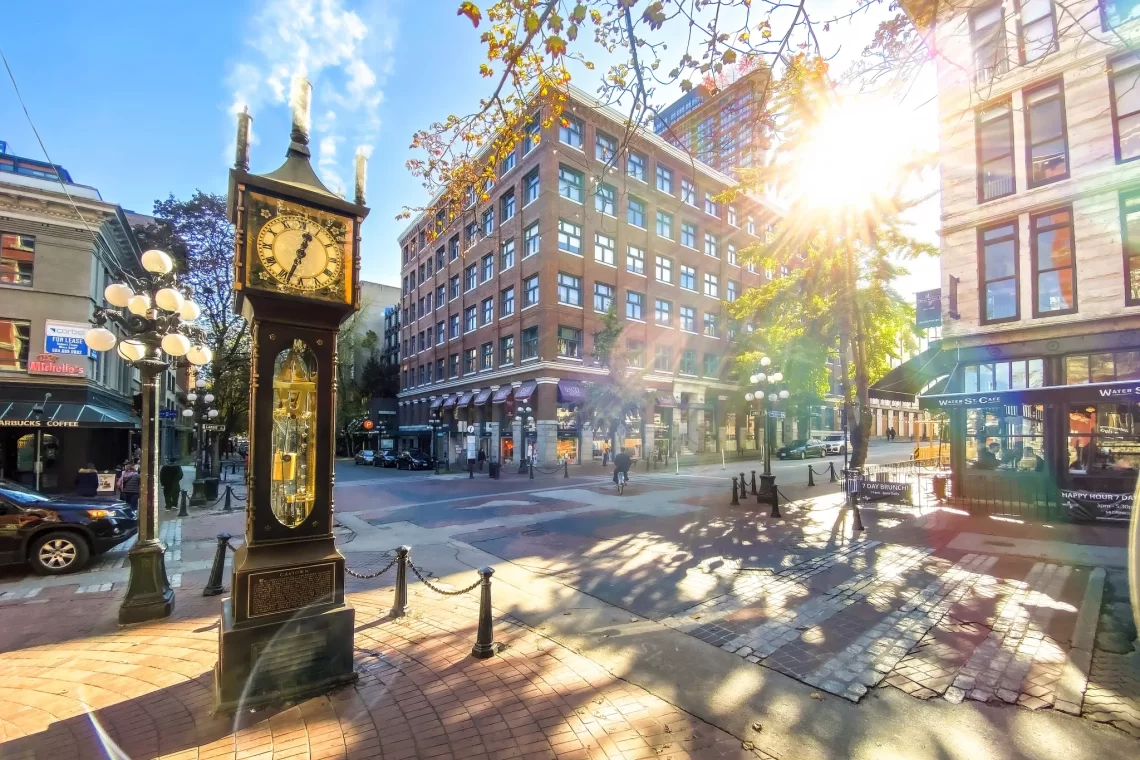
Main Street holds a mix of older commercial buildings and newer storefronts, showing how the downtown changed across generations. Look for upper-floor windows, decorative trim, and rooflines that reveal earlier building styles. A slow pace lets you spot details that drivers miss.
The Kiggins Theatre is one of the most recognizable landmarks downtown. It opened in 1936 and has since been restored as a community venue. Check its schedule before you go, since shows and tours vary. Admire the front of the building from the sidewalk even if you don’t plan a show.
What Else Stands Out Along the Route?
Along the route you will see a range of civic and community buildings, along with older homes and newer shops. Local museums add context, and the Clark County Historical Museum is a short detour from the main street. Choose a few stops that match your interests rather than trying to see everything.
Downtown Vancouver also includes shops, cafes, and small businesses that give the area its everyday character. Ask staff at the museum or local shops for their favorite spots. Locals often know which corners hold the best stories.
How Long Does the Walk Take?
A relaxed self-guided walk usually takes about an hour without indoor stops, and longer with museum visits or a theater tour. Plan for comfortable shoes and extra time for photos. Measure your pace by stops rather than distance, since routes can be adjusted.
Set your own schedule and sit when you need to. Downtown sidewalks are mostly level, though older buildings can have steps or narrow entries. Check conditions after rain, when some surfaces get slick. Carry a bottle of water, since the route has no fixed rest stops.
What Should You Bring and Know?
Bring water, a map or offline route, and a light layer for changing Pacific Northwest weather. Parking includes lots and street spaces, but time limits often apply. Check signs carefully, since rules can change between blocks. Allow extra time if you need curb ramps or elevators, and check ahead.
Restrooms and cafes vary by building, so plan a stop before you start the walk. Please respect local businesses by keeping noise down and keeping doorways clear. Dress for the forecast and carry a small umbrella if rain is likely.
How Can You Turn the Walk Into a Full Outing?
Pair the walk with a visit to the waterfront or a nearby historic site to extend your day. Stop at the Vancouver Land Bridge if you want to see how the city reconnected to the river. Plan lunch or coffee breaks along the route, since that gives your feet a rest and adds local flavor.
Finish where it suits your plans: the waterfront, a park bench, or the route back to your car. Share what you learned with a friend, and consider returning in another season to notice how the streets change.
Frequently Asked Questions
Is the walking tour suitable for kids?
Yes, many families find the route manageable with a few breaks. Short stops at the park and along Main Street keep younger walkers engaged. Bring snacks and water, and let children pick one landmark to explore in detail. Plan on a relaxed pace.
Is the walk accessible for wheelchairs and strollers?
Downtown sidewalks are mostly level, which helps. Older buildings may have steps, narrow entries, or uneven thresholds, so check the entrance before going inside. Curb cuts and elevator access vary, so plan your route in advance using current city information. Plan extra time.
Is there a cost for the self-guided walk?
Walking the public sidewalks and visiting parks is generally free. Some indoor attractions, shows, or guided programs may charge admission. Check each site before you go, since prices and free days can change. Plan a small budget for coffee or lunch if you stop along the way.