Columbia Springs is a nature site and environmental learning center in east Vancouver, Washington. Spring water feeds wetlands, woodlands and trails that suit quiet walks and hands-on learning. Plan a visit with comfortable shoes, check current hours and ask about programs before you go.
What Is Columbia Springs?
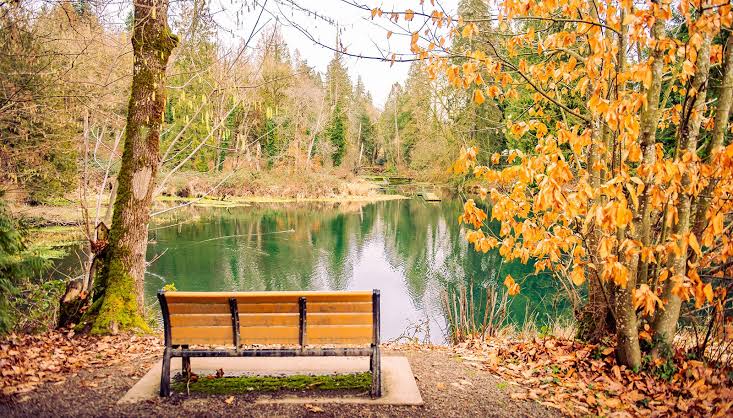
Columbia Springs is an environmental education site built around natural springs, wetlands and woodland habitat. Its trails and programs help visitors learn about local ecosystems and water. The site works well for families, students and anyone who wants a calmer outdoor experience close to the city.
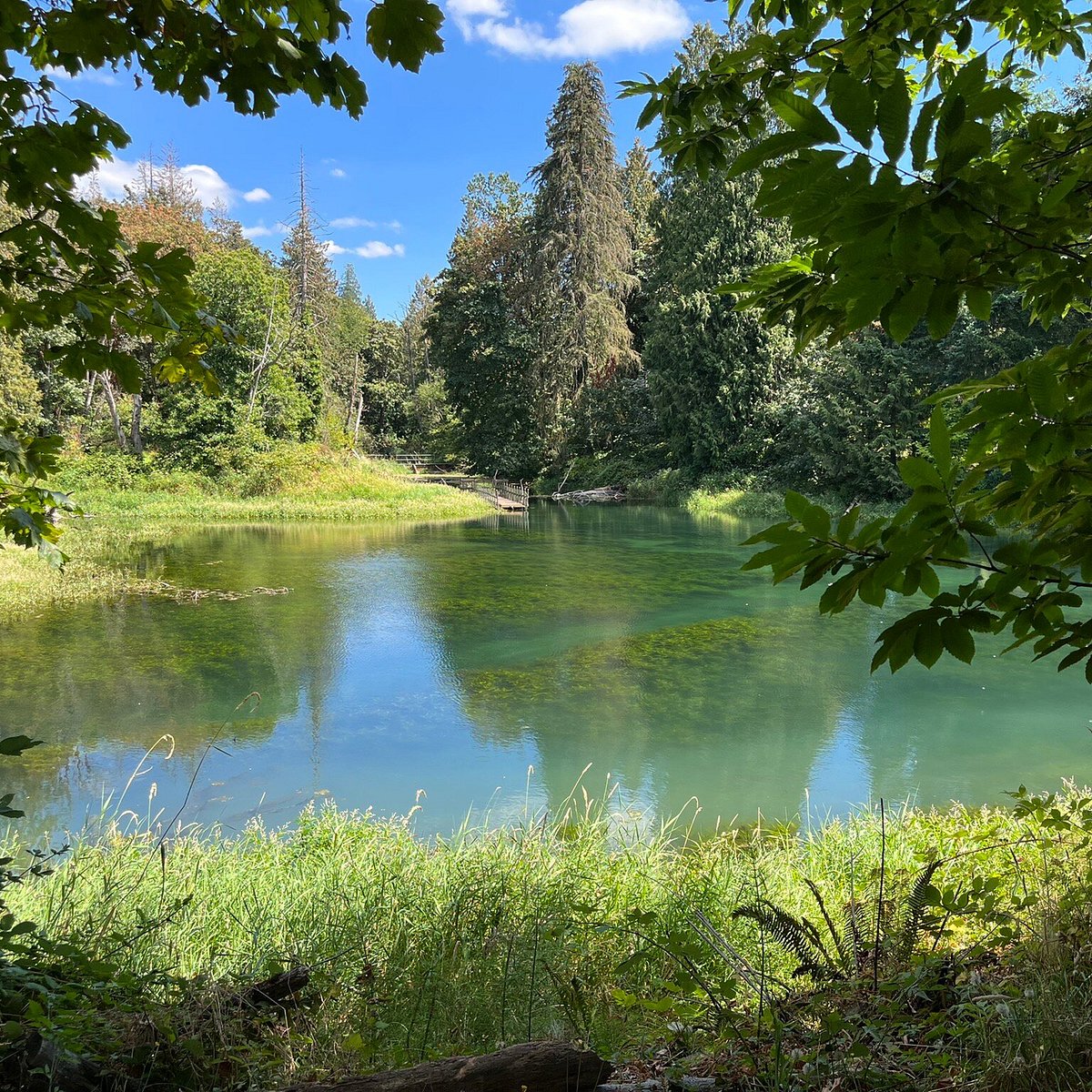
The springs are the heart of the property. Water seeps from the ground and supports plants and animals that depend on damp conditions. Stay on marked trails, since wetland soils can be fragile and easy to damage.
Springs can make paths slick, so take your time on sloped or muddy sections. Good footing protects you and the plants that depend on the site’s delicate ground.
What Trails and Habitats Can You Explore?
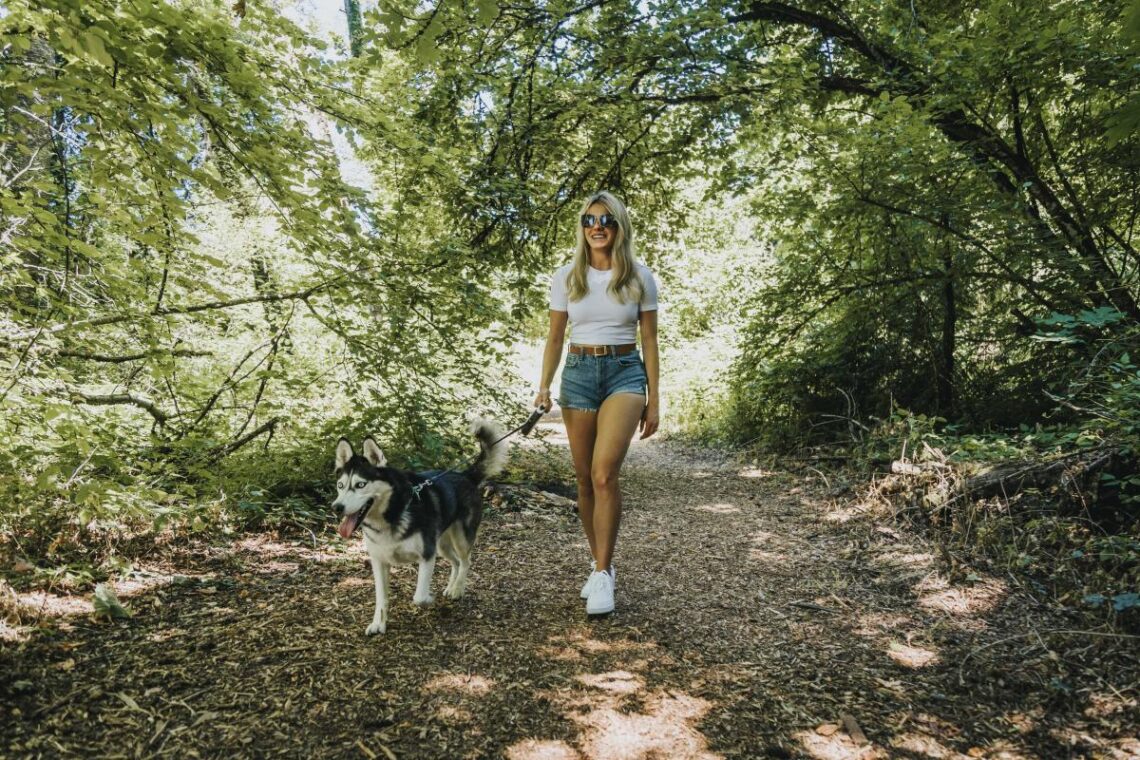
The site offers trails that pass through wetland edges, shaded woods and open areas. Conditions change with the weather, so expect muddy spots after rain. Look for birds, amphibians and plants that thrive in damp, shaded habitats.
Interpretive signs and staff can help you identify what you see. Pack a field guide or a plant identification app. Keep voices low, since quiet visitors often notice more wildlife.
Stop every few minutes and simply listen. Many sounds, from birdcalls to rustling leaves, are easy to miss when you’re talking or walking fast.
What Should You Bring for a Visit?
 Bring water, bug spray, a hat and waterproof shoes or boots. Trails can be wet and uneven, so grippy footwear matters. A small notebook or phone camera helps if you want to record the species you spot.
Pack a snack and a trash bag. Leave natural objects such as rocks, plants and shells where they are. Dogs may not be permitted in every area, so check before you bring a pet.
If you plan a longer visit, pack a snack and eat in an open area away from the main trail. That habit keeps food away from wildlife and keeps the trail clear for others.
Is Columbia Springs Accessible and Where Can You Park?
Parking details depend on the site’s current arrangements, so check the latest information before you go. Arrive early on busy days for the best chance at a spot near the entrance. Some trails are unpaved, so visitors with mobility needs should ask staff about the most accessible routes.
Wheelchair and stroller users may find unpaved sections harder to navigate. Ask whether the education center has accessible restrooms and indoor space before your visit. Plan rest stops if you’re traveling with older adults or young children.
If you’re leading a group, pick a meeting point near the entrance so everyone can regroup without confusion.
When Is the Best Time to Visit?
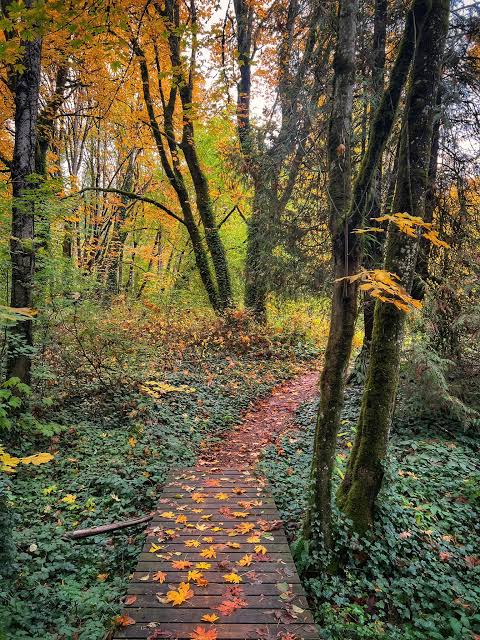 Spring brings active wildlife, fresh growth and pleasant walking weather. Early fall offers mild temperatures and quieter trails. Summer mornings work well too, while winter visits suit prepared visitors who don’t mind wet conditions.
Program schedules change through the year, so check what’s running before you travel. Weekday visits are typically quieter. After your visit, you can explore other green spaces in east Vancouver.
Many visitors make a morning of it, arriving early to enjoy quieter trails and cooler air before the day warms up.
Frequently Asked Questions
Is Columbia Springs good for school groups?
Yes, the site is built around environmental education, which makes it a natural fit for school field trips. Teachers should contact the site in advance to confirm programs, group sizes and reservation rules. Plan for weather, restroom access and supervision. Structured programs often give students more than a casual walk.
Do I need to book in advance?
Some programs require reservations, while casual trail visits often do not. Requirements can change, so check the site’s current information before you go. If you’re bringing a group, contact the site ahead of time to confirm availability and any fees.
What should I do if I see wildlife?
Observe from a distance and avoid feeding or approaching animals. Use binoculars or a zoom lens instead of getting closer. If you find an injured animal, report it to site staff or a state wildlife agency rather than handling it yourself.