The Columbia River Renaissance Trail is a multiuse path along the Vancouver, Washington, waterfront that links parks, public art, and river views. It works well for walking, running, and biking at a relaxed pace. Plan your route, check trail conditions, and bring water before you set out.
What Is the Columbia River Renaissance Trail?
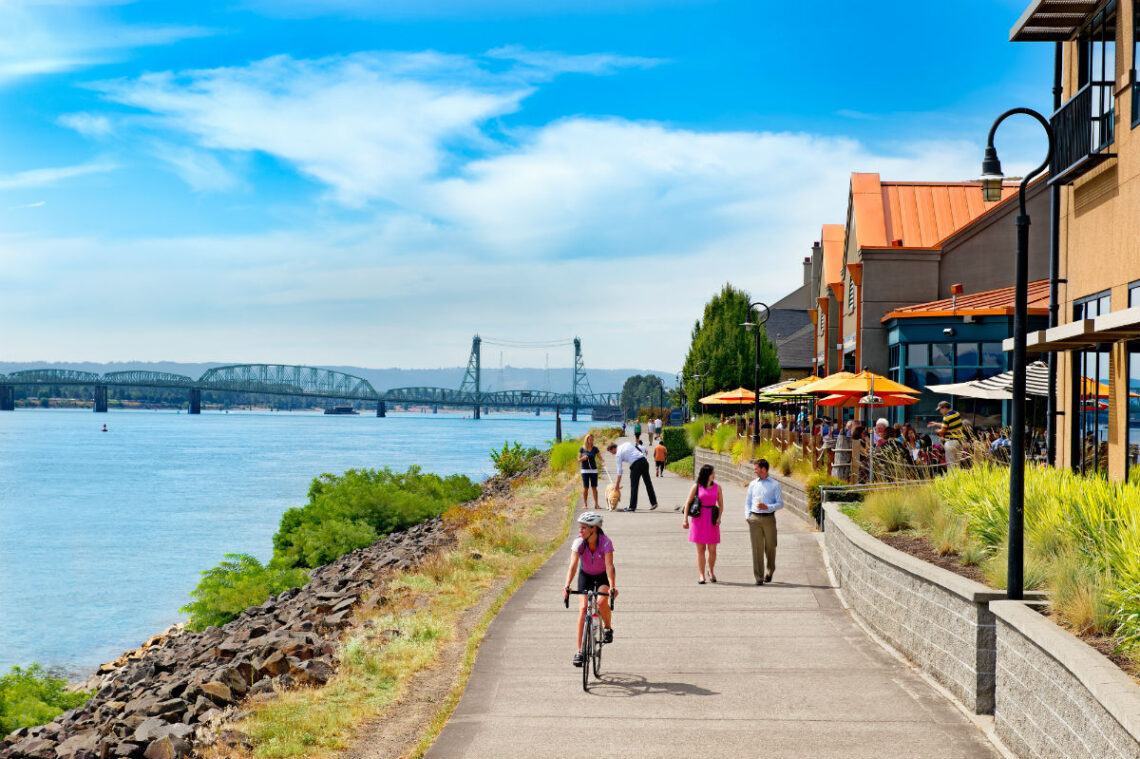
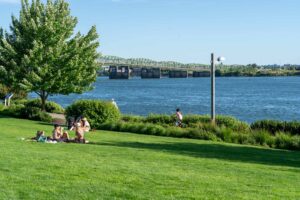 The Columbia River Renaissance Trail is a largely paved, multiuse path that runs along the Columbia River waterfront in Vancouver, Washington. It connects riverside parks, public spaces, and downtown areas. The trail is shared by walkers, joggers, cyclists, and people using wheelchairs or strollers.
Because the trail follows the river, it offers wide views of the water, bridges, and the Oregon shore on clear days. Sections may differ in width and surface, so expect some busier stretches near downtown. Check the city’s trail information for the most current map and route details.
Which Sections Work Best for Walking?
Walkers usually prefer the downtown and waterfront sections, where benches, parks, and views are close together. These stretches are easy to reach on foot and work well for a short outing. Quieter sections farther from downtown may suit longer walks, though you should check the map first.
Walking the full route takes time, so plan based on your energy and the weather. Pause at riverside spots for photos and rest. Wear supportive shoes, since surfaces can vary and some edges may be uneven. Carry water, especially on warm days.
What Should Cyclists Know Before Riding?
Cyclists should expect a mix of riders, walkers, runners, and dogs on shared paths. Slowing down near crowds and calling out before passing keeps everyone safer. Use a bell or a friendly voice, and keep right when you’re not passing. Check local rules about bike speed and equipment, since regulations can change.
Bring a bike lock if you plan to stop at parks or shops along the way. Carry a basic repair kit, and check your tire pressure before you ride. Weather on the river can change quickly, so pack a light layer even if the morning looks clear.
How Do You Access the Trail and Park Nearby?
Several access points connect the trail to downtown streets and parking areas. Parking varies by location, and some lots fill quickly on sunny days. Arriving early or walking from downtown lodging reduces stress and helps you avoid time limits. Read posted signs carefully.
If you bike, look for bike racks near parks and downtown. Trail signage helps you find connections to other routes, though you may need a map for longer rides. Check the city’s trail map before you set out, since routes and access points may change.
What Are the Best Times and Safety Tips?
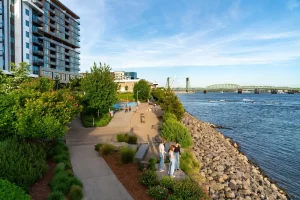 Early morning and late afternoon usually offer the calmest conditions on the trail. Spring and fall are comfortable seasons, while summer can bring heat and crowds. Winter is quieter, but wet and cold conditions can make surfaces slippery. Weekday mornings are often the quietest of all.
Carry water, sunscreen, and a phone with a charged battery. Tell someone your route if you plan a long ride, and stay aware of river edges. Lights and reflective gear help you stay visible after dark.
Frequently Asked Questions
How long is the Columbia River Renaissance Trail?
The trail’s total length and route details change as sections are built and connected, so check the city’s current trail map for accurate measurements. Many people choose a shorter section for a single outing. Plan your route before you go, since distance depends on where you start and finish.
Is the trail accessible for wheelchairs and strollers?
Much of the trail is paved and generally suitable for wheelchairs, strollers, and bikes. Surfaces and widths can vary in places, especially near busy downtown crossings. Check current accessibility information with the city before visiting, particularly if you need specific ramp or path details.
Can I bring a dog on the trail?
Many shared paths allow leashed dogs, but rules can vary by section and by season. Keep your dog on a short leash in crowded areas, and carry waste bags. Check the city’s posted rules before visiting, since parks and trail segments may have different requirements.